
Building a Sustainable Fitness Routine for Older Adults
As we age, maintaining a healthy and active lifestyle becomes crucial for overall well-being. Exercise is one of the best ways to improve not only physical health but also mental wellness. However, creating a sustainable fitness routine for older adults can pose unique challenges. The key lies in developing a program that is enjoyable, modifies activity levels suitably, and accommodates individual limitations while still promoting improvement. By focusing on the right activities, older adults can find satisfaction and motivation in their workout routines. It’s essential to identify interests, whether it’s group classes, solo activities, or even outdoor exercises. This personalization enhances adherence to the routine and fosters a sense of community. Frequent assessment of progress allows for adjustments that keep the program effective. Resistance training, flexibility exercises, aerobic workouts, and balance activities create a holistic routine. A comprehensive approach is beneficial in increasing strength, stability, and overall health over time. Providing support through family and friends offers an encouragement system while joining classes introduces opportunities for new connections and friendships, which are pivotal for long-term sustainability.
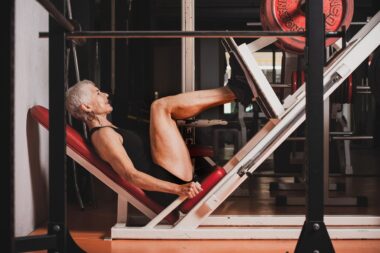
Engaging in regular physical activity significantly impacts health outcomes for older adults. The Centers for Disease Control and Prevention recommend incorporating both aerobic and muscle-strengthening exercises into weekly routines. These exercises can include walking briskly, swimming, cycling, lifting light weights, or even yoga. Importantly, older adults should start any new fitness program gradually, focusing on their comfort levels and physical abilities. Moreover, consultation with healthcare providers is crucial to ensure safety, especially for those with underlying health conditions. Balancing exercise with proper nutrition is essential in achieving desired results. Eating a wholesome diet with a focus on fruits, vegetables, lean protein, healthy fats, and whole grains can complement physical activity. Such a diet ensures that older adults have the necessary energy, stamina, and nutrients to support their fitness goals. Social interaction is another essential factor, as exercising with peers can boost motivation and enjoyment. Community centers often offer classes specifically for older adults, creating a welcoming environment. By establishing a routine that balances physical, nutritional, and social aspects, older adults are more likely to maintain their fitness regimen successfully over the long term.
When establishing a fitness routine, it is vital for older adults to set realistic and achievable goals. These goals may range from improving stamina and strength to enhancing flexibility and balance. Setting small, measurable milestones can provide motivation and a sense of accomplishment along the way. For instance, an objective might be to complete a 30-minute walk without pauses by the end of the month. Gradually increasing intensity and duration helps prevent injury and promotes sustainable improvement. Using tools such as fitness journals or smartphone apps can further enhance the tracking of these goals. Recording workouts helps in reflecting on one’s progress over time, which can be very encouraging. Additionally, older adults should consider incorporating rest days into their routines. Recovery is essential for muscle repair and overall wellness, especially after intense workouts. It’s essential to listen to the body’s signals and make adjustments when needed. Engaging in stretching or light activities on rest days can help maintain flexibility and mobility. A well-rounded approach that combines goal-setting, assessment, and rest days will contribute positively to the effectiveness and sustainability of fitness routines.
Adapting Fitness Routines to Individual Needs
Every individual has different experiences and physical abilities, making it vital to tailor fitness routines considering these factors. Older adults may have specific conditions that impact their mobility or strength, such as arthritis or osteoporosis. For these individuals, low-impact exercises such as water aerobics or seated strength training can be excellent alternatives. It’s also important to assess the preferences and dislikes of older adults when creating their exercise regimen. Some might prefer solitary activities, while others thrive in group settings. Personalizing fitness routines not only keeps participants engaged but also maximizes the effectiveness of their workouts. Involving family members or caregivers in the planning phase can provide additional support and motivation. They can help encourage consistency and accountability, which are crucial for sustaining long-term goals. Offering a range of activity types also allows for the selection of what feels comfortable. This flexible approach helps fortify a positive relationship with exercise while improving overall health outcomes. Those who feel supported and understood are more likely to persist in their fitness journey, ultimately achieving better results and well-being.
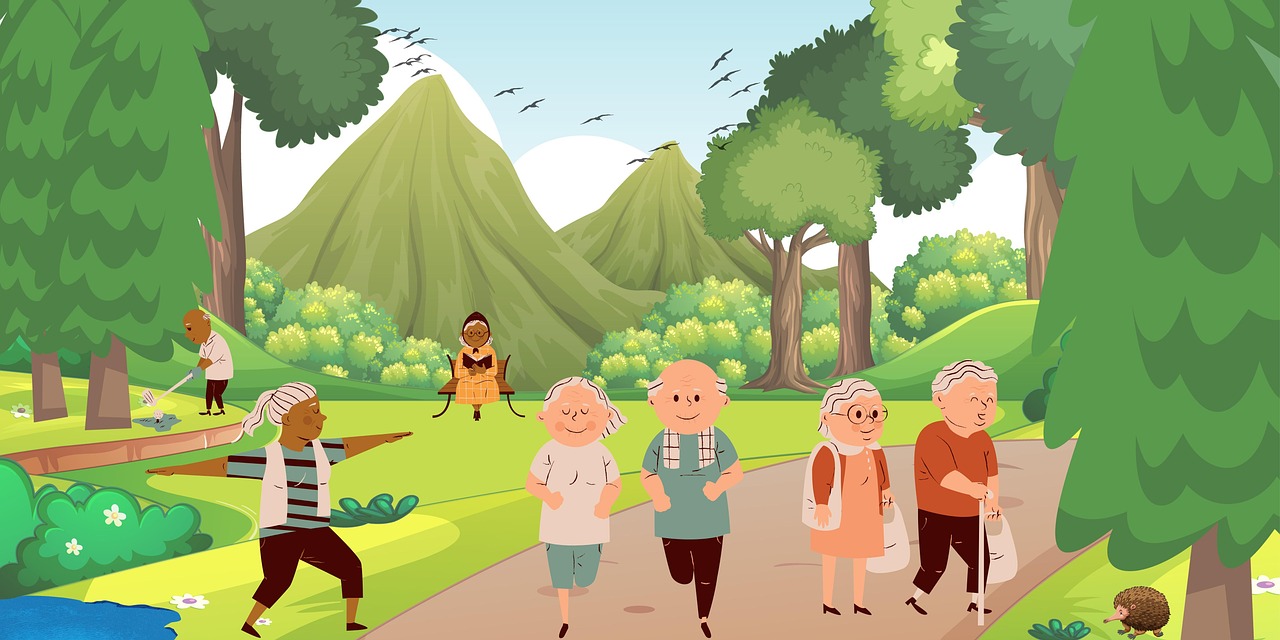
Older adults often overlook the importance of social interactions while exercising; however, it plays a significant role in adherence to fitness routines. Joining group classes or participating in community activities provides not just physical benefits but also emotional ones. The companionship enjoyed during these sessions can alleviate feelings of loneliness. Moreover, socializing while engaging in physical activities can enhance motivation, making workouts feel less strenuous and more enjoyable. Inviting friends to join can create a supportive environment that fosters camaraderie and accountability. Participating in community events, fitness challenges, or group walks can significantly encourage consistent practice. Additionally, peers can share valuable tips and experiences, enriching one’s fitness journey. Many organizations offer discounted classes specifically for older adults, providing opportunities for growth and connection. The added benefit of collective experiences can lead to lasting friendships and a stronger sense of belonging. Maintaining interaction while exercising can build a positive mindset toward fitness. Establishing a fitness routine that incorporates social elements tends to yield better long-term results as motivation increases, making each exercise session fulfilling.
Overcoming Barriers to Fitness
Despite the many benefits of engaging in fitness routines, older adults may face various barriers that hinder participation. Common challenges include mobility limitations, injuries, fear of falling, and lack of access to appropriate facilities or equipment. Addressing these barriers directly is crucial for creating a successful fitness routine. With regards to mobility issues, incorporating gentle adaptations to workouts can increase confidence and provide a safe atmosphere. Starting with seated exercises or exercises focused on balance can significantly reduce feelings of anxiety during physical activities. Moreover, access to community resources such as senior centers or gyms offering specialized programs can facilitate participation. Taking advantage of online platforms and home workout videos is another effective solution for those with mobility constraints. Education about the importance of physical activity is significant in changing mindsets. Older adults may benefit from understanding how fitness contributes to longevity, improved quality of life, and disease prevention. By providing resources, guidance, and support, caregivers and family members can empower older adults to take charge of their fitness journey, ultimately overcoming barriers that stand in their way.
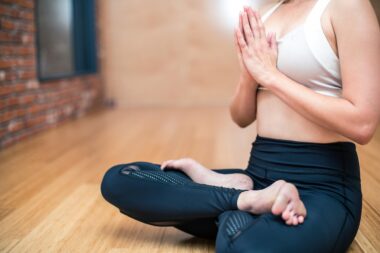
As lifestyle factors play an important role in overall fitness, evaluating one’s daily habits can make a difference. Encouraging older adults to incorporate physical activity into their existing routines is essential. Simple actions, such as choosing stairs over elevators or engaging in gardening and walking instead of sedentary activities, can make a significant difference. The goal is to build a lifestyle of movement rather than viewing exercise as a chore. Small changes encourage physical activity and improve quality of life tremendously. Another important factor to consider is sleep quality; however, it often gets overlooked. Many older adults suffer from sleep-related issues, which can affect energy levels and motivation for physical activity. Prioritizing good sleep hygiene can lead to better recovery and enhanced performance during workouts. It’s essential to establish a routine that includes winding down activities and a comfortable sleeping environment. Stress management techniques, such as meditation or yoga, can supplement physical fitness regimens effectively by promoting relaxation and mental wellness. By weaving together healthier habits into everyday life, older adults can build comprehensive fitness routines that bolster physical and mental capabilities.
Conclusion
In summary, building a sustainable fitness routine for older adults is achievable through a personalized approach. Recognizing individual needs, the importance of social interaction, and setting realistic goals empowers older adults to commit to long-term wellness. By addressing potential barriers and incorporating movement into daily life, one can create a fulfilling fitness journey. Engaging with peers, enjoying varied activities, and focusing on holistic health ensures that older adults can thrive physically and emotionally. As communities continue to promote healthy aging, it is critical to provide resources and create supportive environments that encourage older adults to stay active. A well-rounded approach addressing fitness, nutrition, and mental well-being is fundamental. Ultimately, older adults can achieve the quality of life they seek through a committed approach to fitness. The positive impacts on health, wellness, and social engagement will contribute to a vibrant lifestyle. It’s never too late to start exercising and experiencing the associated benefits. With dedication, adaptability, and support, older adults can successfully incorporate fitness into their lives, paving the way for longevity, happiness, and vitality.