
Balancing Baby and Fitness: Group Classes for Postnatal Mothers
During the journey of motherhood, postnatal fitness emerges as an essential aspect of well-being. Balancing the demands of a newborn with personal health can be challenging. Many new mothers find that group fitness classes provide a supportive environment to achieve their fitness goals. Encouragement from fellow participants enhances motivation and accountability, fostering a sense of community among mothers who share similar experiences. Moreover, group classes are often tailored to accommodate the physical changes after childbirth. Instructors typically have experience in postnatal fitness, adapting exercises to be both safe and effective. This personalized attention allows mothers to regain strength and flexibility while ensuring they are practicing safe movements. Additionally, many of these classes incorporate strategies to address common postnatal issues, such as diastasis recti and pelvic floor recovery. Some classes even allow for babies to be present, so that mothers can engage without separation, creating bonding opportunities. This comprehensive approach helps ease the transition into motherhood while promoting mental health alongside physical fitness.
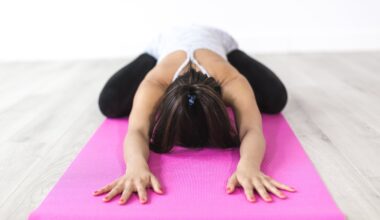
Group fitness classes for postnatal mothers come in various forms. These can include yoga, Pilates, circuit training, and even dance classes, which are designed to be fun and uplifting. Each type of class offers unique benefits, catering to different preferences and fitness levels. Yoga and Pilates focus on core strength and flexibility, which are crucial after childbirth. Meanwhile, circuit training provides a higher intensity workout, promoting cardiovascular health essential for energy and stamina. Dance classes, on the other hand, are excellent for lifting spirits while also burning calories. Choosing the right class can depend on fitness goals, comfort levels, and personal interests. Many facilities offer trial classes, which allows mothers to explore before committing to a regular schedule. Finding a class that feels right can contribute to longer-term participation. Classes are typically structured to include warm-ups, a workout, and cool-downs, providing a balanced approach that is essential for recovery. Furthermore, instructors often provide modifications, ensuring safety while still challenging participants.
Benefits of Group Support
Engaging in group fitness classes fosters social interactions, which are beneficial for new mothers. Parenthood can sometimes feel isolating, especially during the early days with a newborn. Group classes create an opportunity to meet other mothers and form friendships. Sharing experiences in a supportive atmosphere helps alleviate feelings of loneliness and encourages emotional well-being. Through discussions and shared activities, mothers learn from each other, exchanging tips on childcare and personal care. This social aspect significantly enhances the overall experience of fitness. Emotional support is just as critical as physical workouts when it comes to navigating the challenges of motherhood. Furthermore, regular interactions with other mothers experiencing similar struggles can lead to lasting friendships that extend beyond the fitness studio. Some classes may even organize social events outside of fitness sessions, solidifying bonds created in class. Research shows that social support positively impacts mental health, helping mothers to maintain a positive outlook and encourage each other on their fitness journeys. This community can be a lifeline, providing shared understanding, empathy, and friendship.
When considering postnatal fitness classes, it’s essential for mothers to consult healthcare providers first. Each individual’s recovery journey is different, and a professional opinion can guide safe participation. Healthcare professionals can offer tailored advice based on personal health history and recovery progress. Additionally, new mothers are encouraged to listen to their bodies. Fatigue, discomfort, or other complications are signals to slow down and rest, and taking time for recovery is vital. Most group classes promote a non-competitive atmosphere, allowing mothers to focus on personal goals without the pressure of others’ performances. Whether it’s regaining strength, flexibility, or simply enjoying a moment of self-care, taking part in fitness should be a rewarding experience. It’s also crucial to recognize that every mother’s journey is unique—there will be ups and downs. Embracing this journey with kindness towards oneself is fundamental. Taking small steps toward fitness can lead to significant progress over time, creating a sustainable path to health and wellness for both mother and baby.
Location and Convenience
Location plays a vital role in choosing the right group fitness class for postnatal mothers. Many fitness centers cater specifically to this demographic, offering convenient schedules that align with nap times or other parenting responsibilities. The ability to find a local class that fits within daily routine minimizes travel time and enhances participation consistency. Some facilities also provide childcare support during classes, easing concerns about leaving babies at home, thus encouraging mothers to attend. Many venues now even offer online or hybrid classes, making it even easier for those unable to attend in person due to scheduling conflicts or other commitments. The importance of finding a comfortable and stress-free environment cannot be overstated, as it creates a welcoming space that encourages participation. Facilities should also consider the needs of postpartum women, ensuring that spaces are accessible and accommodating. Comfortable flooring, properly handled equipment, and a supportive atmosphere are keys to a successful experience. By making fitness accessible, mothers can focus on their health without added stress, improving their overall experience and commitment.
In addition to traditional fitness classes, innovative options such as outdoor boot camps and walking groups specifically designed for postnatal mothers are becoming popular. The benefit of being outdoors includes fresh air and the chance to enjoy nature, which can positively influence mood and energy levels. Outdoor settings often promote a more relaxed atmosphere, allowing mothers to connect with nature while exercising. These alternatives to indoor classes can also encourage mothers to bring their babies along in strollers or carriers, fostering a shared experience and allowing for physical activity in a friendly environment. Since outdoor fitness can adapt to various fitness levels, it’s easier to participate at one’s own pace. These classes tend to be more varied in their formats, incorporating unique drills and fun challenges that can keep workouts enjoyable. Additionally, the camaraderie built in outdoor settings supports motivation within the group, helping participants to push themselves and stick to their fitness routines. Nature offers excellent mental health benefits as well, promoting mindfulness and aiding in stress reduction while engaging in physical activity.
Final Thoughts on Postnatal Fitness Classes
Ultimately, group fitness classes provide a wonderful opportunity for postnatal mothers to reconnect with their bodies and each other. Offering a variety of class options, supportive environments, and community connections, these classes cater specifically to the unique needs of new mothers. Participating in group fitness can significantly contribute to physical well-being while enhancing social interactions that are incredibly beneficial during the transition into motherhood. It is crucial for mothers to prioritize their health and find joy in these activities. While workouts are important, the supportive relationships formed during this time often bring equal or greater value. The blend of physical activity and emotional connections ultimately aids in a smoother transition into motherhood. Seeking fitness guidance tailored to postnatal requirements will foster confidence, empowerment, and a sense of accomplishment. Mothers are reminded to celebrate their progress, however small, and recognize the challenges overcome in this new chapter. By embracing a balanced approach to fitness and community, mothers can thrive in both health and motherhood, creating an enriching experience that promotes a lifetime of wellness.
This is another paragraph with exactly 190 words…