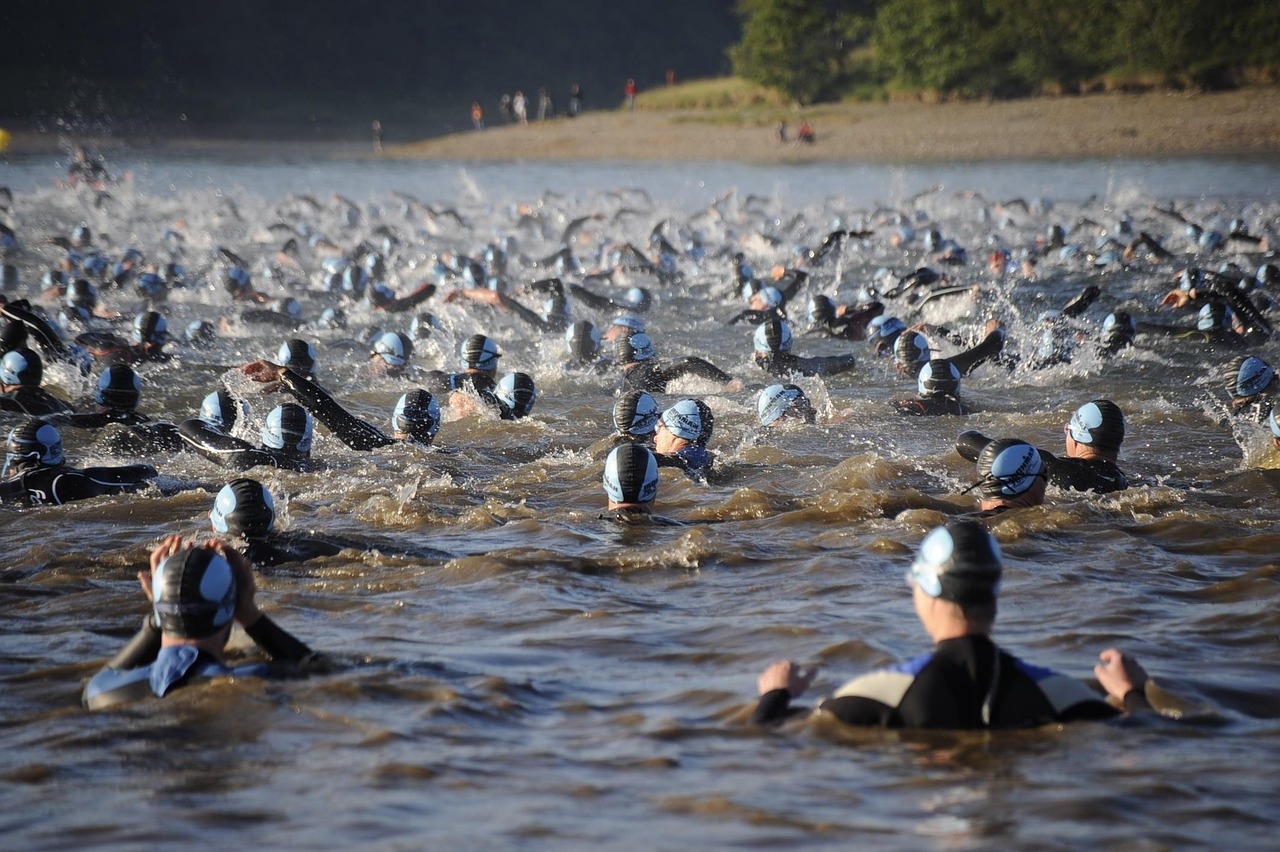

Transition Tips: From Open Water Swim to Bike Segment
As you prepare for the transition from open water swimming to the bike segment in triathlons, there are several strategies that can enhance your performance. First, it’s crucial to practice your transitions during training sessions. Familiarizing yourself with the process can save precious seconds on race day. Consider setting up a mock transition area during your swim training. Next, ensure your gear is organized and within reach. Place your cycling shoes, helmet, and bike in a logical order for a smooth changeover. Additionally, think about wearing a race belt to eliminate time spent putting on a shirt. Furthermore, practice your mount technique to vault onto your bike efficiently. This may require you to swim in your tri-suit instead of changing clothes. Also, swimming with others can help simulate race conditions. Finally, stay calm, remember to breathe, and visualize your transition. Mastering these transition tricks from water to bike can make a significant difference in your overall race experience and performance. Stay positive, and practice consistently for optimal results in triathlon training.
Improving Swim Performance
To ensure a smoother transition to the cycling segment, enhancing your open water swim performance is essential. Aim for a comfortable pace throughout the swim rather than sprinting excessively. Develop a consistent swimming rhythm by focusing on your breathing and stroke technique. Freestyle is typically the most efficient stroke but explore other techniques if needed based on conditions. Regularly training in various water conditions improves your adaptability and confidence. It’s essential to swim with your head down but still utilize sighting techniques every 10 to 15 strokes to maintain direction. Additionally, practice drafting behind other swimmers to conserve energy during the swim. This skill can give you a strategic edge. Elevate your endurance by gradually increasing the distance and intensity of training swims. Joining a local swim club or participating in swim clinics can offer professional guidance to refine your technique. Water buoyancy can also impact your performance; ensure you’re comfortable floating and using good form. Ultimately, putting time into improving your swimming will pay off, enhancing your overall experience in the triathlon.
Once you emerge from the water, the transition area becomes a vital hub in your racing strategy. To efficiently move from the swim to the bike, a clear plan is necessary. First, familiarize yourself with the layout and location of your gear during training. Position your bike rack close to the swim exit for easy access. As you approach your bike, focus on maintaining forward momentum while executing the removal of your wetsuit. Practice unzipping your suit while running to save time. If your race allows, try using a wetsuit that is easier to take off quickly. Afterwards, have your shoes pre-clipped to the pedals to expedite the bike mounting process. Before mounting, double-check that your helmet is secured properly to avoid penalty. A quick glance around can also set you up for safety, especially in crowded transition zones. Another helpful tip is to position a towel under your bike to dry your feet quickly. Practicing this transition flow repeatedly will build muscle memory and decrease transition times dramatically on race day.
Nutrition and hydration play an essential role during your transition from swim to bike. Before the race, ensure you properly fuel your body leading up to the event. Consuming easily digestible carbohydrates and staying hydrated ensures your energy levels are up during the race. After exiting the water, prioritize rehydrating immediately upon reaching your transition area. Keep electrolyte-rich fluids nearby to help with recovery. It may also be beneficial to pack quick snacks for your bike to maintain your energy throughout the ride. Set a plan on how much you need to consume at key intervals. During your practice transitions, experiment with the timing of your nutrition intake to see what works best for you. Incorporating gel shots or sports drinks is a common strategy among many athletes for replenishment. Nutritional adjustments can also depend on weather conditions; hotter races may require more hydration and cold races could mean fewer fluids. Taking note of how your body reacts during practice can guide your decisions for the actual event.
Mental Preparation
Mental preparation is just as critical as physical training when transitioning from open water swimming to cycling. Many athletes feel overwhelmed during this period, so finding ways to manage anxiety is essential. Visualization techniques can be beneficial; picture yourself smoothly transitioning between segments. Rehearse the steps in your mind, laying out a clear process to follow. Breathing exercises also help calm pre-race nerves and focus your attention on each task’s specific requirements. Use positive affirmations to boost your morale; remind yourself of your hard work in training. Embrace the challenge of transitioning by framing it as an opportunity rather than a stressor. These mental strategies ensure that you maintain concentration throughout the race. During practice sessions, place yourself in simulated race environments to acclimatize to high stress. Additionally, make adjustments to your routine based on what you learn from each session. Self-reflection after each practice is crucial to identify areas for improvement. With enough mental rehearsal and reflection, transitioning can become a seamless part of your triathlon execution.
In addition to optimizing the gear and nutrition processes, factoring in the weather can be crucial for the transition from swim to bike. Tricky weather conditions may require specific planning to adjust your gear. Wet or cool weather might necessitate wearing additional clothing for comfort while cycling, such as arm warmers or a jacket. On the contrary, hot weather might suggest you choose lighter materials that wick moisture efficiently. Be mindful of how your bike tires interact with varying conditions as well; ensure your tires are suitable for wet surfaces. Stay mindful about the transition space regarding wind direction as well, particularly for cycling wind resistance. Practicing in the same weather conditions likely on race day can prove beneficial. Equally, different weather changes can influence hydration – so adapt your fluid intake accordingly. Making the necessary comparison to the environment prepares you adequately for race day surprises. Be observant during your training, and refrain from stressing over external factors; focus instead on executing what you’ve practiced effectively, regardless of the weather.
Finally, don’t underestimate the importance of practice during the months leading up to your triathlon. Include transition practice into your regular training schedule; during every open water swim session, replicate your transition routine. This practice solidifies muscle memory, allowing you to transition seamlessly while on race day. Your overall time can be greatly influenced by practicing these transitions at speed. Conduct dry runs without entering the water, focusing solely on the physical actions taken once you exit the water. Invite friends or fellow athletes to simulate real race conditions with you, creating excitement and camaraderie. Document your training experience to track what works best. Clear and organized checklists help eliminate guesswork; outline key items needed in your transition area, ensuring you never miss anything. Race day can introduce tension and uncertainty, which makes familiarity invaluable. Cultivating a strong transition game through practice will provide you with the confidence necessary to execute excellently. Somebody once said, “Practice doesn’t make perfect; it makes progress,” so dedicate yourself to continual improvement.