
The Truth About Exercise Machines vs. Free Weights
When it comes to strength training, the debate between exercise machines and free weights is often a hot topic among trainers and gym-goers alike. Many believe that machines are the ideal option for beginners due to their simplicity and ease of use. However, the truth is more nuanced. While machines can effectively guide your movement and ensure proper form, they often isolate specific muscles, which might not promote overall muscle development. On the other hand, free weights allow for a fuller range of motion, engaging stabilizer muscles and offering functional strength benefits. Each training method has its merits, but understanding the differences can help individuals make informed choices based on their personal fitness goals. Machines can be great for beginners to build confidence and strength in a controlled setting. Contrastingly, free weights can enhance balance and coordination. It’s essential to evaluate what fits your specific workout plan and experience level. Opt for a combination of both as they can complement each other to create a well-rounded strength training regimen.
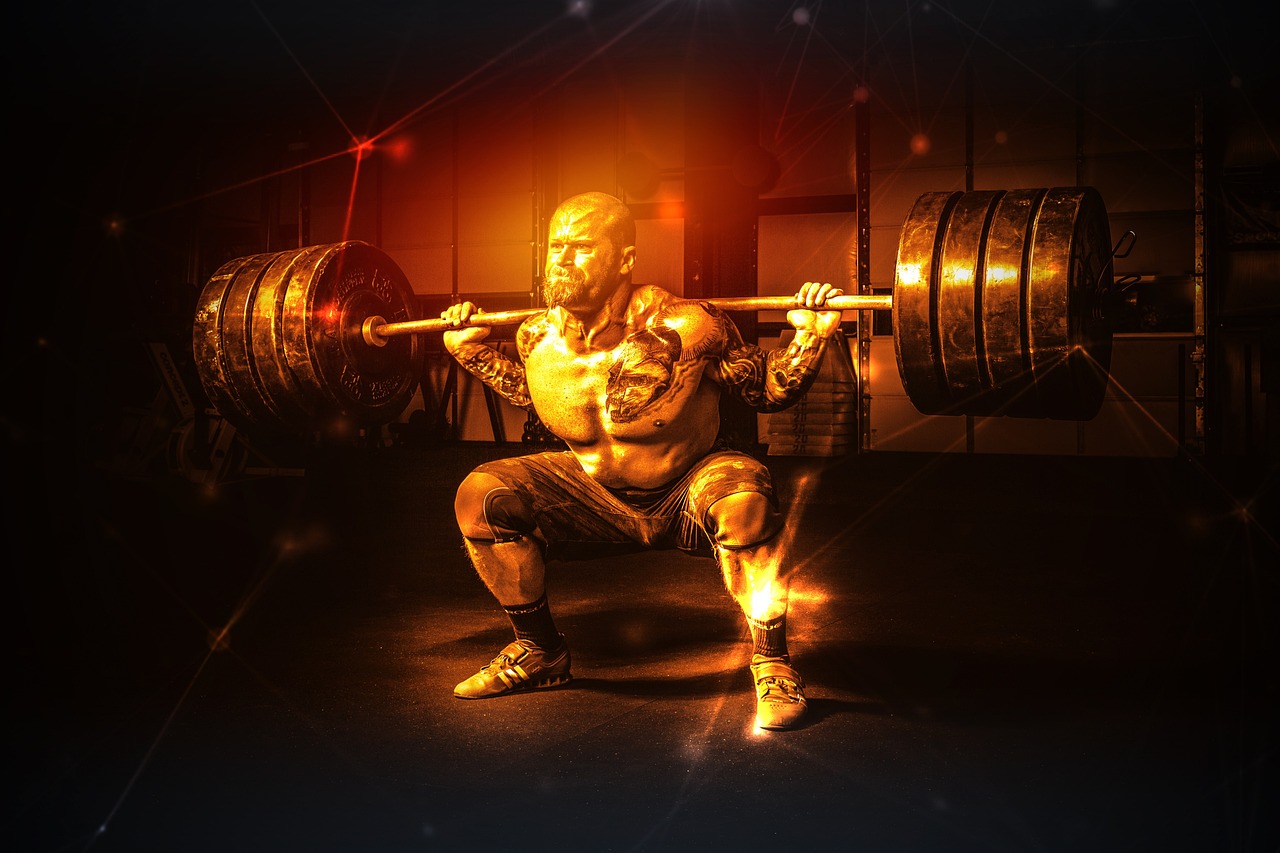
To further explore the merits of exercise machines versus free weights, it’s vital to consider the specific fitness objectives you wish to achieve. For those aiming for hypertrophy, free weights might be more effective. They involve multiple muscle groups and require your body to stabilize during compound movements like squats and deadlifts. However, machines offer focused training and can reduce the risk of injury, making them a great option for rehabilitation settings. Their design enables individuals to target specific muscles with precision. Furthermore, using machines can alleviate the intimidation factor for novices in a gym environment. This makes them appealing to those who might shy away from free weight areas. Yet, proper usage is key; correct technique is paramount when engaging with either option. Incorporating both types into your routine can yield the best results, allowing you to harness the advantages of each modality without sacrificing safety or effectiveness. With both methods offering unique benefits, striking a balance between them could be the secret to achieving optimal gains.
One of the common misconceptions surrounding exercise machines is the idea that they are inherently safer than free weights. While machines can help some users avoid injuries through guided pathways, they still come with their own risks. Without proper instruction, equipment can lead to poor form, strain, or overuse injuries. Free weights, when used correctly, encourage better alignment and motor learning, empowering individuals to engage more effectively in other physical activities. Moreover, many practitioners argue that free weights enhance functional fitness, which translates to enhanced performance in daily life activities, such as lifting, bending, and twisting. Consequently, this brings us to the conclusion that individuals should not approach strength training as a one-size-fits-all solution. Integrating both methods into a single workout program can play a significant role in optimizing strength, muscle size, and overall functional fitness. Additionally, alternating between the two can provide mental stimulation, keeping repetitive workout routines from becoming stale. Ultimately, personal preference and comfort levels often dictate which method is utilized, calling for a personalized touch to exercise programming to suit individual needs.
The Importance of Resistance Training
Resistance training is a crucial component of any well-rounded fitness regimen, whether it incorporates machines or free weights. Engaging in resistance exercises helps build muscle mass, improve bone density, and enhances metabolism. Importantly, understanding the difference between machine and free weight resistance is vital for maximizing results. For muscle hypertrophy, utilizing free weights allows for an increase in overall body strength due to increased muscle activation. In contrast, machines can effectively isolate particular muscles, which can prevent plateaus when executed appropriately. Beginners might find machines more intuitive, but this does not eliminate the need for proper guidance on form and technique. Regardless of the choice, working with a qualified trainer can help individuals strategize their training technique to yield the most effective results. Furthermore, many trainers advocate that a hybrid approach, that incorporates both machines and free weights, can create a more balanced workout. This strategy allows for comprehensive muscle engagement, aiding in strength building while preventing injuries often associated with improper form.
Nutrition remains equally significant when discussing exercise effectiveness, as it complements the physical efforts made in either training approach. Adequate protein intake is essential, particularly for strength training, to support muscle repair and growth. Individuals should prioritize nutrient timing to maximize their training outcomes, whether they prefer machines or free weights. Consuming a protein-rich meal post-workout can bolster muscle recovery, ultimately improving performance during subsequent training sessions. Moreover, hydration plays a pivotal role in training effectiveness and overall health. When engaging in any resistance training regimen, it’s crucial to remain hydrated for optimal performance. Both machine and free weight workouts can lead to sweating and dehydration, potentially affecting energy levels and recovery. As you navigate between the two training modalities, be mindful of your body’s nutritional needs. Balancing a diet rich in vitamins, minerals, and macronutrients will enhance your training regimen, whether you favor machines, free weights, or even a combination. Ultimately, nutrition is a key ally in the journey towards achieving strength and fitness goals.
It’s also important to discuss the psychological aspects of choosing between exercise machines and free weights. Many individuals have a preference influenced by their personal experiences and emotional connections to their workout environment. For some, free weights may evoke a sense of empowerment and independence, encouraging confidence in their physical abilities. On the contrary, gym-goers may feel more comfortable utilizing machines, perceiving them as less intimidating and more straightforward. This psychological element can greatly influence a person’s motivation and consistency in adhering to a fitness routine. Finding enjoyment in workouts is key to maintaining long-term engagement. Additionally, a person’s perception of their progress and abilities can heavily impact their willingness to continue challenging themselves in their fitness journey. Many people report feeling more accomplished when they utilize free weights because the increased difficulty fosters a sense of achievement. Nevertheless, regardless of the chosen method, it is essential to focus on personal goals and preferences to ensure continued success in any fitness endeavor.
Conclusion and Recommendations
In conclusion, both exercise machines and free weights hold significant advantages and disadvantages. Choosing between the two ultimately depends on individual goals, comfort levels, and physical capabilities. While machines provide a safer, more controlled environment for beginners and those rehabilitating from injury, free weights can offer more significant muscle engagement and functional strength benefits. A blended approach, incorporating both modalities, typically yields better results, addressing various muscle groups and training objectives. Furthermore, considering external factors such as nutrition, hydration, and psychological aspects will enhance overall training effectiveness. Regardless of what you choose, focusing on form and technique, as well as modifying the approach to what feels most comfortable, ensures safe workouts. Ultimately, finding joy in movement and understanding your body’s unique responses will support sustained adherence to a workout routine. Whether you lean towards machines or free weights, remember that consistency, enjoyment, and knowledge are critical in achieving personal fitness objectives. Engage with both methods to discover what works for you and keep pushing yourself in your fitness journey.
Remember, the key to any successful training program is to remain adaptable, open to change, and willing to challenge oneself. Embracing both exercise machines and free weights in your fitness regimen opens up a world of possibilities. Feel free to explore different routines and exercises to identify those that resonate best with your goals and lifestyle. The importance of consulting knowledgeable trainers or experienced gym members cannot be overstated, as they can provide valuable insights into effective techniques and variations between exercises. Ultimately, gaining clarity on your fitness aspirations will allow you to make informed decisions, ensuring consistent progress and enjoyment along the way. Your fitness journey does not have to be rigid; flexibility is an essential aspect of developing and maintaining a successful exercise routine. Experimenting with various workouts, including alternative equipment or classes, can keep your training stimulating and enjoyable. Don’t hesitate to document your journey, celebrating milestones and achievements to chart your progress effectively. A well-planned, varied approach to training facilitates a sense of community, leading to improved motivation and resilience in overcoming challenges.