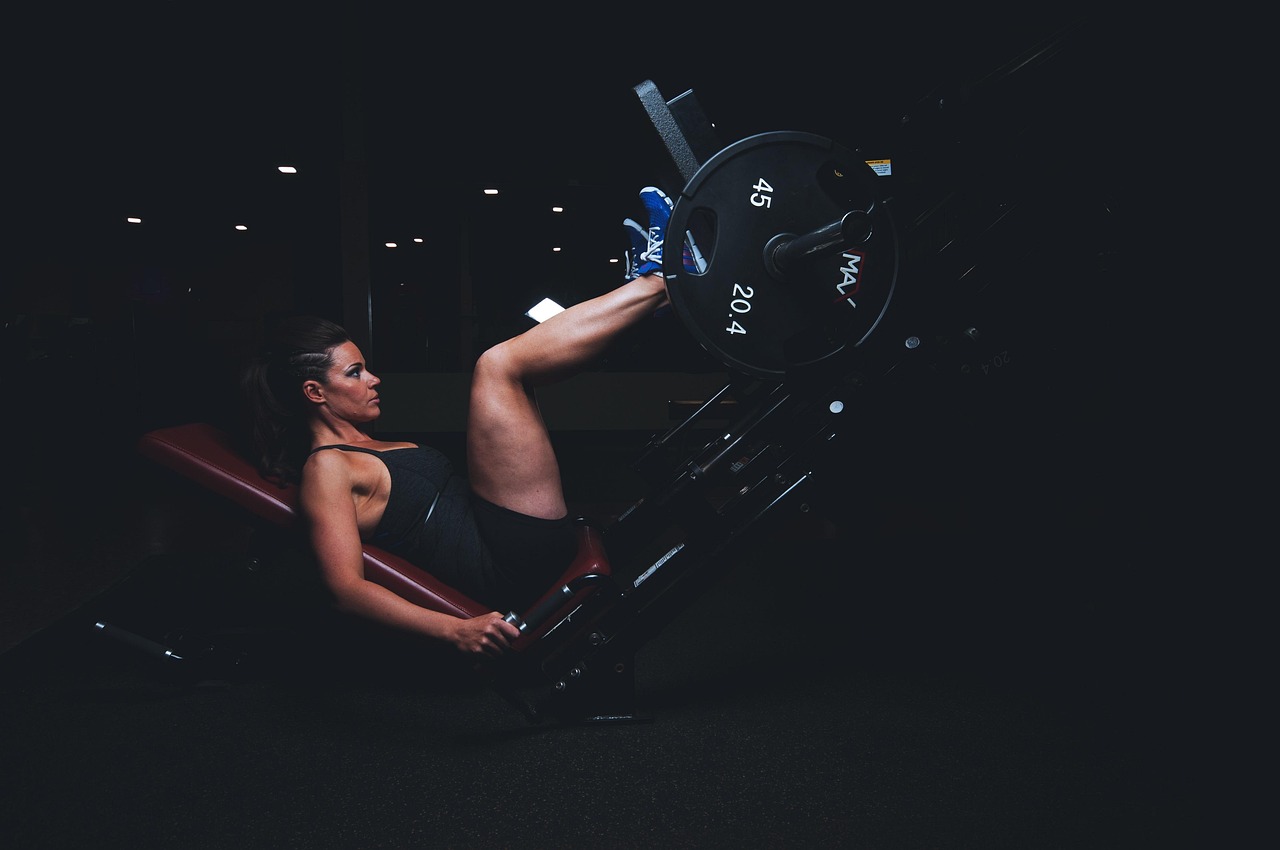

The Science Behind Bodyweight Training in the Gym Environment
Bodyweight workouts have gained immense popularity in recent years. The concept of using one’s body as resistance offers significant benefits. Moreover, training this way enhances strength, flexibility, and coordination. It’s essential to understand the physiological mechanisms behind bodyweight training to maximize its effects. When performing exercises like push-ups, pull-ups, and squats, bodyweight acts as resistance. This adaptation allows the body to develop functional strength. Another crucial aspect is that bodyweight exercises engage multiple muscle groups. This leads to improved core stability, balance, and overall body awareness. Performing these moves in a controlled and structured environment, such as a gym, can heighten their effectiveness. Gyms provide the necessary space and equipment to perform these exercises optimally. Furthermore, bodyweight training can be easily modified. Beginners might start with easier variations while advanced athletes can increase difficulty through progressive overload. James Clear, author of Atomic Habits, emphasizes the importance of making small, consistent improvements. Ultimately, understanding these principles is vital for achieving fitness goals. Harnessing the power of bodyweight exercises leads to sustainable progress and a healthier lifestyle.
Proper form is essential in bodyweight workouts to prevent injuries and maximize benefits. Understanding body mechanics helps individuals perform exercises correctly. Many people overlook the necessity of maintaining proper posture during workouts. This often results in injuries and inefficiency. When engaging in exercises like push-ups, the correct alignment of the spine, hips, and shoulders is crucial. Performing workouts with improper form can lead to muscular imbalances over time. Additionally, progressing with drills such as dips or lunges demands that practitioners reassess their technique. Regularly monitoring and adjusting your form can ensure safety and effectiveness. Gyms provide mirrors and professional trainers to assist in this process. Professionals can offer valuable guidance and feedback, which can enhance workouts further. Incorporating bodyweight training into a gym routine allows individuals to develop strength dynamically. This approach can also be tailored to meet personal fitness levels. Utilizing equipment like resistance bands and balance balls alongside bodyweight exercises boosts challenge and engagement. As a result, these variations keep workouts fresh and interesting. Ultimately, mastering bodyweight movements lays a strong foundation for advanced training techniques that yield optimal fitness results.
Benefits of Bodyweight Training in a Gym Environment
Choosing bodyweight exercises in a gym setting can amplify various health benefits. One prominent advantage is accessibility; no significant equipment is required. Unlike heavy machinery, bodyweight exercises can be performed anywhere, making them versatile. Furthermore, they improve muscle endurance and cardiovascular health. Engaging in dynamic moves involves stabilizing multiple muscle groups simultaneously. This leads to enhanced functional fitness, which positively impacts daily activities. Engaging in diverse exercises prevents monotony, enhancing workout adherence. Another essential benefit is that bodyweight workouts can facilitate weight loss. The intention is to burn calories while exercising, promoting overall body fat reduction. Incorporating interval training strategies can increase the metabolic rate, leading to effective weight management. The combination of high-intensity intervals with bodyweight practices develops aerobic capacity and stamina. This strategic approach yields better cardiovascular fitness. Notably, this method can be advantageous for individuals with joint concerns, as it reduces impact compared to traditional weightlifting. Bodyweight workouts promote stress relief and improve mood. Triggering endorphin production during exercise fosters mental well-being and overall happiness.
The Importance of Warm-Up and Cool-Down
A proper warm-up is essential before embarking on bodyweight workouts in a gym. Warming up prepares your muscles and cardiovascular system for intense activity. It increases blood flow, enhancing performance and minimizing injury risk. Start with low-impact movements such as jogging, dynamic stretching, or mobility exercises. Gradually increasing intensity can optimize your body for the workout ahead. Incorporating exercises like jumping jacks or leg swings is particularly beneficial before bodyweight sessions. Furthermore, a cool-down phase post-workout is equally vital. Cooling down helps in gradually returning heart rates and breathing patterns to normal levels. Engaging in static stretches aids in flexibility and mitigates muscle soreness. This is particularly crucial after intense bodyweight drills. Yoga or static stretching can enhance recovery and promote relaxation. Moreover, hydration remains critical. Replenishing fluids before, during, and after workouts can improve overall performance. Utilizing gym amenities such as foam rollers offers additional recovery methods. It’s important to listen to your body; if fatigue or discomfort erratically appears, take necessary breaks. Taking these steps ensures that your body responds favorably to bodyweight workouts, leading to sustained fitness advancement.
Integrating technology into gym workouts can enhance the effectiveness of bodyweight training. Many fitness apps now offer customizable workout plans and track progress over time. Such technology fosters accountability between users and their fitness goals. Additionally, utilizing wearable devices can provide insights into heart rate, calories burned, and exercise duration. Analyzing this data allows individuals to tweak their routines for optimal outcomes. Video tutorials also serve as a resource for mastering bodyweight exercises. Online platforms showcase various workout styles, aiding in technique enhancement. Employing this knowledge generates a more efficient training session. Another trend gaining traction is the use of guided online classes. Participating in live or recorded bodyweight workouts can create a community atmosphere, promoting motivation and commitment. Some platforms offer opportunities to connect with like-minded individuals. This promotes a sense of belonging, which can improve adherence to a fitness regimen. Lastly, social media plays a significant role in fitness motivation. Following fitness influencers can inspire innovative workouts or ideas. The access to information and support networks empowers individuals in their fitness journeys.
The future of bodyweight workouts in gym environments is promising. As fitness trends evolve, the importance of functional movement remains critical. Bodyweight exercises align with these principles, focusing on movements applicable to daily life. Moreover, fitness professionals increasingly acknowledge the advantages of bodyweight training. This shift may lead to more specialized programs and classes focusing on bodyweight techniques. The incorporation of virtual reality into gym settings also introduces an exciting frontier. Imagine performing workouts where your environment changes dynamically while following guided instruction. This immersive experience could revolutionize how individuals perceive their training routines. Additionally, collaborating with personal trainers can tailor sessions to incorporate unique bodyweight strategies. Such programs would enhance effectiveness, ensuring participants remain engaged. As a society, there’s a growing awareness of holistic health, intertwining physical fitness, nutrition, and mental wellness. Bodyweight training embodies these principles, fostering healthy habits without heavy reliance on equipment. Building a fitness culture centered on sustainable practices resonates with diverse demographics. Ultimately, its adaptability positions bodyweight workouts for longevity in various gym environments, becoming an essential aspect of many fitness enthusiasts’ paths.
To maximize the benefits of bodyweight training in the gym, variety matters. It’s vital to incorporate different movement patterns. This not only prevents plateaus but also engages the body in unique ways. Training should include various forms: pushing, pulling, squatting, and core stabilization. For example, mixing exercises like burpees, planks, and tricep dips enhances overall fitness. Progress tracking facilitates awareness of personal growth, encouraging individuals to continue challenging themselves. Engaging in progressively complex movements can meet evolving fitness aspirations. Additionally, incorporating short HIIT (High-Intensity Interval Training) sessions can retain engagement while boosting calorie burn. Regularly switching up routines keeps workouts fresh, reducing monotony. Furthermore, ample recovery time must be part of the strategy. Allowing muscles to recover promotes continuous improvement and avoids burnout. Adequate sleep and balanced nutrition play crucial roles in maximizing gains. Ensuring proper rest days and nutrition can elevate performance levels sustainably. Finally, maintaining positive mental attitudes leads to greater commitment over time. Celebrate small victories; this fosters retention and long-term results. Thus, understanding and embracing various aspects will ensure success in bodyweight workouts within the gym environment.
In conclusion, bodyweight training in a gym environment offers diverse benefits, including versatility, functional strength, and adaptability. The scientific principles governing these workouts allow individuals to explore their full potential. By focusing on technique, motivating practices, and long-term strategies, fitness enthusiasts can achieve significant gains. Understanding these dynamics cultivates an atmosphere where individuals thrive both physically and mentally. Committing to diverse functional movements prepares individuals for various life challenges. As fitness cultures continue evolving, bodyweight workouts are bound to play an even more prominent role. Balancing personal goals, adequate recovery, and the right guidance can maximize this training method’s effectiveness. Gym environments foster community and support, helping practitioners adhere to their fitness goals. The future promises innovative approaches to ongoing bodyweight training methods. Professionals will likely look toward technological advancements, further enhancing motivation and interaction. It’s essential to recognize the potential of bodyweight workouts to yield positive, sustainable fitness results. Ultimately, employing this training can revolutionize perceptions of health and wellness, paving the way for a lifelong commitment to fitness. Engaging in bodyweight movements promotes not only strength but also fosters resilience and overall well-being.