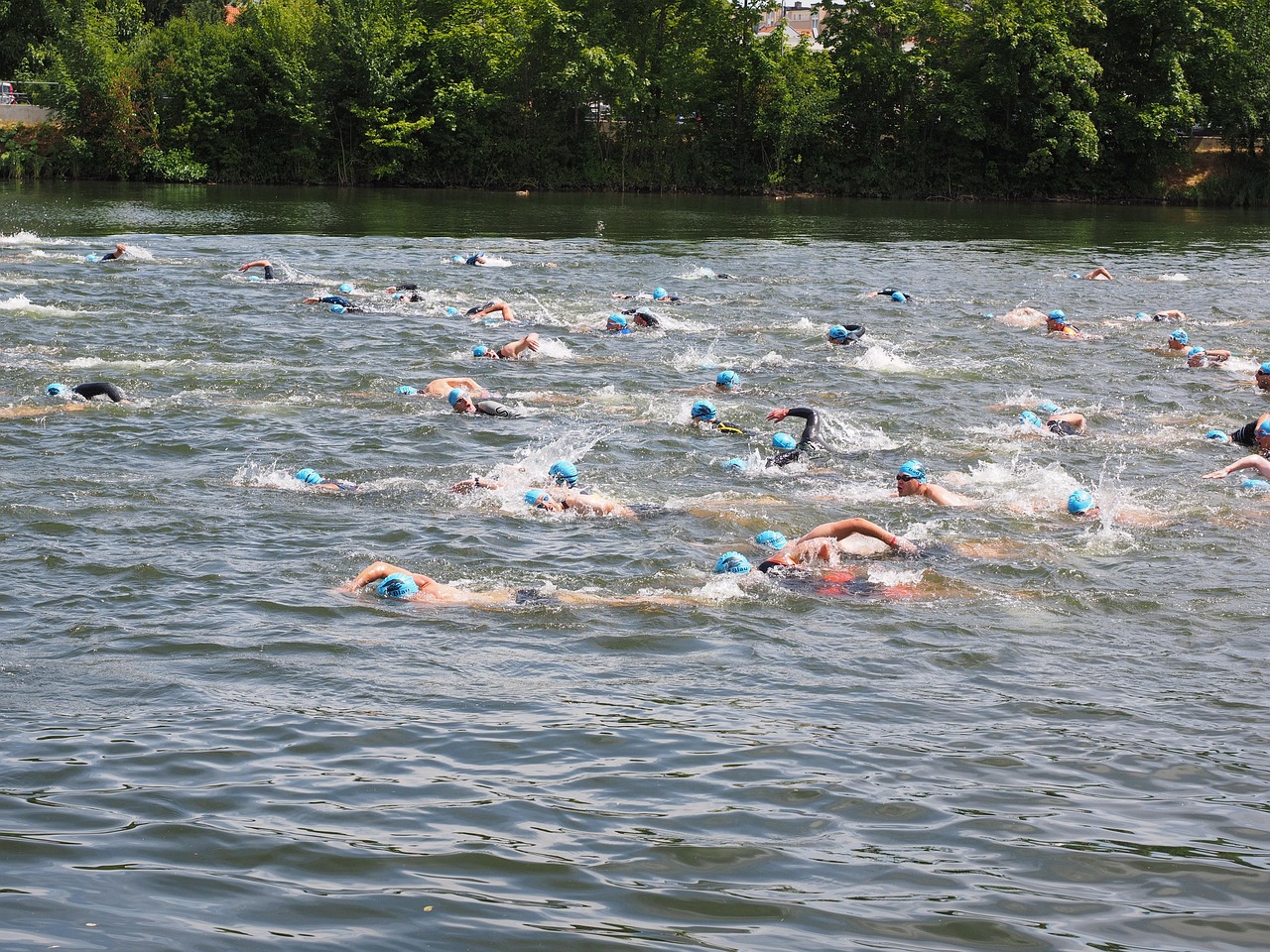

Injury Prevention Strategies for Triathletes During Swimming
Swimming is an essential discipline for triathletes, but it can also lead to specific injuries. Understanding and preventing these injuries is crucial for performance and overall health. One of the primary issues faced by swimmers is shoulder pain, often caused by repetitive motion. To minimize this pain, it’s vital to work on shoulder flexibility and strength. Engaging in a regular stretching routine can enhance movement range and help avoid shoulder injuries. Additionally, swimmers should pay close attention to their technique; poor form can lead to chronic pain and long-term damage. Another common issue is ankle strain, which can arise from improper kicking. Incorporating ankle flexibility exercises can improve swimming efficiency and decrease the likelihood of injury. Triathletes should also focus on cross-training. Activities like yoga or strength training can build necessary muscle groups while enabling recovery. Lastly, incorporating rest days and listening to one’s body can prevent injuries from overtraining. By following these preventative strategies, triathletes can enjoy swimming while minimizing injury risks.
The importance of proper equipment cannot be overstated when it comes to preventing swimming injuries. Swimmers should invest in well-fitting goggles, which can help reduce irritation in the eyes and distractions during the race. Additionally, using a swim cap can protect hair while keeping swimmers streamlined in the water. Another valuable tool is a wetsuit, especially in colder conditions. Wetsuits provide buoyancy, aiding swimming efficiency, and reducing fatigue. Furthermore, selecting the appropriate type of swim fins can help in training. Fins can enhance kicking strength while reducing the risk of cramping or soreness in the ankles. However, it’s essential to choose fins that are not too large, as this can lead to improper technique. A well-chosen pull buoy can also assist in training sessions, allowing swimmers to focus on their stroke without overexerting the legs. The right gear not only boosts comfort and performance but also aids in injury prevention, helping triathletes maintain their focus on improving times instead of recovering from injuries. It’s prudent for swimmers to regularly assess their equipment for wear and tear, ensuring optimal safety during training and competitions.
Importance of Warm-Up and Cool-Down Routines
Injury prevention in swimming goes beyond technique and equipment; it also encompasses proper warm-up and cool-down routines. Engaging in a thorough warm-up prepares the body for intense activity by increasing blood flow to muscles. This can significantly decrease the risk of muscle strains and sprains. A recommended warm-up should include dynamic stretches focusing on the shoulders, hips, and legs. Exercises like arm circles and leg swings promote blood circulation and enhance flexibility. Furthermore, integrating drills that mimic swimming strokes can also prepare specific muscle groups effectively. After finishing swim training, cool-down routines are equally vital for injury prevention. Cooling down allows the body to gradually return to its resting state, reducing muscle soreness post-training. Slow, gentle stretches targeting the shoulders, back, and legs can significantly contribute to recovery. Incorporating these practices fosters injury resistance over time. Skipping warm-ups can lead to fatigue and weariness during swims, increasing injury chances. Therefore, triathletes should not underestimate the significance of these routines as part of their swim regimen, emphasizing consistency and attention to recovery throughout their training cycles.
Understanding swimming-related injuries helps triathletes tailor their training programs effectively. A prevalent injury among swimmers is known as “swimmer’s shoulder,” commonly manifesting as pain at the front of the shoulder, often a result of repetitive overhead motions. Swimmers should be aware of this condition and incorporate appropriate strengthening exercises into their routine. Strengthening the rotator cuff and deltoids can enhance shoulder stability, mitigating injury risks. Another significant concern is lower back pain, often attributed to improper body positioning in the water. Regular core-strengthening exercises can improve stability while swimming, leading to better posture and reduced strain. Additionally, attention to swimming stroke techniques is paramount. Swimmers frequently benefit from professional coaching or video analysis. Such assessments reveal areas for improvement, allowing for corrections that can prevent injuries from developing. The implementation of swim drills targeting technique refinement is beneficial too. Triathletes should also consider personal limits in recovery to mitigate ongoing pain or emerging injuries. By collaborating effectively with coaches and physiotherapists, swimmers can gain insights into their weaknesses and reduce the likelihood of injury throughout their training programs.
Nutrition and Hydration for Injury Prevention
Nutrition and hydration play key roles in injury prevention for triathletes, particularly in swimming. An adequate intake of essential nutrients supports muscle recovery and helps alleviate soreness post-training. For instance, sufficient protein consumption aids in muscle repair, while carbohydrates provide energy for intense workouts. Additionally, incorporating anti-inflammatory foods into the diet can combat soreness and inflammation related to injuries. Leafy greens, fish rich in omega-3 fatty acids, and nuts can provide vital support. Hydration is equally important before, during, and after swimming sessions. Dehydration can lead to cramps and reduce overall performance. Thus, triathletes should keep water close, implementing regular intake during workouts. Electrolyte drinks may also be beneficial during long training sessions. Monitoring urine color can offer insights into hydration levels; a pale yellow hue indicates adequate hydration. Furthermore, including foods rich in hydration, like fruits and vegetables, can complement water intake. This combination optimally prepares the body for strenuous swim sessions while combating the aftereffects of dehydration. Triathletes should emphasize maintaining a balanced diet regularly, tailoring their nutrition plans according to their training demands for injury prevention.
Another preventive measure against injuries in swimming is to adopt gradual progression in training intensity. It’s essential for triathletes to not suddenly increase their swimming distances or speeds. Abrupt changes can overwhelm the muscles and joints, leading to injuries. Instead, following the 10% rule is often recommended – increasing distance or training volume by no more than 10% weekly. Such a gradual build-up allows the body to adapt and strengthen over time. Additionally, it’s crucial for athletes to incorporate adequate rest days. These allow the body to recover, repair, and regenerate between intense training sessions. Fatigue can significantly elevate injury risks, particularly in swimming, where precise movements are essential. Monitoring overall training loads is helpful; tools like training diaries can provide insights into recovery and fatigue levels. Listening to one’s body and acknowledging the signs of pain honestly is vital too. If a swimmer experiences persistent discomfort, seeking professional advice can facilitate proper recovery. Overall, maintaining a balanced and progressive training approach fosters resilience and helps triathletes avoid injuries while enjoying the swimming aspect of their sport.
Conclusion: Staying Injury-Free
In conclusion, triathletes must prioritize injury prevention strategies during their swimming training. Understanding the common injuries, focusing on proper techniques, and implementing adequate warm-ups and cool-downs can make a considerable difference in an athlete’s career. Investing in quality equipment enhances safety and performance, while consistent cross-training promotes overall strength and flexibility. Nutrition and hydration also have respective and critical roles in injury prevention; athletes should ensure they are supplying their bodies with optimal energy and recovery nutrients. Furthermore, emphasizing gradual progression in training intensity and monitoring personal limits can significantly mitigate the risk of injury. Listening to one’s body, recognizing pain signals, and acting promptly by seeking professional guidance is crucial in maintaining a long-term, injury-free athletic career. Adopting a holistic approach that encompasses these strategies ensures that triathletes can effectively train, enjoy their sport, and perform at their best. By integrating these preventative measures into their swim training, triathletes pave the way for sustainable success and fulfillment in their athletic pursuits, ultimately enhancing both enjoyment and performance in their swimming discipline.
In summary, practice, consistency, and awareness are key elements for triathletes to avoid injuries in their swimming training. By focusing on injury prevention strategies, including proper equipment, technique refinement, warm-ups, nutrition, and gradual training increments, athletes create a protective framework. This approach empowers triathletes to sustain performance levels and accomplish personal goals while minimizing setbacks due to injuries. Regular assessments and adjustments to training regimens are essential, as each athlete’s body responds differently to various stressors. Being proactive in injury prevention leads to long-term success and enjoyment in triathlon endeavors, fostering a healthy relationship with the sport. As awareness of injury risks increase, so does the ability to address them efficiently. Triathletes can utilize resources such as coaches and physical therapists, creating a supportive network that enhances growth and learning. Implementing these strategies individually encourages self-care and personal responsibility within the sport, ultimately contributing to resilience. By continuously assessing progress and adapting to training changes, triathletes can enjoy the benefits of swimming without the burden of injury, leading to a fulfilling and exciting journey in triathlon racing.