
How to Improve Mobility for Better Bootcamp Performance
Improving mobility and flexibility is essential for enhancing your bootcamp performance. Flexibility and mobility are often overlooked elements in a fitness routine, yet they play a crucial role in overall physical well-being. These exercises allow your joints to move through their optimal range, promoting better performance during high-intensity workouts. Incorporating a variety of mobility exercises can minimize the risk of injury during your bootcamp sessions. Engaging in these exercises enhances your body’s ability to perform functional movements essential for daily life activities and workouts. You can integrate various practices like dynamic stretching, foam rolling, and yoga to improve your overall mobility. By focusing on improving mobility, you’ll find yourself more agile and capable of executing complex bootcamp tasks. Ultimately, maintaining mobility is not merely about stretching; it encompasses strength, coordination, and proprioception, contributing to your overall fitness. Understanding the relationship between flexibility and performance can help you tailor your training specifically towards achieving your fitness goals effectively. Begin your journey to enhanced mobility today and watch as your bootcamp workouts become more fulfilling and effective, allowing you to access new levels of fitness that may have previously seemed impossible.
Your warm-up routine should incorporate stretches for multiple muscle groups, particularly those targeted during bootcamp workouts. General movements are crucial for activating the muscles you’ll engage during intense training sessions. Start with dynamic stretches that mimic the workout movements, preparing your body both mentally and physically. Incorporating hip openers, leg swings, and torso twists can greatly contribute to enhancing range of motion. These dynamic stretches will ensure that your muscles are warmed up adequately, improving their elasticity. Additionally, spending some time on the ground to perform ankle and wrist circles will help loosen these areas. Pay attention to all muscle groups, focusing equally on upper and lower body stretches. Not only will this help in reducing soreness post-exercise, but it will also enhance the efficiency of your movements. To further increase flexibility, bond various mobility exercises with a high intensity interval training approach, keeping your heart rate elevated. Remember, flexibility is a skill that requires consistent practice, so diligently follow your warm-up routine before every bootcamp class. Gradually challenge yourself with more complex stretches to prevent staleness and continually improve your mobility over time, setting the foundation for better bootcamp performance in the future.
Dynamic Stretching Techniques
Dynamic stretching techniques involve movement and muscular effort for further extending range of motion. Focus on specific movements that relate to bootcamp workouts, such as high knees, walking lunges, and lateral leg swings. These movements gently warm up your muscles and prepare your joints for the demands of intense training. The primary goal of dynamic stretching is to engage the body, increase blood flow to your muscles, and enhance overall functional movement patterns. To execute high knees, jogging while lifting your knees towards your chest can effectively engage your hip flexors and related stabilizers. Incorporating movements like rockers with an emphasis on balancing core strength while oscillating between positions can also greatly aid in mobilizing the hips. Lateral leg swings, performed in both frontal and backward directions, can aid in loosening up your hip joints and increasing their flexibility. Furthermore, incorporating specific exercise movements that you will be performing during bootcamp sessions into your dynamic stretches can lead to substantial improvements in your performance capability. Keep in mind that incorporating these dynamic stretches regularly into your training can better prepare you for the demands of intense bootcamp exercises.
Static stretching is crucial post-exercise for enhancing mobility. It involves holding a stretch for a specific duration, usually between 15 to 60 seconds, effectively lengthening the muscle fibers and improving overall flexibility over time. Incorporate static stretches after your bootcamp classes when your muscles are warm and more pliable. Targeting muscles that feel tight or strained after workouts can lead to improved recovery. Focus on key muscle groups such as quadriceps, hamstrings, shoulders, and hip flexors. Placing emphasis on a relaxed breathing pattern while performing each stretch is essential to reap the maximum benefits. Additionally, using basic yoga postures effectively blends static stretching with breath awareness. A simple butterfly stretch for your inner thighs or a cow face pose for deep hip stretching can change how your body responds to regular bootcamp intensity. Make this practice a part of your post-workout regimen, as it will lead to greater flexibility in subsequent workouts. Static stretching not only aids in muscle recovery but also offers a calming post-exercise routine that centralizes your focus, encouraging your body to recover and adapt to the training levels needed to excel in bootcamp workouts.
The Role of Foam Rolling
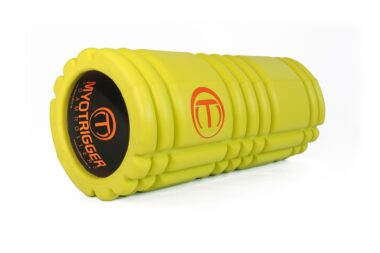
Foam rolling is an essential component of mobility training, serving as an effective method to release muscle tension and improve flexibility. Frequently rolling out tight muscles can surpass traditional stretching, as it promotes blood flow and enhances the recovery process. Using a foam roller post-bootcamp sessions focuses on sore and stiff areas while breaking down muscle knots. This technique helps in enhancing muscle elasticity, allowing for a greater range of motion during workouts. Additionally, foam rolling serves as a form of self-myofascial release, targeting the fascia or connective tissue surrounding your muscles that might restrict movements. Make it a part of your cooldown routine after every bootcamp workout. Spend time rolling out major muscle areas including your quadriceps, hamstrings, glutes, and upper back for lasting relief and mobility improvement. Consider alternating intensities while rolling based on the tightness of your muscles. Following a lightweight foam roller, transition to a more rigid option as your body adapts. Incorporating this practice into your fitness regimen can aid in long-term recovery and enable better performance during your next bootcamp class, ensuring that you stay agile and responsive throughout.
Structured flexibility routines often include a variety of exercises focusing specifically on enhancing mobility for bootcamp enthusiasts. Create a systematic routine that ensures all muscle groups are targeted adequately, addressing potential imbalances effectively. Start with lower body mobility exercises, such as deep squats, hip flexor stretches, and ankle flexibility drills. Gradually introduce upper body movements, including shoulder dislocates using a resistance band or wall slides that activate your scapular region. Incorporate bridge movements for your core stability, as they improve pelvic position and hip extension mobility. Another essential element is working on unintended tight spots during your workout sessions, so always include assessing your tight areas throughout your routine. Each exercise should focus on controlled movements while holding positions for a varying duration to build endurance. Aiming for two to three rounds of each mobility circuit can enhance your overall capability. Consistency in practicing this structured routine will lead to noticeable improvement over time. By dedicating time to structured flexibility sessions, you set the foundation for greater bootcamp performance and cultivate a long-lasting routine that nurtures overall stability, strength, and resilience.
Conclusion on Mobility and Performance
To summarize, improving mobility is crucial for optimizing bootcamp performance. Engage in a well-rounded approach by incorporating dynamic and static stretches, foam rolling, and structured flexibility routines. Each technique contributes significantly to enhancing your overall flexibility and joint functionality, allowing you to perform better during high-intensity training. By committing to these practices, you not only reduce the risk of injuries commonly associated with bootcamp workouts but also promote faster recovery times. Gradually, you’ll notice improved range of motion and increased ability to perform complex movements efficiently. Regularly evaluate your mobility progress to adjust your techniques and incorporate different exercises as needed. Your improvement journey requires patience and persistence; mobility should be viewed as a lifelong practice and not just a short-term goal. Hence, make mobility training a fundamental component of your fitness regimen. Embrace the full range of your movement capabilities as you experience the benefits firsthand in subsequent bootcamp workouts. Remember that your body deserves the highest level of care, and improving mobility is a significant step towards achieving peak performance and fitness success.