
How to Create a Balanced Flexibility and Mobility Bootcamp Program
Creating a balanced flexibility and mobility bootcamp program involves several critical steps to ensure participants gain maximum benefits. Start by defining your target audience; this could include athletes, beginners, or individuals recovering from injury. Assess their current flexibility and mobility levels to tailor your program according to their needs. Introduce exercises that develop functional movement patterns essential for daily activities and athletic performance. These patterns might include lunges, squats, and rotational exercises. It’s important to progressively increase the difficulty of exercises over time. Involve a range of dynamic and static stretches to enhance flexibility. Dynamic stretches, like leg swings or arm circles, can be used to warm up, increasing blood flow and range of motion. On the other hand, reserve static stretches, such as the butterfly stretch or hamstring stretch, for cooldown sessions. Incorporate balance-focused drills, which help develop stability while also engaging the core muscles. Additionally, remember to schedule sufficient rest days to allow muscles to recover and adapt. Incorporating varied modalities, such as yoga or Pilates, can help diversify the training environment and keep participants motivated.
Key Exercises for Flexibility and Mobility
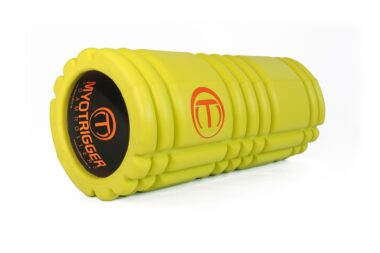
Designing a successful bootcamp program requires including key exercises that specifically enhance flexibility and mobility. Focus on using basic movements like the forward bend and the quadruped hip stretch. These movements assist in elongating muscle fibers and improving overall range of motion. Incorporate shoulder stretches to help alleviate tightness and improve upper body mobility, vital for various sports and activities. Dynamic stretches also play a critical role; high knees and butt kicks warm up the lower body efficiently. Be sure to blend in thoracic spine rotations, which can significantly enhance upper body mobility. A crucial aspect involves incorporating foam rolling techniques to aid in muscle recovery. Foam rolling decreases muscle soreness and boosts blood circulation, making it an excellent addition to cooldowns post-exercise. Always ensure participants are aware of their limits to avoid injuries. Encourage them to listen to their bodies and only stretch within a comfortable range. Implement modifications for those who might need different levels of progression. Utilizing various props such as blocks or bands can make movements accessible for everyone, regardless of their starting fitness levels.
A balanced flexibility and mobility bootcamp program also needs to consider warm-up and cool-down phases. These phases are significant for preventing injuries and maximizing performance benefits. Warm-ups should include gentle movements and dynamic stretches to kickstart joint circulation. Begin with low-intensity exercises like walking or light jogging, transitioning into sport-specific movements that mimic the exercises planned for the session. Cooldown strategies should involve static stretching, which allows muscles to relax and regain their length post-exercise. Techniques such as guided breathing exercises can enhance relaxation during the cooldown period. Additionally, focus on consistency within the program. For the best results, aim for at least two to three sessions weekly. Monitoring progress is essential in keeping participants engaged. Use milestones to recognize improvements in flexibility and mobility levels. Provide participants with resources to continue their flexibility journey outside of bootcamp sessions, emphasizing the importance of maintaining these habits. Share educational materials or links to videos to encourage at-home practice. Building a community atmosphere fosters accountability, motivation, and commitment among participants, enhancing their overall experience.
Nutrition and Flexibility
The role of nutrition is indispensable when creating a balanced flexibility and mobility bootcamp program. Hydration is crucial to muscle function and flexibility; ensuring participants drink plenty of water before, during, and after sessions is essential. Nutrient-dense foods that contain omega-3 fatty acids, vitamin E, and antioxidants play a role in muscle recovery and overall flexibility. Encourage consumption of leafy greens, nuts, fish, and fruits, as they contain anti-inflammatory properties beneficial for muscle health. Post-workout meals should be rich in protein to facilitate muscle repair and recovery. Suggest incorporating protein shakes or meals that include lean proteins such as chicken, turkey, or legumes. Healthy fats also offer sustained energy for the body’s recovery processes. On another note, the timing of meals matters. Promote eating light snacks rich in carbohydrates about 30 minutes before the session to fuel participants adequately. Educate them on reducing food intake at least an hour before activities to prevent discomfort during workouts. Highlight the synergistic relationship between nutrition and exercise to elevate the overall effectiveness of the bootcamp program, ensuring lasting change for participants.
In addition, creating a motivating environment fosters progress in flexibility and mobility training. This environment can significantly impact the overall experience and results. Using upbeat music can energize a session while cultivating positive feelings during workouts. Moreover, maintaining a supportive atmosphere where all participants feel included builds camaraderie and encourages dedication. Celebrate participants’ milestones, regardless of the scale. Recognizing small achievements keeps motivation levels high and instills a sense of accomplishment. Ensure that the program is adaptable to all fitness levels to cater to everyone. Incorporating a variety of challenge levels accommodates various experiences in exercise among participants. Invite participants to voice their preferences, providing control and customization within the program. Routinely switching up exercises keeps routines fresh and engaging, reducing any boredom participants may feel. Ultimately, an energetic atmosphere that promotes collaboration can yield extraordinary results when executed right. Engaging activities, such as partner stretches or group challenges, foster teamwork and connection. These efforts not only promote physical growth but also empower participants while strengthening bonds, making the bootcamp experience enjoyable for all.
The Importance of Recovery
Recovery is a pivotal aspect of any flexibility and mobility bootcamp program that should never be overlooked. Proper recovery methods help muscles heal, thus allowing participants to perform at optimal levels during workouts. Emphasize the value of active recovery techniques, such as light yoga or gentle stretching on rest days. These sessions promote blood flow and reduce muscle stiffness. Incorporating techniques such as progressive muscle relaxation can enhance recovery efforts while minimizing the risk of overtraining. Encourage participants to assess their daily feelings of fatigue or soreness. Advise them on listening to their bodies and taking undesired pain seriously. It’s important to discourage participation in bootcamp sessions if participants experience notable discomfort. Include informational resources that educate them about the signs of injury and overtraining. Remind them that flexibility and mobility are gradual processes. As recovery is ongoing, ensure attendees understand that consistency plays a critical role. Utilize feedback sessions where participants can share their experiences and areas for improvement. Collecting input fosters a sense of ownership in the program while helping you refine the offerings according to their needs.
Ultimately, retention of participants involves keeping the program fresh, exciting, and effective. Maintaining variety, in-depth educational information, and interactive components ensures long-lasting engagement. Collect feedback regularly to understand what exercises resonate best with participants; showcase their suggestions in future sessions where appropriate. Focus on results rather than solely intensity, promoting well-rounded progress that emphasizes safely mastering flexibility and mobility techniques. Share success stories among participants to motivate others; this creates an environment of shared growth and inspiration. Foster a sense of progress by facilitating mini-challenges or creating classes that allow participants to track improvements. Incorporate technology such as fitness trackers to log results and monitor specific progress, enhancing engagement and personal accountability. Aim to include seasonal workshops or events that further define community connections among participants. Guest instructors can diversify the teaching approaches and inspire participants with fresh perspectives. Its value lies not just in physical outcomes, but in the camaraderie and collective support achieved within the bootcamp. With thoughtful implementation and reflective practices, retention rates can climb, transforming your flexibility and mobility bootcamp into a rewarding community experience.