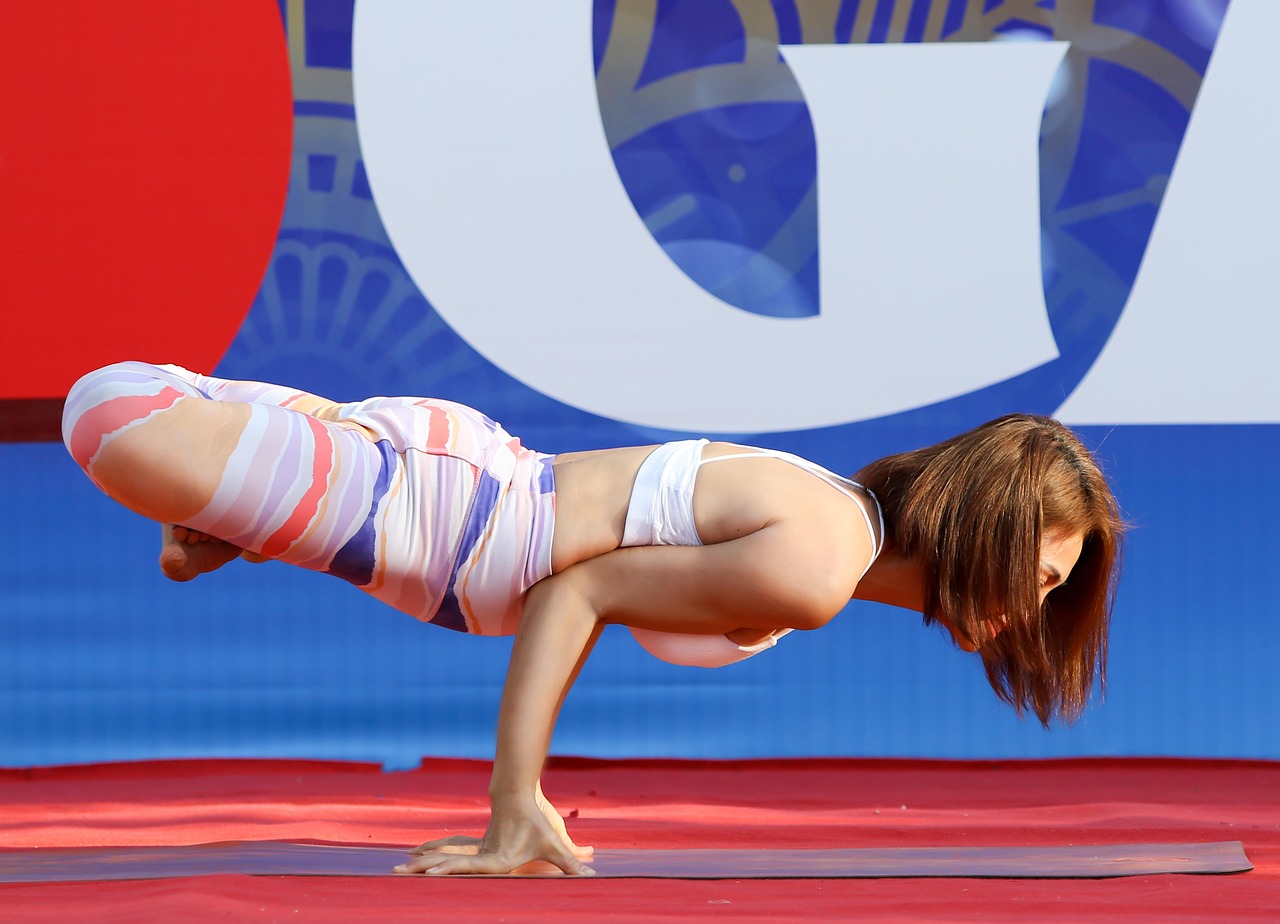

How to Create a Flexibility and Coordination Workout Plan
Creating a targeted flexibility and coordination workout plan requires understanding the fundamental principles behind both aspects. Flexibility is the ability to move joints and muscles through their full range of motion, while coordination refers to the body’s ability to execute movements smoothly and efficiently. To enhance flexibility, it is essential to incorporate stretching exercises that lengthen and relax the muscles. Coordination, on the other hand, can be developed through activities that require balance, agility, and precision. Start by assessing your current levels of flexibility and coordination with simple tests. This assessment helps in identifying which areas require more focus and improvement. Incorporate a variety of exercises including dynamic stretching, static stretching, and coordination drills. Remember to include warm-ups in your plan to prepare your muscles and joints. Setting specific, measurable, achievable, relevant, and time-bound (SMART) goals for flexibility and coordination can guide your progression. Always listen to your body and modify the exercises to prevent injury. Gradually increase the intensity and duration of your workouts to see progress over time, and be patient as improvement may take some time.
Essential Exercises for Flexibility
In your flexibility and coordination workout plan, incorporating a variety of essential exercises can significantly enhance your results. Begin with dynamic stretches, such as leg swings and arm circles, which efficiently warm up the muscles and improve blood circulation. Follow this with static stretches like hamstring stretches, quadriceps stretches, and shoulder stretches, which help lengthen the muscles. Yoga poses such as the Downward Dog and Cobra can also benefit flexibility. Additionally, consider including PNF (proprioceptive neuromuscular facilitation) stretching, a method that involves alternating contractions and stretches, enhancing flexibility more effectively. Allocate at least ten minutes of your workout solely for flexibility training to maximize benefits. You can utilize foam rollers to aid in self-myofascial release, easing muscle tightness and improving overall flexibility. Another valuable practice is the inclusion of dance or martial arts, as they naturally promote both balance and flexibility through their movements. Always keep your breathing steady while stretching, as this contributes to muscle relaxation. With consistent practice and patience, you will ultimately witness marked improvements in your overall flexibility.
To develop coordination in your flexibility workout, it is essential to include exercises that challenge balance and spatial awareness. Activities that demand focus and control, like single-leg stands or balance beam walks, improve proprioception. Additionally, incorporating agility drills, such as ladder exercises or cone drills, can enhance your coordination. You could also try trampoline activities, which encourage body awareness and timing. Start with basic coordination exercises and progressively increase complexity as your skills improve. Combine movements like lunges with arm reaches or incorporate a medicine ball for added challenge. Remember, the goal is to gradually engage all muscle groups and enhance your body’s ability to execute movements smoothly. Integrate fun activities like dance or sports that naturally require flexibility and coordination, fostering enjoyment while challenging the body. As your coordination improves, you will notice a positive impact on everyday activities, making movements easier and more fluid. Keeping track of your progress in coordination tasks can be motivating. Set achievable milestones and reward yourself when you reach them. Ensuring these exercises are part of your routine fosters greater motivation and improvement.
Practice Mindfulness for Better Performance
Another important aspect of maximizing the effectiveness of your flexibility and coordination workout plan is practicing mindfulness. Mindfulness not only calms the mind but also enhances the connection between the mind and body. Focusing on your breathing, muscle sensations, and movements during exercise can improve your awareness and performance. Before starting your workout, take a moment to center yourself, visualize your goals, and set a positive intention for your training session. While practicing flexibility exercises, pay attention to how your body feels, which encourages a deeper stretch and better results. Additionally, incorporating mindfulness techniques during coordination drills helps maintain focus and precision. Simple mindfulness practices like deep breathing and body scans can help ground you and decrease the risk of injury. Regular mindfulness practice can lead to a more profound understanding of your body’s limits, thereby promoting safer and effective workouts. Consider using guided meditation apps to develop mindfulness skills similarly. By nurturing your mental engagement with flexibility and coordination, you will not only see physical improvements but also foster a sense of enjoyment and fulfillment in your workout.
Incorporating certain tools can also significantly enhance your flexibility and coordination workout plan. Utilizing resistance bands, for example, aids in stretching and strengthening. They can provide assistance or resistance needed to improve muscle control and range of motion. Similarly, stability balls or Bosu balls can enhance balance and coordination exercises, increasing their effectiveness. These tools challenge your stability and can lead to significant improvements over time. Seek out equipment specifically designed to aid flexibility, such as yoga straps, which facilitate deeper stretches. Furthermore, remember that proper hydration plays a critical role in muscle function and flexibility. Always ensure you are adequately hydrated before and during your workouts to maintain optimal performance levels. Introducing variety to your workout routines is also essential to keep your training stimulating and engaging. Disrupt the routine regularly by trying new activities or exercises to avoid stagnation. Keeping workouts fresh can enhance overall adherence to your fitness plan. Engaging your muscles differently will allow for continual adaptation and growth, helping to achieve desired flexibility and coordination goals. Stay dedicated and keep experimenting with different tools and activities.
Monitor Progress and Make Adjustments
Monitoring your progress is crucial in a flexibility and coordination workout plan, as it allows you to evaluate what is effective and what may require adjustments. Start by keeping a fitness journal to track the exercises you perform, durations, and how your body responds to each. Visual progress, such as improved range of motion or the ability to hold a stretch longer, showcases tangible results. Set regular check-ins to assess your goals, and don’t hesitate to modify your workout according to your needs. Understanding that improvement may not always be linear is essential; it’s normal to have plateaus. By documenting your experiences, you can identify patterns, correlating exercises that yield the best results for your body. Adjust your workout frequency and intensity based on documented feedback to optimize your routine. Incorporate more diverse movements to challenge both flexibility and coordination further. If specific exercises cause discomfort, be proactive and explore alternatives. Remain patient and enthusiastic about your growth, as persistence is key. Progress may take time, but the results will be worth the effort once the flexibility and coordination becomes part of your fitness repertoire.
Finally, a well-rounded approach to nutrition can complement your flexibility and coordination workout training. Ensuring ample protein intake supports muscle recovery and growth after workouts. Calcium and magnesium, commonly found in dairy, leafy greens, and nuts, promote strong bones and muscle function, key components for successful workouts. Additionally, consider incorporating foods rich in healthy fats, such as avocados or nuts, which reduce inflammation and facilitate recovery. Staying consistent with a balanced nutrition plan can improve your energy levels, enabling you to train harder and more effectively. Including an array of colorful fruits and vegetables ensures you receive essential vitamins and minerals, boosting your overall well-being. Omega-3 fatty acids and antioxidants help in alleviating soreness and promoting muscle repair, working together harmoniously with your flexibility and coordination efforts. Furthermore, meal prepping ensures that you have healthy and nutritious options readily available, making dietary choices simpler and more convenient. Aiming for proper pre-and post-workout nutrition energizes your training sessions, fueling your body for peak performance. As your flexibility and coordination grow, nutrient-rich foods will support your ongoing fitness journey and improve your overall health.