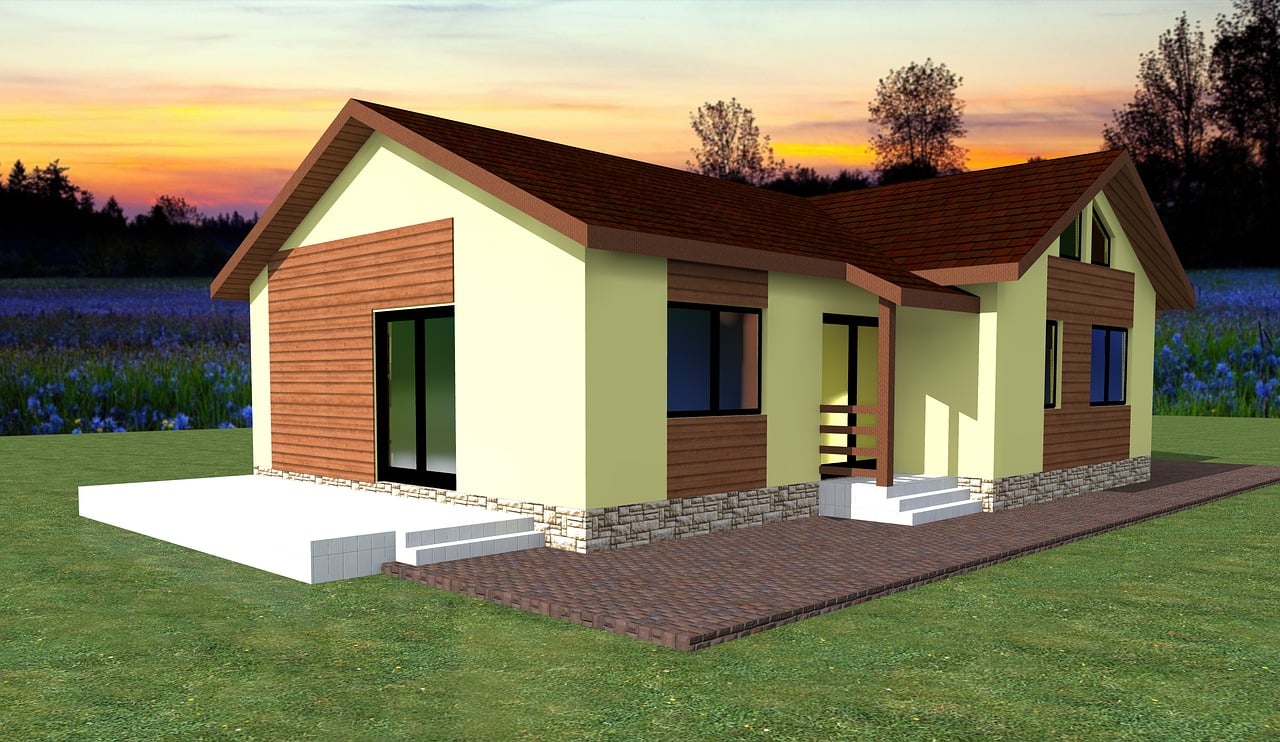

How Passive Solar Design Supports Environmental and Personal Fitness
Passive solar design is an innovative approach that integrates natural energy to create livable spaces that enhance both environmental and personal fitness. This design method leverages sunlight for heating and lighting, reducing reliance on artificial systems. By incorporating elements such as large south-facing windows, thermal mass, and overhangs, buildings can maintain comfortable temperatures throughout the year. Consequently, energy consumption lifts, leading to healthier ecosystems. Furthermore, this design contributes to air quality improvement and climate resilience, which in turn promotes occupant well-being. Incorporating green spaces helps improve mental health and reduces stress, aligning with fitness goals. Sustainable materials play a crucial role as well, offering reduced toxicity levels compared to conventional options. This interconnectedness between design and personal health forms the foundation of a holistic approach to fitness. Passive solar design is not merely about energy efficiency; it also embodies a lifestyle that encourages outdoor activities and sustainable living practices. Energy-efficient homes equipped with such designs help residents effectively achieve climate adaptation, leading to healthier communities overall. Individuals can see tangible benefits, blending comfort with responsible stewardship of our planet. The future of architecture relies on incorporating such environmentally friendly strategies.
Improving Energy Efficiency and Wellness
The energy efficiency of passive solar designs contributes to overall wellness by lowering the energy bills and reducing environmental footprints. This design method serves as a cornerstone for green building, fostering a beneficial environment that influences physical and mental well-being positively. Buildings that retain heat in winter and keep cool in summer minimize the need for artificial heating and cooling systems. By reducing energy consumption, residents enjoy more economic relief and engage more actively in outdoor physical activities. This leads to improved community interaction and personal fitness. In addition to financial savings, passive solar designs contribute to better indoor air quality, keeping spaces fresh and inviting. Natural ventilation, for example, significantly reduces pollutants compared to standard designs. Furthermore, spaces filled with abundant natural light are known to boost mood and productivity, positively impacting overall fitness levels. Incorporating green roofs can also provide insulation benefits while promoting biodiversity. Green structures provide unique spaces for relaxation, exercise, and social gatherings. Habitat preservation and increased vegetation around homes enhance biodiversity and help mitigate urban heat island effects. Ultimately, passive solar design nurtures the body and spirit while preserving the environment.
Passive solar design actively shapes the interaction between architecture and natural environments. This method emphasizes thoughtful placement of structures to receive maximum sunlight, which significantly enhances the building’s thermal performance. It primarily revolves around optimizing energy conservation and minimizing wastage. By shifting the building orientation, utilizing thermal masses, and implementing overhangs, structures naturally maintain comfortable indoor temperatures, leading to less reliance on temperature regulation systems. This inherent energy efficiency not only supports environmental conservation but also encourages a healthier lifestyle for occupants. Health benefits arise as residents can engage in physical activities outdoors, enjoying natural light and connected green spaces. Surrounding environments with flora and fauna promote physical fitness through enthusiastically designed spaces, including parks and gardens. Further, these surroundings provide areas for activities such as walking, jogging, or group fitness classes, harnessing community bonds. The influence of passive solar design is multi-faceted; it reshapes how individuals perceive their spaces. The result is a paradigm shift towards more sustainable living practices among the populace. This design philosophy enhances not just the health of buildings but also fosters a healthier community, illustrating the correlation between environmental well-being and personal fitness.
Environmentally Friendly Materials
The choice of materials plays a significant role in passive solar designs, specifically concerning sustainability and health. Opting for locally sourced, renewable materials minimizes carbon footprints and contributes to tighter energy communities. These materials reduce harmful emissions upon usage and ultimately promote better air quality for inhabitants. For instance, utilizing reclaimed wood or recycled materials in construction minimizes waste. Likewise, low-VOC paints, coatings, and finishes help create healthier indoor environments by limiting dangerous pollutants. Such eco-friendly options provide stability and comfort without compromising the quality of life. The integration of natural materials also enhances aesthetics, making spaces feel warmer and inviting while fostering a deeper connection to nature. Moreover, incorporating energy-efficient windows and insulation further improves the environmental quality of buildings. Features such as triple-glazed windows allow light in while preventing unwanted heat transfer. This approach aligns with personal fitness goals, promoting healthier indoor experiences. Educating building owners on these elements fosters a comprehensive understanding of their choices, emphasizing their responsibility toward environmental health. Passive solar designs are an investment in the present and future that pays off in energy savings and improved well-being. This accountability fosters healthier living spaces that nurture sustainable habits.
Integration of indoor and outdoor spaces characterizes successful passive solar design while aligning with fitness principles. Creating seamless transitions encourages residents to utilize outdoor areas effectively, boosting physical activity levels. This design feature enhances a sense of community and interaction among neighbors. Additionally, terraces, balconies, or gardens offer spots for relaxation or exercise, forming individual fitness ecosystems. Open floor plans maximize natural light, promoting well-being while minimizing the mental clutter that often arises in conventional space layouts. Such interactions foster connections between natural surroundings and personal health goals, promoting a comprehensive fitness mindset. Furthermore, passive solar design creates opportunities for urban gardens or culinary spaces to thrive, allowing individuals to grow their own produce. These practices support not only sustainable living but also healthier diets. Engaging in gardening or simply spending time outdoors releases endorphins, contributing to an improved mood. Such mental benefits are crucial in today’s urban lifestyle, where people often face numerous stressors. Connectivity via public transportation and walkable neighborhoods invites further exploration for passive solar designs. This aspect promotes community cohesion while empowering individuals to pursue fitness regimens in safe, green environments that stimulate physical and psychological well-being.
Fostering Sustainable Communities
Passive solar design encourages a sense of environmental responsibility, fostering sustainable communities dedicated to continuous improvement. Culturally, these designs emphasize harmony with nature, urging participation in green practices and eco-friendly initiatives. Through community programs centered around sustainable living, residents actively engage with each other while promoting collective fitness goals. Initiatives such as community gardening or recycling drives build relationships between participants and the environment, benefiting overall wellness. These activities channel efforts toward raising awareness about sustainable practices while promoting healthy lifestyle choices. Moreover, embracing renewable energy sources alongside passive solar methods further elevates community sustainability. By joining forces, residents can transition toward cleaner energy alternatives and optimize their buildings together. This collaboration strengthens community ties, allowing them to address challenges collectively. Since passive solar design fosters environments for exercise and social interaction, it ultimately cultivates healthier populations. Regular fitness events organized in public spaces punctuate this trend, enriching community life while integrating fitness into daily routines. These collaborations lead to the creation of safer, healthier spaces tailored toward enhancing personal and environmental well-being. As a result, passive solar design transcends aesthetics, enriching lives and achieving symbiotic relationships between communities and nature.
Looking forward, passive solar design promises significant advancements in promoting environmental and personal fitness. Innovative technologies emerge, integrating intelligent systems to monitor energy usage and enhance building performance. The rise of smart materials, enabling adaptive thermal control, will improve energy efficiency dramatically while maintaining comfort. Combining such technologies with existing passive strategies enables a holistic approach to building design. This future-oriented perspective necessitates a continuous reevaluation of architectural practices centered on well-being while intensifying interest in sustainable practices. With increased public awareness towards climate change, more homeowners will seek designs that reflect these values. Passive solar design encourages vitality as residents harness nature’s resources, boosting both mental and physical health. Society’s shift toward minimalism and sustainability reinforces these outcomes. Builders, architects, and planners’ roles will evolve in fostering a deeper connection between design and occupants’ fitness. Educational efforts play a vital role in promoting awareness of passive strategies среди diverse populations and demographics. Collective action and shared responsibility will yield significant improvements across communities. The acceptance of passive solar design paves the way for the next phase of architectural evolution, inspiring recognition of our role in preserving the environment while prioritizing health.