
How Does Core Strengthening Improve Daily Functional Movements?
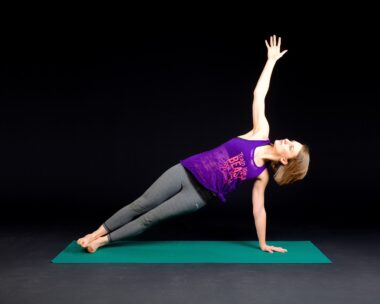
Core strengthening involves targeting the muscles in your abdomen, lower back, hips, and pelvis. These muscles play a critical role in stabilizing your body during daily activities. By improving strength in this area, you will see enhanced balance and stability in various functional movements. Engaging in core workouts can also help to prevent injuries, particularly in the lower back, which might be caused by weak stabilizing muscles. Many functional movements like bending, lifting, and twisting require a strong core. Additionally, better core strength improves posture during sitting and standing, which can mitigate back pain. In daily life, a strong core allows for improved performance in tasks such as climbing stairs, playing sports, or even just walking. Over time, the benefits of core workouts accumulate, leading to more efficient movement patterns. As you strengthen your core, you’ll also notice improvements in other areas of fitness, such as endurance and flexibility. Programs that focus on strengthening the core usually include exercises such as planks, bridges, and abdominal crunches, effectively targeting these crucial muscle groups and enhancing overall functional capacity.
Another significant advantage of core strengthening is the enhancement of overall athletic performance. A strong core serves as a foundation for all major movements, allowing you to transfer energy effectively throughout your body. Proper engagement of core muscles leads to better power output, speed, and agility, which are essential for success in various sports. Whether you’re running, swimming, or playing basketball, a solid core supports better coordination and drive during these activities. Furthermore, athletes often experience less muscle fatigue, thanks to efficient energy transfer made possible by strong core muscles. This translates into improved stamina during workouts and competitions. Additionally, better core strength contributes to increased endurance, enhancing your ability to sustain physical activity longer without tiring easily. Athletes can maintain their form and technique for extended periods, leading to improved performance outcomes. Regular core training can also lead to faster recovery times post-exercise. This means that athletes who prioritize core strengthening will find themselves less prone to overuse injuries, experiencing heightened performance and quicker recovery, ultimately extending their athletic careers significantly.
Core strength exercises are not limited to traditional gym environments; they can easily be incorporated into everyday routines. Simple movements can be performed at home or outdoors, making core strengthening accessible to everyone. For instance, exercises like bodyweight squats, lunges, and planks require minimal equipment or no equipment at all. Even integrating simple movements such as standing on one leg while brushing your teeth can significantly contribute to core stability. Moreover, using tools like stability balls and resistance bands increases the effectiveness of your workouts while adding variety. Incorporating such exercises gradually into your life ensures consistency, making it easier to maintain motivation. Core workouts can be modified for people of all fitness levels, allowing you to progress as your strength improves. The key to lasting results lies in consistency. Aim for at least two to three sessions per week, focusing on a mix of exercises to challenge different muscles. With commitment and regular practice, the benefits of core strengthening will evoke noticeable improvements in your daily routines and overall quality of life. Embrace the journey of functional movement optimization.
The Role of Core Strength in Posture
Posture plays a vital role in your overall wellness and is significantly influenced by core strength. Weak core muscles can lead to poor posture, which is often seen in individuals who sit for extended periods. Poor posture can result in various issues such as neck pain, back pain, and fatigue over time. Strengthening your core promotes proper spinal alignment, reducing the stress on your muscles and joints. This improvement in posture further enhances breathing efficiency and digestion, contributing to overall health. Improved posture allows you to showcase confidence in social and professional settings, impacting both psychological well-being and interactions with others. As your postural alignment improves, daily activities such as walking, sitting, or standing become easier. Your body feels more aligned, leading to reduced discomfort and an overall sense of well-being. Moreover, maintaining good posture helps prevent chronic pain, which can dramatically affect your daily routines. If you’re looking for an easy way to integrate core exercises into your daily life, consider taking short breaks to engage in stretches and strengthening movements. This will lead to greater success in achieving a strong and stable core.
Incorporating core strengthening into your fitness routine improves balance and coordination. This skill enhancement is essential for daily functional movements, especially as we age. Falls are one of the leading causes of injury in older adults, but maintaining core strength reduces that risk significantly. Balance is closely linked to core stability, and with improved coordination, you can navigate various terrains more safely. Engaging in core workouts helps develop proprioception—your body’s awareness of its position in space. This sense allows you to react appropriately to unexpected movements, enhancing your ability to stay upright. Additionally, activities such as yoga and Pilates, which focus on core strength, can further improve balance, flexibility, and mental focus. Regularly practicing these forms of exercise ensures that your stability continues to improve. Children, athletes, and seniors alike can benefit from a strong core, enhancing their ability to perform activities in a more controlled manner. A strong foundation leads to greater confidence in your movement, encouraging participation in a variety of physical activities. As you enhance your stability, you’ll also notice an increase in your overall fitness performance.
Beyond physical impacts, core strengthening contributes to mental well-being as well. Engaging in a structured core workout routine can have significant psychological effects on your mindset. The focus required in core exercises fosters mindfulness, allowing you to be present during workouts. This mental engagement can serve as a form of stress relief while encouraging self-discipline and resilience. As you see improvements in your core strength, a sense of accomplishment boosts your self-esteem, encouraging continued dedication to fitness. Furthermore, regular physical activity, including core workouts, releases endorphins, which are known as the body’s natural mood lifters. This chemical response can combat feelings of anxiety or depression and promotes a healthier outlook on life. With each improvement in your physical capabilities, your mental resilience strengthens, contributing to a positive feedback loop. Additionally, when fitness becomes a habit, it creates a structured routine in your life, leading to overall improved time management and prioritization. Finding ways to integrate physical activity into your daily life not only bolsters core strength but also enhances your mental health and emotional wellness.
Common Misconceptions About Core Strengthening
There are many misconceptions regarding core strengthening that can hinder progress. One prevalent myth is that core workouts only involve crunches or sit-ups. In reality, core strengthening encompasses a wide range of exercises targeting not just the rectus abdominis (the “six-pack” muscle) but also deeper muscles such as the transverse abdominis and obliques. Functional movements utilize multiple muscle groups, which can be engaged through planks, stability ball exercises, and resistance training. Another myth is that strong core muscles alone will solve back pain issues. While a strong core is essential, issues can stem from various factors such as muscle imbalances or improper posture. It’s essential to address these factors with a comprehensive fitness approach. Furthermore, many believe that core workouts will yield immediate results; however, building a strong core takes time and consistency. Lastly, some think that core strength is solely about aesthetics rather than functional capability. In truth, a strong core is integral for daily activities and injury prevention. By debunking these myths, individuals can develop a more effective approach to core strengthening, maximizing benefits and improving overall health.
In conclusion, core strengthening is a critical component to enhancing daily functional movements. By investing time and effort into core exercises, you set the foundation necessary for improved athletic performance, injury prevention, and better posture. This development positively affects not just physical capabilities, but also mental well-being, making it a holistic practice. As you engage in various core workouts, you may notice a boost in balance, stability, and overall functional performance in everyday tasks. It’s essential to approach core strengthening with an understanding of its daily application, recognizing that strong core muscles underpin many movements we take for granted. Integrating core workouts into your fitness regimen can lead to a healthier lifestyle and improved standard of living. Establishing a consistent schedule focused on core engagement fosters a lifelong commitment to fitness. Celebrate every improvement, no matter how small, as these victories build upon one another over time. As you progress, you cultivate not only a stronger core but also a more resilient, adaptable body. Remember to consult fitness resources or a professional if you have questions, making your journey as effective and enriching as possible.