
Incorporating Taekwondo into Your Daily Fitness Routine
Taekwondo is not just a martial art; it is a full-body workout that enhances strength, flexibility, and endurance. Integrating Taekwondo techniques into your daily fitness regimen can lead to impressive health benefits. To seamlessly add taekwondo into your routine, start with basic movements such as blocks, kicks, and stances. These foundational skills not only improve martial skills but also develop muscle tone and flexibility. Incorporating punches and sparring drills allows for a balanced workout that targets multiple muscle groups. Gradually, by focusing on both cardio and strength training, you can create a routine that aligns with your fitness goals. Utilizing training videos or online classes can aid in honing your Taekwondo skills from home, aligning convenience with efficiency. Setting clear and specific goals helps maintain motivation throughout your journey, whether they are strength, flexibility, or mastery of skills. Remember, consistency, and dedication are the keys to progress in taekwondo. Seeking feedback from instructors or peers ensures techniques are performed correctly, allowing you to avoid injuries while maximizing effectiveness during workouts. Taekwondo techniques can also be adapted for various fitness levels.
Benefits of Taekwondo Training
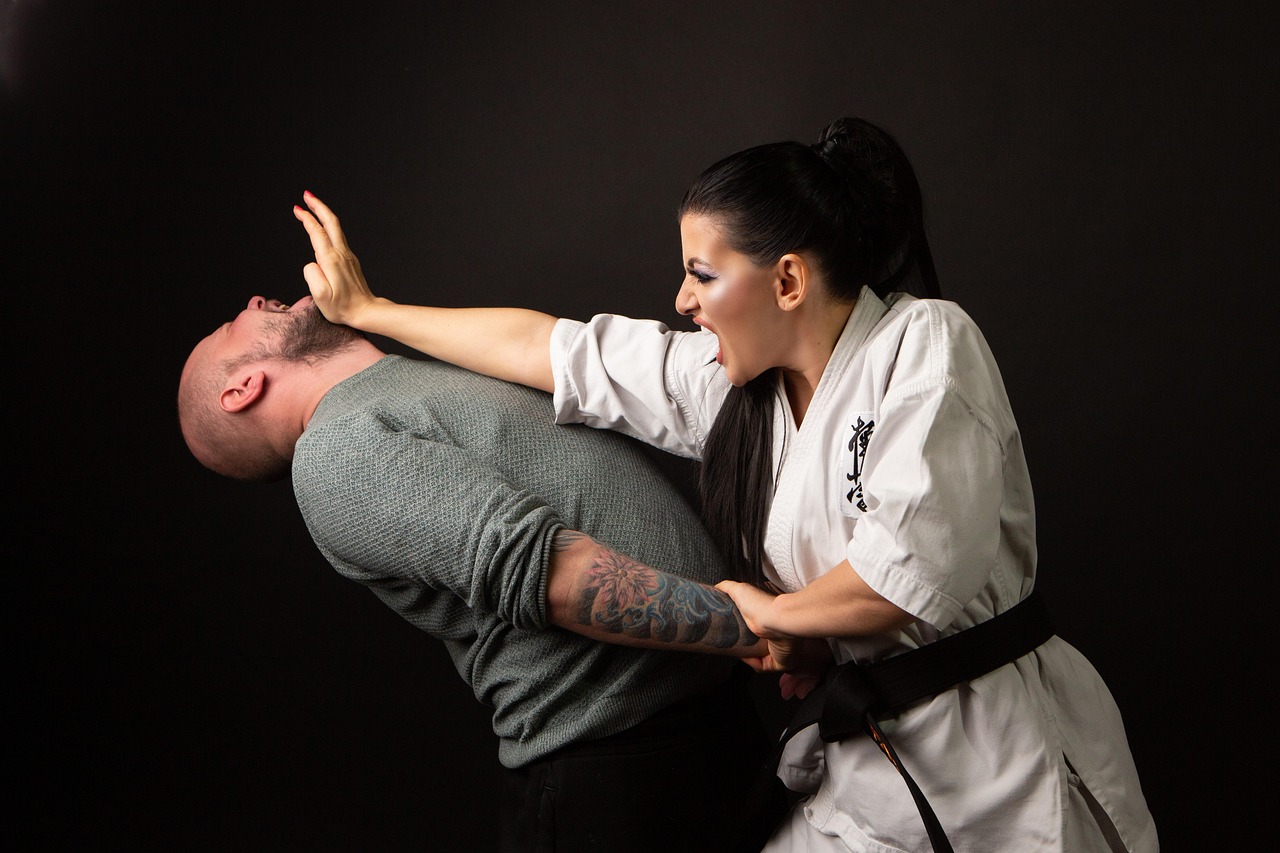
Incorporating Taekwondo into your daily fitness brings a plethora of benefits. Primarily, it enhances flexibility through a variety of kicking techniques that often stretch the legs and core. This increased flexibility significantly reduces the risk of injuries during other physical activities. Moreover, regular Taekwondo practice leads to improved cardiovascular health, as it elevates heart rates during dynamic routines and sparring sessions. Furthermore, it helps develop muscular strength, particularly in the legs and core, by engaging in powerful punches and kicks. Notably, practicing Taekwondo also promotes mental health; it helps alleviate stress and anxiety, providing a constructive outlet. Each kick and punch not only provides a form of physical expression but promotes mindfulness and focus. Social interaction during training sessions fosters a sense of community, creating supportive networks for practitioners. Additionally, Taekwondo teaches discipline and respect, which can positively influence attitudes outside the dojo. Lastly, it serves as a functional form of self-defense. By mastering various techniques, you can feel more secure in everyday situations. Embracing Taekwondo in one’s fitness journey creates a holistic approach to health.
When starting Taekwondo, it’s vital to wear the proper gear. The appropriate attire, including a gi (uniform) and protective equipment, are essential for safety and comfort. A well-fitted uniform allows for ease of movement, unrestricted by tight clothing. Essential protective gear, such as foot pads, headgear, and mouth guards, ensures safe practice during sparring sessions. Additionally, as you progress, consider training with quality martial arts shoes that provide grip and support. Besides gear, a focused warm-up routine is crucial. This routine should include dynamic stretches, shadow boxing, and mobility exercises to prepare the body for intense movement. Preparing properly indeed reduces the likelihood of injury. Following practice, a cool-down with static stretching aids recovery by alleviating muscle soreness. Hydration is another key element to maintain performance level; consuming water before, during, and after workouts is important. Surprisingly, managing your nutrition can further enhance performance. Eating a balanced diet rich in proteins, carbohydrates, and healthy fats fuels the body for increased stamina. Overall, being mindful of gear and proper techniques promotes a safer and more enjoyable Taekwondo journey.
Incorporating Sparring into Workouts
Sparring is an exciting way to incorporate Taekwondo into your training regimen. Engaging in controlled sparring sessions enhances both technique and tactical thinking. By facing opponents, practitioners learn to react quickly and develop timing and distance control. It’s crucial to approach sparring with a clear mindset; understanding its main goal is to apply techniques effectively while remaining safe and respectful. Begin sparring within a structured environment, such as a dojo led by an instructor. This allows you to gain practical experience while receiving immediate feedback. Non-contact sparring can also be helpful for beginners, as it lets individuals practice movements without the fear of injury. Utilizing drills that simulate sparring environments helps develop reflexes and adaptability, important for real-life scenarios. After sparring, take time to analyze your performance, noting areas for improvement. This reflection fosters continual growth, which is beneficial in martial arts training. Additionally, combining sparring sessions with aerobic exercises, like jumping rope, can build cardiovascular endurance. Regular practice of these techniques prepares one for competitions or self-defense trials while creating a fun and engaging workout environment.
Taekwondo’s diverse techniques can also enhance overall physical conditioning. Consider integrating forms and patterns, known as poomsae, into your fitness routine. These sequences teach essential movements that boost coordination and strength, while also serving as an incredible workout. Each poomsae embodies different stances, transitions, and kicks, requiring focus and precision. The memorization and execution of patterns challenge both the mind and body, improving cognitive function along with physical abilities. Moreover, adding interval training can maximize workouts; alternating between high-intensity drills and periods of rest not only builds stamina but keeps training exciting. Cardiovascular components, like running or cycling, enhance aerobic capacity, supplementing Taekwondo’s anaerobic workout. This diversification keeps the body challenged and engaged. Also, utilizing kickboxing-style workouts can replicate Taekwondo’s dynamic movements, making it accessible to those who might not participate in traditional classes. Consistent progress and personal achievement will boost confidence in one’s abilities. Ultimately, the incorporation of poomsae with added fitness elements promotes an enjoyable and effective fitness journey as you explore your physical potential through Taekwondo.
Mindfulness and Taekwondo
Taekwondo training incorporates mindfulness practices that elevate the physical experience into a meditative journey. Through focused breathing and concentration, martial artists cultivate a mind-body connection essential for balance and agility. This practice encourages an awareness of movements while promoting relaxation, especially during challenging routines. Additionally, mindfulness during Taekwondo enhances cognitive aspects such as decision-making and reaction speed, vital in sparring or competition. Engaging in meditation before or after practice helps clear your mind, sharpening focus for training. Pairing breath control with vigorous movements allows practitioners to maintain composure under pressure. Understanding the principles of Taekwondo fosters respect for oneself and others, building camaraderie within classes. Other benefits include the reduction of stress levels, as practitioners learn to channel emotions positively through physical activity. Achieving a state of flow while practicing also leads to time spent in reflection, promoting personal growth. As with any fitness regimen, finding balance is crucial; Taekwondo should be enjoyable rather than overly intense. Incorporating moments of calm helps maintain dedication without burnout, ensuring long-term commitment. Ultimately, the synergy of mindfulness and Taekwondo creates a well-rounded fitness experience.
In conclusion, embracing Taekwondo as part of your daily fitness routine leads to numerous benefits. The incorporation of martial arts principles yields significant improvements in physical attributes, mental health, and overall well-being. Through tailored workouts that include basic movements, sparring, and poomsae, you will develop a balanced fitness regime. This transformative journey also emphasizes the importance of proper technique, nutrition, and recovery methods to maximize performance safely. The social aspects of training foster a supportive community that motivates you to stay committed. Each session can be a rewarding experience, whether practiced alone or within a group. By understanding the mindfulness perspective in Taekwondo, practitioners can cultivate a deeper connection with their practice, enhancing their overall experience. Setting realistic goals further promotes sustained motivation and excitement while tracking progress helps celebrate milestones achieved along the way. Taekwondo not only enhances physical capabilities but also enriches lives with valuable teachings of respect, discipline, and resilience. Therefore, take advantage of this versatile martial art and start incorporating Taekwondo today, ensuring you seize your fitness journey with enthusiasm.
It’s important to remember that practice and determination will guide you through challenges. With dedication, the rewarding views from your martial arts journey can lead to a fulfilling lifestyle. Enjoy the process of learning and growing through Taekwondo.