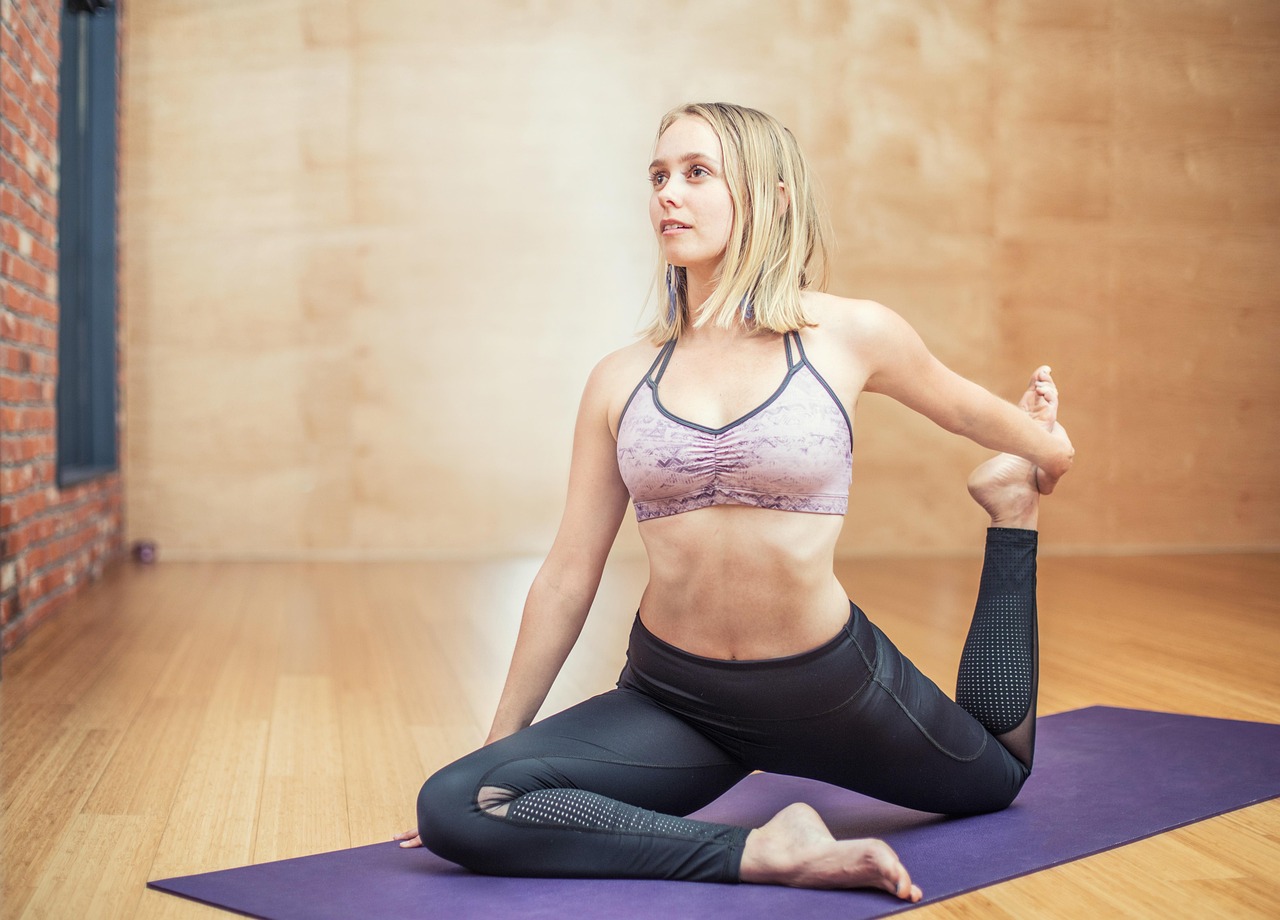

Combining Pilates with Nutrition for Postpartum Wellness
Postpartum wellness is crucial for new mothers navigating their recovery journey. Pilates, a low-impact exercise, focuses on rebuilding strength after childbirth. With regular practice, Pilates can promote physical rehabilitation, enhance core strength, improve posture, and support overall recovery. It emphasizes controlled movements and breath, which are beneficial in aiding recovery. Nutrition plays an equally vital role; a balanced diet provides the necessary nutrients for healing. Many women encounter challenges finding time or energy for meals while managing a newborn. Thus, meal prepping and planning healthy snacks are essential strategies. Self-care cannot be overlooked, as balancing physical activity with proper nutrition helps restore a feeling of wellness. Women should contemplate collaborating with a nutritionist to create tailored meal plans that support their recovery process. Learning about wholesome foods can empower new mothers. Incorporating protein-rich options and fibrous vegetables aids recovery and improves energy levels. Consider using this time to experiment with healthy recipes that favor speed and nutrition for optimal postpartum health. Attending Pilates classes or joining community groups can enhance motivation and provide social support, creating a holistic approach. Connecting with other mothers may also enrich this experience.
The Importance of Core Strength
The significance of core strength post-pregnancy cannot be understated. During pregnancy, abdominal muscles stretch and weaken, requiring targeted rehabilitation. Strengthening the core plays a pivotal role in stabilizing the body and enhancing functional movements, especially when carrying infants or performing daily tasks. Pilates utilizes exercises that engage the entire core, including deep, stabilizing muscles essential for posture and balance. By focusing on these areas, women can rehabilitate effectively and sustainably. Exercises like the Pilates hundred or the pelvic curl can be particularly beneficial for postpartum recovery, promoting both strength and flexibility. Moreover, breathing techniques learned in Pilates facilitate relaxation and mental clarity, valuable attributes during motherhood. A focused approach to rebuilding core strength contributes positively to physical and emotional health. Consistent practice not only improves physiological health but may also enhance self-esteem. Many women feel empowered when they reclaim their physicality through exercises tailored for them. It’s equally important to remember to listen to one’s body, allowing space for rest and recovery in this process. Attuning to personal limits encourages a safer and more effective return to fitness following childbirth.
Nutrition for Energy and Healing
A nutritious diet fuels the body and plays a crucial role in postpartum recovery. New mothers require energy to manage round-the-clock responsibilities. A focus on incorporating nutrient-dense foods can accelerate healing and rejuvenate energy levels. Eating a variety of fruits, vegetables, whole grains, and lean proteins can create a balanced intake. Studies show that including omega-3 fatty acids, found in fish and flaxseed, can help decrease inflammation. Additionally, iron and calcium rich foods contribute to physical recovery and restorative health. Supplements might also assist in meeting nutritional needs but should be discussed with a healthcare provider. Hydration is paramount too; water intake can significantly impact mood and energy levels. Simple, wholesome meals are ideal during this period where time might be limited. Meal prepping or preparing easy-to-grab snacks benefits women trying to balance multiple tasks. Engaging family members in cooking can serve as quality time and ensure support. Mothers may also benefit from community programs that provide nutritional support or meal assistance. Ensuring proper nutrition not only aids physical recovery but also influences mood and overall well-being, positioning women for a smoother postpartum transition.
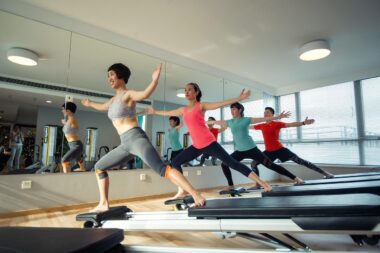
Incorporating Pilates exercises into a postpartum routine can enhance flexibility and strength in various muscle groups. This overall improvement contributes to better recovery during the postpartum period. By participating in low-impact Pilates activities, women can begin to re-establish their fitness levels safely. It’s crucial to emphasize that each postpartum journey is unique, so personalizing workout routines is essential for safety and effectiveness. Pilates instructors often adapt exercises based on individual circumstances, focusing on current fitness levels. Listening to one’s body while practicing Pilates ensures comfortable engagement and appropriate intensity. Maintaining a regular schedule eases the transition back into physical activity. It’s equally critical to remember that wellness comprises both physical and emotional aspects. Many postpartum women face emotional challenges such as anxiety or fatigue. Including mindfulness or breathwork in Pilates sessions is essential to foster mental resilience. Group classes can facilitate social connections, alleviating feelings of isolation, which frequently accompany postpartum life. Finding classes that specifically cater to postpartum women can provide supportive environments, further empowering participants in their recovery journey. Overall, balanced Pilates practice combined with nutrition creates a comprehensive approach to achieving postpartum wellness.
In conclusion, the synergy between Pilates and proper nutrition serves as a cornerstone for optimal postpartum wellness. This holistic approach not only addresses physical recovery but also fosters mental health throughout the postpartum journey. Acknowledging the necessity for self-care allows women to invest in their health and happiness. By prioritizing physical fitness through Pilates, new mothers can regain strength in a way that feels supportive. Coupled with proper nutrition, their efforts enhance energy levels necessary for caring for a newborn. Establishing a balance between exercise and dietary needs is vital for enduring wellness. Finding supportive communities, whether through classes or online forums, can enrich the recovery experience. Sharing ideas, challenges, and achievements while connecting with similar individuals offers an emotional boost. Celebrating small successes amidst obstacles fosters encouragement and resilience. As mothers cultivate a healthier lifestyle combining Pilates and nutrition, it becomes a self-empowering cycle of positivity. Finally, recognizing the importance of patience in this process bolsters a sustainable approach to postpartum health. Connecting mindfully to both body and community nurtures a vast potential for blossoming into motherhood, inspiring new lifestyles centered around health and wellness.
As you embark on your Pilates journey, consider setting realistic goals. It may be tempting to push yourself early, but gentle progression is key. Gradually increase the intensity and duration of your sessions to avoid injury. Perhaps start with two to three days a week and adjust according to your comfort and recovery. Explore different class styles, whether in-person or virtual. Online platforms offer an array of postpartum-focused Pilates classes, guiding mothers in their practices from the comfort of home. Familiarize yourself with proper alignment and techniques; ensuring safety should come first. A qualified instructor can also provide invaluable feedback. Establishing a routine deepens commitment, enhancing your likelihood of adherence in the long run. Also, consider tracking your progress, whether through a journal or fitness app. This practice clarifies how far you’ve come, serving as motivation. Engaging reflections on workouts and nutrition can help identify areas needing attention. It’s important to adapt your goals and methods as you progress through your postpartum journey. If you encounter challenges, don’t hesitate to reach out for guidance from experienced professionals in fitness, nutrition, or mental health.
Ultimately, embracing the journey of postpartum wellness through Pilates and nutrition is about valuing yourself and your experience. Creating space for gentle movement and nourishing meals fosters an improved sense of being. Celebrate the little victories, whether it’s a successful workout, a nutritious meal, or even just finding time to rest. Each action counts in building your wellness and fostering a sense of accomplishment. Create a supportive network of friends and family who encourage your goals. Seek advice from experts to ensure that your approach is safe and effective. Explore resources available, such as community programs that promote postpartum health. Connecting with professionals, such as lactation consultants or postpartum trainers, can offer invaluable support. Don’t shy away from seeking help when needed; sharing your experience creates bonds and helps navigate the postpartum landscape more effectively. As you move forward, remember that your well-being is paramount; nurturing yourself enables you to care for your child wholly. Create a self-care plan that aligns fitness, nutrition, and emotional balance for sustainable, supportive growth in this transformative time.