
The Best Features to Look for in a Fitness Tracking Dashboard
When seeking an effective fitness tracking dashboard, several key features are paramount. The first is user-friendly design. Anyone venturing into fitness technology wishes for a seamless and intuitive experience. A good dashboard should easily display critical metrics such as steps taken, calories burned, and workout duration. The second crucial feature is integration capability. A fitness app should integrate with devices like smartwatches and heart rate monitors. This integration allows users to obtain comprehensive data analysis. Additionally, customization options come next on the list. A personalized dashboard helps users track specific fitness goals, be it weight loss or endurance building. Moreover, accurate data tracking is essential. Users depend on reliable metrics to measure their progress and keep motivated. Lastly, a social component enhances the experience, encouraging interaction and accountability among friends and community members. Together, these features construct an ecosystem of support and motivation that enhances fitness journeys. Keeping these attributes in mind will greatly improve your experience with fitness tracking dashboards.
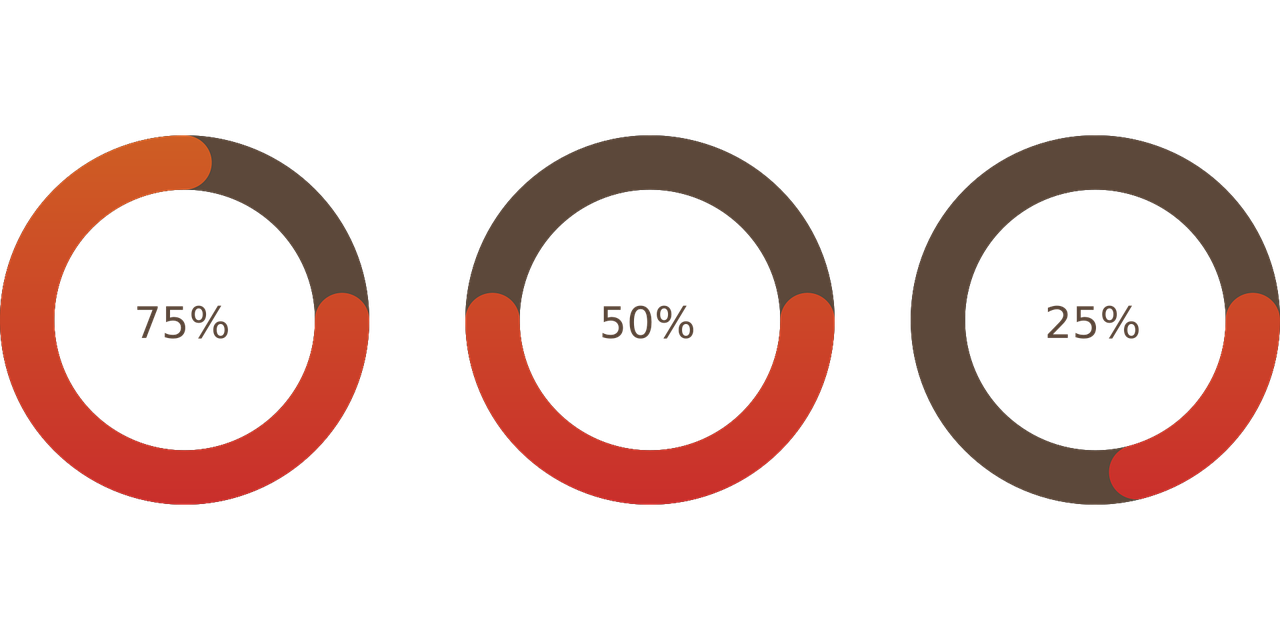
The accuracy of data is vital when considering a fitness tracking dashboard. The incorporation of GPS tracking significantly enhances this feature, especially for outdoor workouts. A good dashboard should record all relevant information during activities like running or cycling. Real-time feedback on performance can help users adjust effort effectively. Following accuracy, an analytical perspective is beneficial. An effective fitness dashboard should provide insightful analytics. This includes trends over time, such as performance improvements or declining metrics. By analyzing this information, users can make informed decisions about their routines and progress. Furthermore, visual representation of data, such as graphs and charts, greatly aids comprehension. Users can easily identify patterns and milestones that warrant acknowledgment and motivation. Another excellent feature is the inclusion of challenges or gamification elements. These aspects not only promote engagement but also foster a sense of community. Engaging with communities allows users to partake in challenges, enhancing both competition and support. Collective experiences create a positive atmosphere that leads to improved motivation for all participants in their fitness journeys.
Customization & Personalization Options
Another critical feature of a fitness tracking dashboard is the ability to customize the user experience. Allowing users to personalize their dashboard according to their fitness goals heightens engagement. Some individuals may prefer focusing on strength training metrics, while others might prioritize cardio-related statistics. Customization options enable users to select which data they see first, tailoring the workout data to their preferences. Additionally, having the flexibility to create personalized workout plans enhances user motivation. Users can input their activities and create schedules that suit their lifestyle. Therefore, features that support customization options allow users to achieve specific targets, fostering a stronger connection between their routine and the dashboard. Notifications tailored to specific goals can also provide the necessary reminders and encouragement. Users can receive alerts to log workouts, track progress, or even celebrate milestones. These small nudges can significantly impact adherence and commitment to fitness goals. Moreover, some applications allow users to link with professional trainers who can assist in personalizing workouts further. As users develop their fitness journeys, flexible and adaptable dashboards significantly contribute to overall success.
Another of the essential features you should seek in a fitness tracking dashboard is mobile compatibility and accessibility. Users now demand solutions that perform well on various platforms. Mobile apps need to be compatible with both Android and iOS devices, ensuring maximum accessibility on-the-go. This compatibility means users can log their workouts, view progress, and receive updates no matter where they are. In line with this, syncing capabilities between mobile devices and other fitness tracking gadgets is vital. The ability to collect data from multiple sources makes fitness tracking comprehensive and meaningful. Additionally, offline functionality provides another layer of convenience. If users work out without an internet connection, a well-designed dashboard should still allow logging of activities. Once the users reconnect to the internet, the logged data will sync automatically, ensuring no information is lost. A responsive layout that adapts appropriately to various screen sizes enhances the overall functionality of the dashboard. By prioritizing mobile compatibility, dashboards empower users to stay committed and consistent, making their fitness journey more accessible and enjoyable.
Data Privacy and Security Measures
Moreover, as with any digital platform, data privacy and security come into play when evaluating fitness tracking dashboards. Users should have confidence in how their personal data is stored and utilized. A trustworthy fitness app should implement robust security measures to protect sensitive information, including login credentials and health-related metrics. End-to-end encryption and two-factor authentication can significantly enhance user security. Furthermore, transparent privacy policies should accompany fitness tracking apps, clearly outlining how data will be used, stored, and when it may be shared. Users should have the option to opt-out of data sharing to maintain control over their information. Providing a clear understanding of privacy settings is essential as well, allowing users to tailor their experiences to their comfort levels. Regular updates to the app should also focus on strengthening security protocols and addressing vulnerabilities. Standing behind industry compliance standards reinforces the dashboard’s overall credibility. Users should feel empowered in knowing their information is safeguarded adequately. Prioritizing these security measures is crucial to building trust and fostering a better user experience in fitness technology.
Additionally, long-term fitness motivation can be a substantial driving force in maintaining a steady workout regimen. Many fitness tracking dashboards successfully integrate motivational features to inspire users. One of the most engaging techniques is the incorporation of badges or rewards systems. Providing users with visual representations of achievements can stimulate ongoing commitment to goals. Completing challenges and earning accolades makes the fitness journey more enjoyable and less monotonous. Furthermore, regular reminders and motivational quotes can serve as daily encouragement, supporting users in overcoming hurdles. However, it is essential for motivation not to feel forced or intrusive; balance is key. Social sharing capabilities should also be considered. Sharing achievements on social media not only promotes user engagement but also cultivates a community of encouragement. A fitness dashboard fostering genuine connections among members can propel motivation levels to new heights. Encouragement from friends and family through social platforms assists users in overcoming stagnation in motivation. Positive reinforcement proves invaluable, enhancing the overall user experience in the long run and promoting a healthy lifestyle driven by camaraderie.
Conclusion
Ultimately, the best fitness tracking dashboards integrate multiple aspects to enhance user experience while ensuring progress and commitment to fitness endeavors. The combination of engaging visuals, accurate data tracking, and robust security features not only assures the users of their investment but also provides motivation and a sense of community. Using dashboards designed with the user at the center promotes happier and healthier lifestyles. As technology continues to advance, these features will only become more sophisticated. With so many options available on the market, taking the time to evaluate different applications based on the features discussed will undoubtedly improve fitness experiences. The significant impact of having a well-rounded dashboard on fitness progress cannot be overstated. Users should prioritize intuitive designs, customizable experiences, and engaging social features to find tools that resonate with their goals. As a result, the journey towards fitness can become more enjoyable and successful through thoughtful consideration of available options. Ultimately, the right fitness tracking dashboard will not only help users achieve their goals but also contribute to developing a lifelong passion for health and fitness.