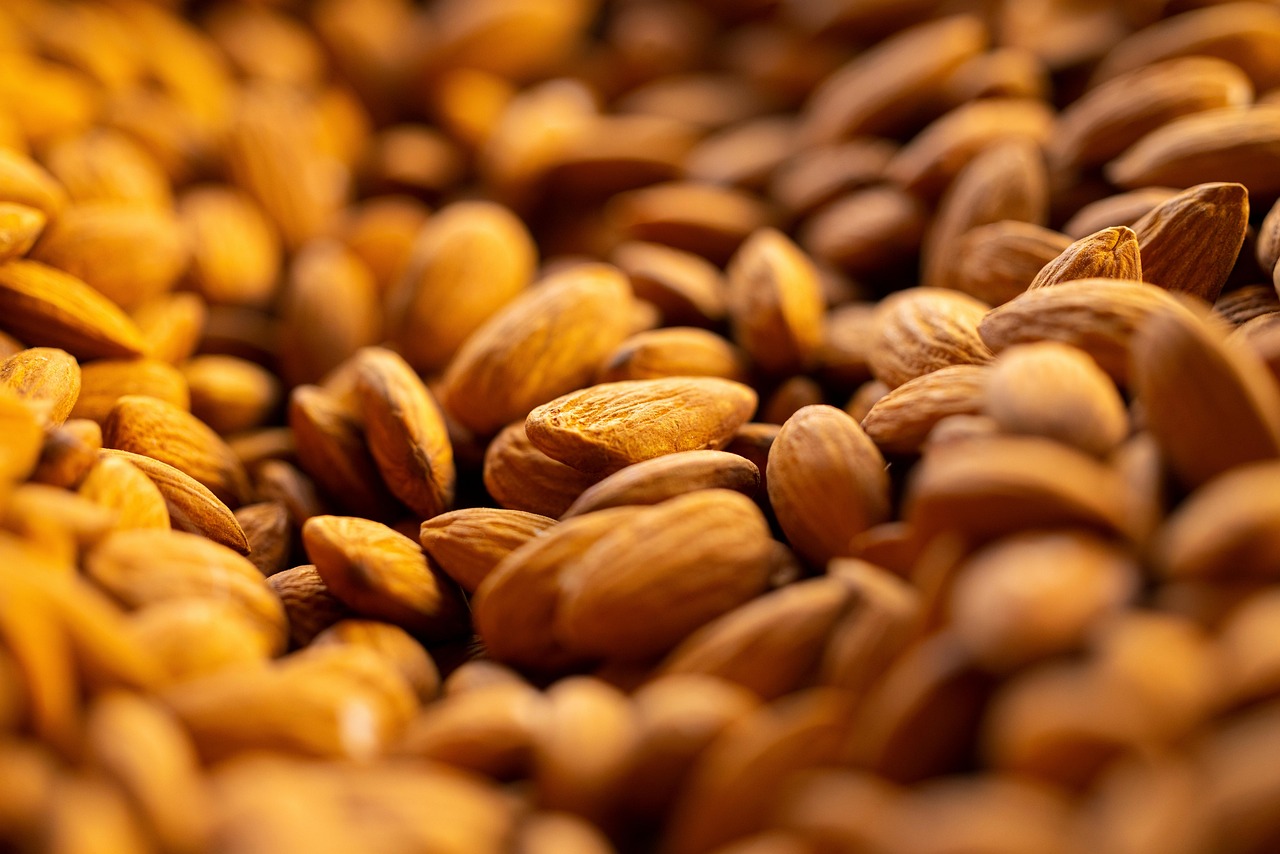

Nuts and Seeds as Essential Superfoods in Your Diet
Nutrition contributes significantly to overall health, making it essential to understand nutrient-rich foods. Among these foods, nuts and seeds stand out as powerful superfoods loaded with vital nutrients. They provide essential fatty acids, protein, fiber, vitamins, and minerals, promoting well-being in various aspects. Incorporating nuts and seeds into daily meals can be a straightforward way to enhance nutritional quality. For instance, almonds can aid in heart health due to their high vitamin E content. Similarly, chia seeds are rich in omega-3 fatty acids, which are beneficial for brain function. Moreover, walnuts contain antioxidants that combat oxidative stress. These superfoods can be added to salads, smoothies, or consumed as snacks. Their versatility makes them an ideal choice for diverse diets. By including a variety of nuts and seeds, individuals can ensure they receive a wide array of nutrients, enhancing both physical and mental health. Also, they can foster a feeling of fullness, which helps in weight management. To maximize the benefits, try incorporating a mix of different types each week.
As we dive deeper into the benefits of nuts and seeds, it’s crucial to understand the unique nutritional profiles they offer. Different varieties come with various nutrients that can play specific roles in health. For example, pumpkin seeds are an excellent source of magnesium, essential for muscle and nerve function. Additionally, sunflower seeds provide a significant amount of vitamin E, a powerful antioxidant. This vitamin helps to protect cells from damage, contributing to overall cellular health. Furthermore, nuts like hazelnuts and macadamia nuts offer beneficial monounsaturated fats known for their heart-protective qualities. Regular consumption of these foods can lower cholesterol levels and reduce the risk of heart disease. It’s not only the healthy fats that make them great; their fiber content supports digestion, helping to maintain a healthy gut. Many studies suggest that including nuts in your diet may also lower the risk of chronic diseases. As you explore your options, consider experimenting with different textures and flavors, from smooth nut butters to crunchy roasted seeds, making your meals both satisfying and nutritious.
Health Benefits of Nuts and Seeds
Diving deeper into the health benefits of these superfoods reveals a plethora of positive impacts on human health. Consuming nuts and seeds regularly can significantly reduce the risk of developing type 2 diabetes. This is largely attributed to their beneficial effects on insulin sensitivity and glycemic control. Studies show that people who incorporate these foods into their diet have more stable blood sugar levels. Additionally, nuts and seeds are known for their anti-inflammatory properties. Chronic inflammation is a risk factor for many diseases, including cardiovascular issues. By adding walnuts or flaxseeds, which are rich in anti-inflammatory omega-3s, individuals can help combat inflammation naturally. Furthermore, these superfoods can improve brain health; the presence of antioxidants and healthy fats in nuts like pistachios supports cognitive function and memory. They are also great for skin health, as some, like Brazil nuts, are rich in selenium, promoting healthy skin and hair. Overall, these foods are not just tasty but serve as an excellent backbone for a balanced nutrient-rich diet all around.
To maximize the incorporation of nuts and seeds into your diet, it’s beneficial to explore creative culinary uses. Beyond snacking, they can enhance various dishes and elevate nutrition. For instance, adding crushed almonds to oatmeal can provide a delightful crunch while infusing protein and fiber. Additionally, chia seeds can be used as a thickening agent in smoothies or as an egg substitute in baking, making them a versatile ingredient. Don’t overlook the power of homemade granola bars, where you can combine different nuts and seeds for a tasty energy-boosting snack. Nut butters serve as another fantastic alternative; spreading almond or cashew butter on whole grain toast can offer a delicious breakfast option. Furthermore, try sprinkling mixed seeds over salads or adding them to soups for added texture and flavor. They can also greatly enhance protein shakes or energy balls, adding both nutrition and satiety. Experimenting with this variety can help to prevent monotony in meals while reaping the numerous health advantages they offer. Including these superfoods creatively encourages lifelong healthy eating habits.
Choosing the Right Nuts and Seeds
When selecting nuts and seeds, it’s crucial to consider quality and form to gain the most health benefits. Opting for raw or dry-roasted varieties provides the best nutritional value, steering clear of sorts coated in unhealthy oils or heavy salt. Pay attention to portion sizes as well; they can be calorie-dense, meaning moderation is key. A handful can be a great daily serving. Sourcing the freshest products possible ensures you are consuming nuts and seeds at their peak quality. Look for bulk bins or reputable brands that prioritize quality. Organic options are available and often provide cleaner produce without pesticides. Additionally, incorporate diversity in the types of nuts and seeds you consume to cover a broad spectrum of nutrients. For example, pairing walnuts with flaxseeds can ensure a balance of essential fatty acids, protein, and minerals. Snack variety is important as it keeps dietary routines interesting along with nutritious. Lastly, storing your nuts and seeds in a cool, dark place can prolong their shelf life, maintaining freshness and flavor for daily consumption.
For those on specific diets or with allergies, alternatives are available to incorporate these nutritious foods effectively. Nut allergies are common, but nut-free seed options like sunflower and pumpkin seeds maintain the same superfood qualities. Sunflower seeds offer healthy fats, fiber, and protein, making them an excellent substitute. Additionally, tahini, made from sesame seeds, can serve as a versatile dressing or spread. For individuals pursuing plant-based diets, nuts and seeds are vital sources of protein and essential nutrients to meet dietary needs. They compete favorably with animal protein sources, supporting muscle growth and repair. Incorporating alternatives like quinoa or chickpeas alongside nuts and seeds ensures a comprehensive amino acid profile. Various foods can creatively combine to form meals, like seed-veggie burgers or energy balls made with dried fruits and seeds. Keep exploring options to ensure a satisfying and nutritious diet tailored to individual lifestyle preferences. Ultimately, including different foods in your diet can significantly enhance overall nutrient absorption while satisfying dietary requirements.
Conclusion: Embrace Nuts and Seeds
In conclusion, nuts and seeds are invaluable additions to your diet, serving as traditional superfoods with numerous health advantages. These nutrient-dense foods not only support heart and brain health but also deliver a powerhouse of protein. Including them in your meals can provide essential nutrients while satisfying cravings and improving overall well-being. Whether using them as snacks, toppings, or blends in meals, experiment to find your favorites. Their versatility ensures you can enjoy a variety of flavors and textures while reaping health benefits. Embracing these splendid superfoods can improve your metabolic health, enhance energy levels, and contribute to skin vitality. As you think about your dietary choices, strive to learn more about the infinite ways to use nuts and seeds within your routine. They offer a sustainable energy source, balancing satisfaction with nutrition. Make a conscious effort to include a mix of different nuts and seeds each week, whether almond butter in a smoothie or a seed-studded salad. By consistently transitioning towards healthier options, you’ll adopt nourishing habits that elevate your overall health.