
Mind-Body Fitness: Meditation and Movement for Seniors
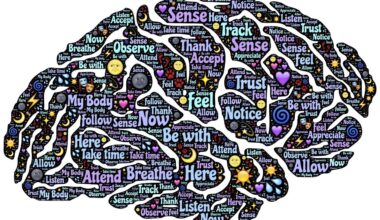
In recent years, the emphasis on senior fitness has shifted dramatically, with mind-body practices gaining prominence. Meditation and movement form an integral aspect of this growing trend, providing seniors the tools to enhance their physical and mental well-being. These practices, including yoga and tai chi, emphasize gentle movement combined with mindfulness, creating a holistic approach to health. Essentially, engaging in these activities promotes flexibility and balance, crucial for older adults to maintain their independence. Moreover, the integration of meditation helps cultivate a sharper focus and emotional resilience. As stress levels in daily life rise, finding tranquility becomes essential for seniors. Meditative practices such as deep breathing and guided imagery serve as effective techniques to alleviate anxiety and foster relaxation. This article will explore the various ways mind-body fitness contributes to the overall well-being of seniors, showcasing their benefits and how they can be easily incorporated into a daily routine. Ultimately, embracing these practices not only strengthens the body but also nurtures the mind, leading to a fuller, more enriched life.
Benefits of Mind-Body Practices
Mind-body practices, such as yoga and meditation, offer numerous benefits tailored specifically for seniors. Firstly, they enhance physical health by improving strength, flexibility, and balance. Reduced risk of falls is a significant advantage, as many seniors struggle with maintaining stability. Furthermore, through gentle stretching and mindful movements, seniors can alleviate chronic pain and stress. Secondly, these practices promote mental well-being. By integrating meditation, individuals can experience decreased symptoms of anxiety and depression. Mindfulness teaches seniors how to stay present, helping them cope with daily challenges with greater ease. Alongside physical and emotional benefits, social interaction is a crucial element of mind-body fitness. Engaging in group classes fosters a sense of community and belonging. Seniors often find companionship in these settings, which may counteract feelings of isolation. Ultimately, incorporating mind-body practices into their fitness routine offers unparalleled advantages, allowing seniors to remain active and engaged. With each session, they not only strengthen their bodies but also enrich their minds, creating a harmonious balance vital for their lifestyle.
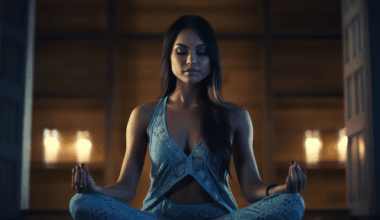
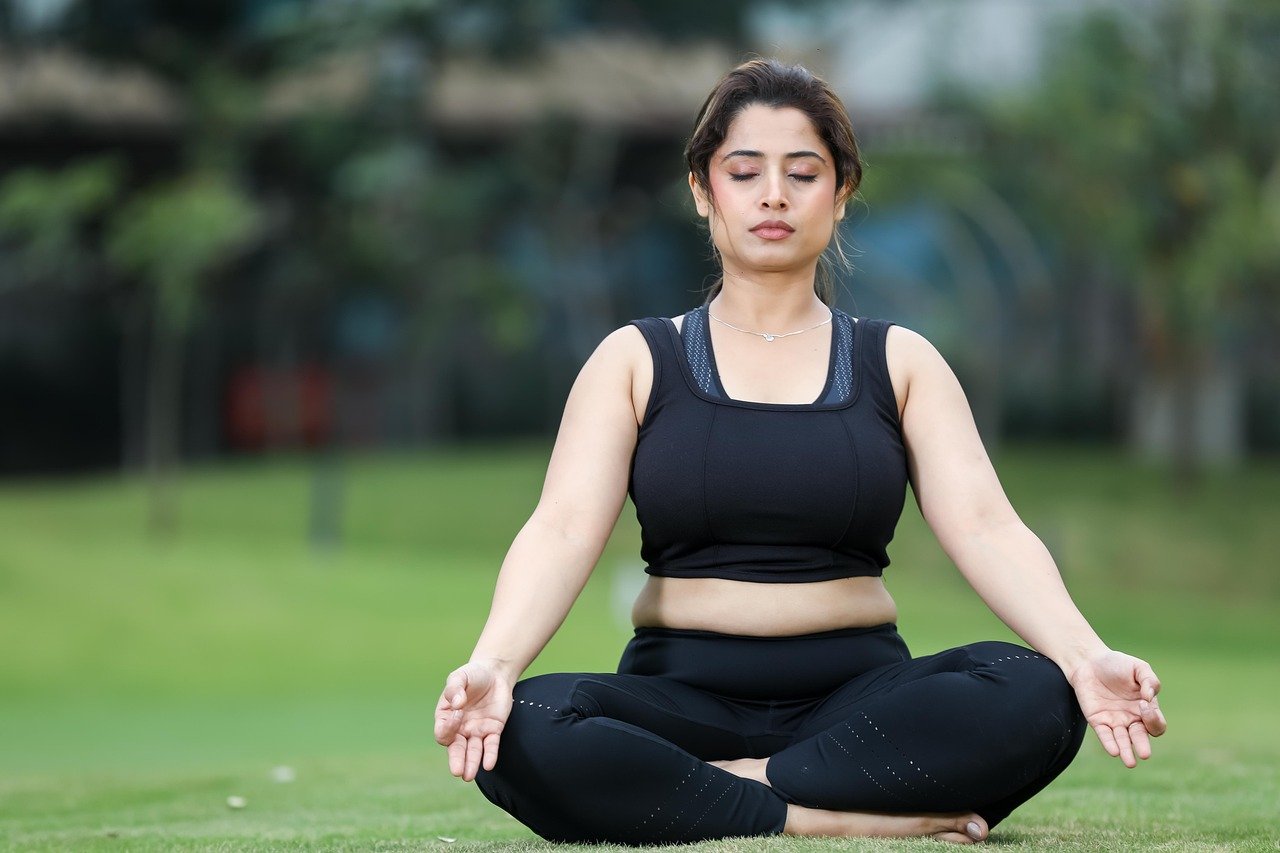
Incorporating meditation into the daily routine is not as daunting as it seems. Seniors can start with short sessions, gradually increasing duration as they feel comfortable. A simple approach involves sitting in a quiet space, closing the eyes, and focusing on breath. They can count their inhalations and exhalations, cultivating concentration. Alternatively, guided meditations can provide structured sessions, making the process more accessible. There are numerous apps and online resources catering to beginners, specifically designed for seniors. Additionally, seniors can pair meditation with movement practices. Gentle yoga poses combined with mindful breathing help deepen relaxation. These movements allow seniors to connect physically with their breath, enhancing their practice. Furthermore, going outdoors for mindfulness walks serves as another excellent method to practice meditation. Nature provides a calming environment, perfect for reflection and tranquility. Engaging in these activities daily fosters consistency and gradually builds a routine. Small, manageable steps lead to forming a lasting habit, enhancing the overall benefits of mind-body fitness. Thus, meditation becomes a cherished part of their lifestyle.
Movement and Its Importance
Physical movement plays a crucial role in overall health as it significantly impacts seniors’ quality of life. Low-impact exercises such as tai chi or chair yoga create an environment where seniors can engage comfortably. These activities enhance coordination and flexibility, which are vital in maintaining balance. Each movement performed within these practices emphasizes controlled, deliberate actions, minimizing the risk of injury. Through consistent practice, seniors can build muscle strength, which aids in daily activities. Improved endurance allows for a more active lifestyle, encouraging participation in social gatherings and outings. Moreover, engaging in regular movement boosts cardiovascular health. Improved circulation and heart function reduces the risk of age-related diseases. In tandem with mental benefits, productivity increases alongside physical health improvements. Movement fosters energy and vitality, enabling seniors to pursue hobbies. Whether gardening, crafting, or engaging in volunteer work, enhanced movement encourages fuller participation in meaningful activities. Finally, seniors should be reminded of the natural joy associated with movement. Dance, even in its simplest forms, can lift spirits and foster connection, emphasizing that fitness is about enjoyment while maintaining health.
The role of community programs and group classes cannot be understated in promoting mind-body fitness among seniors. Participating in classes held at local community centers or gyms offers numerous advantages. First, it creates a safe, friendly environment where seniors can gather, making fitness both enjoyable and social. Familiar faces and mutual support enhance motivation as they share their experiences and progress. Secondly, engaging with instructors specializing in senior fitness ensures that tailored modifications are offered, catering specifically to individual needs. Qualified instructors provide valuable guidance, enabling safe practice while addressing unique challenges faced by older adults. Additionally, group settings foster a sense of accountability. Participants are more likely to attend regular classes when committed alongside others. This consistency is vital. It empowers seniors to make fitness a priority in their lives while experiencing the camaraderie of their peers. Learning from each other adds an enriching dimension to their practice. Furthermore, bringing enthusiasm into the classes encourages seniors to explore different mind-body practices. From yoga to meditation groups, such variety keeps engagement high while promoting lifelong fitness journeys.
Creating a Mind-Body Routine
Establishing a successful mind-body fitness routine requires intention and creativity. Seniors should begin by assessing their fitness levels and preferences. Considerations such as available time, physical limitations, and personal interests help guide the decision-making process. For instance, dedicating just twenty to thirty minutes daily can significantly impact overall well-being. Creating a schedule that blends meditation with movement helps maintain a balanced approach. A sample routine could include starting with fifteen minutes of meditation to center the mind, followed by fifteen minutes of gentle stretching or yoga poses. This integration encourages harmony between body and mind, promoting relaxation and physical strength. Moreover, encouraging self-reflection after each session allows seniors to track their progress and feelings. They can keep a journal to note improvements, emotions, and discoveries experienced during their practices. Celebrating small victories builds confidence and fosters motivation, reinforcing the habit. Additionally, attending workshops or classes can provide fresh ideas for routines. Whatever the chosen path for creating a routine, seniors should approach it with patience and understanding. Mind-body fitness is a journey that brings lasting benefits.
To encapsulate the essence of mind-body fitness for seniors, it is vital to encourage ongoing education and exploration. Resources like online classes, videos, and local workshops open new avenues for discovering suitable practices. Seniors can further enrich their knowledge by engaging with literature, including books and blogs on meditation and movement. Local libraries and community centers often offer resources for continuing education. Building relationships with instructors, practicing mindfulness, and sharing experiences within the community cultivates a supportive environment. Additionally, seniors should never hesitate to ask questions and seek support when needed, ensuring they stay informed and safe in their practices. Moreover, involving family and friends promotes shared experiences, often enhancing motivation and enjoyment. Participating in a group allows for a communal aspect, enriching the practices together. As more seniors adopt mind-body fitness, the emphasis on health and well-being continues to rise. By nurturing physical health alongside emotional resilience, incorporating these practices into daily life significantly elevates seniors’ quality of life. Mind-body fitness should be seen as a journey that fosters continuous growth, health, and happiness.
In summary, mind-body fitness serves as a vital component in enhancing seniors’ overall quality of life. The combination of meditation and movement provides an holistic approach toward physical health and emotional well-being. Engaging in gentle practices not only strengthens flexibility and balance but also cultivates mindfulness and reduces stress. As this trend continues to gain traction, seniors should embrace these opportunities to integrate such practices into their routines. Establishing a systematic approach allows individuals to experience notable benefits while fostering a greater sense of community. The proven advantages of improving physical health, emotional stability, and connecting with others underscore the importance of incorporating mind-body fitness into their lives. Ultimately, the journey toward fitness should be embraced as an opportunity for growth, joy, and self-discovery. Encourage seniors to take the first step, whether attending a local class, exploring online resources, or practicing alone at home. Fitness is not one-size-fits-all; it’s about finding the rhythm that resonates with one’s own body and spirit. By emphasizing fun, connection, and continued learning, seniors can thrive, enjoying their golden years to the fullest.