
Incorporating Mindfulness in Pilates Workshops
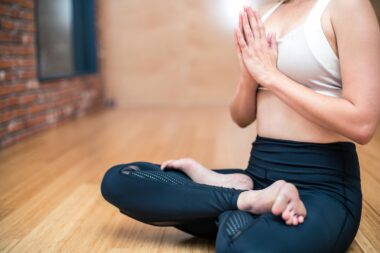
Mindfulness is the practice of being fully present and engaged in the moment without judgment. When integrated into Pilates workshops, it can enhance participants’ overall experience and elevate their practice. Attendees in mindful workshops tend to connect more deeply with their bodies, leading to improved focus and better results. To implement mindfulness in these workshops, instructors can begin by emphasizing breath control. Breath is a powerful tool, grounding participants and enabling them to focus on movements. In each session, beginning with deep inhalations and exhalations can help set a serene tone, allowing everyone to transition from their busy lives to a state of awareness. Moreover, utilizing visualizations during exercises helps participants create mental images that enhance their physical practice. Encouraging them to visualize the movement and its impact can deepen their engagement. Additionally, incorporating gentle reminders throughout the session about the importance of connecting breath with movement can contribute significantly to building a mindful atmosphere. It’s vital for instructors to create a safe and supportive environment, enabling an open space for participants to explore their mental and physical capacities.
Building on the foundation of mindfulness, Pilates workshops also benefit from integrating principles of self-compassion. When participants approach their practice with kindness towards themselves, they are less likely to succumb to negative self-talk or frustration. Educating attendees about the power of self-compassion can allow them to honor their bodies’ limits and capabilities. Instructors can share personal stories or examples that reinforce the idea that everyone’s journey is unique and that progress takes time. One effective strategy is to encourage participants to set individual intentions for each class. By identifying personal targets, whether it’s improving flexibility or enhancing core strength, individuals can maintain focus throughout the session. As participants prioritize their intentions, they foster a sense of accountability and personal growth. Moreover, introducing guided meditative segments during workshops can facilitate moments for reflection and introspection. These pauses serve as valuable opportunities for participants to check in with themselves mentally and emotionally. Ultimately, blending mindfulness with self-compassion transforms the Pilates experience into a journey of self-discovery while building resilience and promoting overall well-being.
Creating a Mindful Environment
A mindful environment is essential for fostering the right atmosphere in Pilates workshops. The physical space should be calming and supportive, encouraging participants to feel comfortable and open. Instructors can enhance the ambiance through the use of soft lighting and calming color palettes to reduce distractions and foster focus. Additionally, playing soothing background music can significantly impact the overall vibe of the workshop. Chosen thoughtfully, music can guide participants’ emotional states and help them connect with their bodies. Furthermore, minimizing the use of cell phones and electronic devices during sessions is vital in promoting mindfulness. Instructors can encourage participants to leave devices in designated areas, emphasizing the importance of being fully present. Material elements also play a role; providing high-quality mats, straps, and blocks ensures participants can engage comfortably and focus on movements without physical discomfort. Having the right props can enhance their practice while supporting it. Incorporating elements like plants or artwork can also provide a sense of tranquility, promoting a serene environment where participants can explore their capabilities and deepen their connections with their bodies.
To deepen the integration of mindfulness within Pilates workshops, instructors can offer opportunities for peer sharing. By facilitating discussions before or after sessions, participants can share experiences and observations related to their Pilates practice. This dialogue fosters community and a sense of belonging among practitioners, breaking down feelings of isolation. It’s also an effective way for participants to hear about different interpretations of mindfulness, which can inspire their own practice. Utilizing journaling prompts post-workshop allows individuals to reflect on their experiences, enhancing personal growth. Encouraging participants to write down their thoughts on mindfulness and how it collaborates with Pilates movements can solidify insights gained during workshops. Implementing seasonal or themed workshops centered around mindful living can promote continued exploration outside regular classes. Workshops could explore themes such as gratitude, compassion, or awareness; these themes can provide fresh perspectives on participants’ journeys. This approach reinforces the idea of Pilates as not just a physical exercise but a holistic practice that nurtures mind, body, and spirit. Creating varied formats will keep the offerings dynamic while emphasizing personal growth through mindfulness.
Advanced Techniques for Mindfulness
As participants grow more comfortable with mindfulness in Pilates, instructors can introduce advanced techniques to deepen their experiences. Techniques such as body scans enable individuals to cultivate awareness of physical sensations and help them release tension held in specific areas. Guiding participants through a body scan encourages them to locate points of tightness and consciously release them, building a crucial mind-body connection. Additionally, educators can introduce breathwork exercises that vary rhythm and depth throughout the workshop. This variability enhances the authenticity of each practice, allowing individuals to better understand their own breath cycles. Engaging in movement meditation—performing Pilates moves at a slower pace—invites participants to connect with the subtleties within movements. An increased awareness of how the body responds to each exercise creates a more profound understanding of its capabilities. Furthermore, instructors can invite students to experiment with their movements, allowing for personal modifications and adjustments based on their unique experiences. Encouraging creativity and freedom within the practice can unveil new dimensions of mindfulness, prompting participants to explore further and personalize their Pilates journeys.
Another technique involves integrating affirmations into the Pilates workshop experience. Affirmations can engage participants’ mental states, reminding them of their strengths and cultivating a sense of self-worth. Instructors can guide groups in creating personalized affirmations that resonate with their individual goals, weaving them into the movement patterns during practice. For instance, repeating affirmations while transitioning from one exercise to another enhances focus and reinforces positive self-talk. It also provides a powerful reminder to celebrate small victories throughout the journey. Moreover, combining breath patterns with affirmations allows individuals to experience a rhythmic flow that fosters deeper insights. Including collaborative group exercises can enhance the sense of community and create an uplifting atmosphere. Activities like partner stretches or group discussions surrounding the impact of affirmations can foster interactions. This collaborative aspect reinforces mindfulness and connects participants through shared experiences. Ultimately, integrating affirmations into Pilates workshops not only creates enriching experiences but also promotes mental resilience, setting a richer foundation for both physical and mental well-being.
Conclusion: Mindfulness in Practice
Incorporating mindfulness into Pilates workshops results in transformative experiences for participants and instructors alike. Practicing mindfulness fosters self-awareness, focus, and a deeper connection to the body, enhancing the overall Pilates practice. By adhering to essential strategies, such as breath control and visualization, the principles of mindfulness become integral to the workshop environment. Alongside cultivating self-compassion, participants learn to appreciate their unique journeys, paving the way for personal growth. Crafting mindful environments, encouraging peer sharing, and introducing advanced techniques further deepen the impact of mindfulness on participants’ lives. The integration of affirmations coupled with movement promotes mental resilience and fosters community, enriching the workshop experience. In summary, the benefits of intertwining mindfulness in Pilates workshops extend beyond physical enhancements, addressing holistic well-being. This multi-faceted practice builds a foundation for lifelong learning, personal exploration, and connection to self. By nurturing mindfulness, Pilates instructors can guide participants toward a more enriching and fulfilling practice that transcends physical exercise, promoting personal growth and a deeper appreciation for both mind and body.
Ultimately, embracing mindfulness within Pilates workshops offers participants the tools to navigate everyday challenges, fostering resilience and a more profound sense of inner peace. As individuals connect with their breath and learn to honor their progress, they acquire skills for facing life’s obstacles with greater compassion and awareness. Workshops designed around these principles not only emphasize the physical aspects of Pilates but also address the mental and emotional dimensions of wellness. This holistic approach acknowledges that the mind and body are interconnected, highlighting the importance of nurturing both for overall health. Facilitating these workshops creates an environment where participants feel safe to explore their limits while progressing towards their set intentions. By thoughtfully integrating mindfulness practices, instructors can provide a roadmap for attendees to cultivate a lasting transformation even beyond the studio. Participants can carry these lessons into their daily lives, instilling mindfulness in their routines and interactions. Ultimately, as the Pilates community continues evolving, prioritizing mindfulness will foster deeper connections and support continued growth for both individuals and the collective.