
Healing Sounds: The Power of Mantras in Yoga
Yoga is a practice that harmonizes the mind, body, and spirit. Integrating mantras can profoundly enhance this experience. Mantras are sacred sounds or phrases designed to elevate consciousness and create a tranquil atmosphere. The repetition of mantras in yoga facilitates deeper meditation and helps practitioners focus their minds. As a result, this process allows individuals to clear their thoughts and connect with their inner selves. Various types of mantras exist, each having its unique purpose. For instance, the ‘Om’ mantra represents universal consciousness. Its vibration resonates not only with our bodies but also with the entire universe. When recited correctly, it can awaken dormant energies and align us with higher frequencies. Other mantras, such as ‘So Hum’ or ‘Om Namah Shivaya’, are often used during yoga sessions. These powerful sounds are believed to channel healing energies, promoting emotional balance and physical wellness. Furthermore, practitioners often report feelings of peace during and after their sessions when using mantras. Overall, incorporating mantras into yoga can transform a simple practice into a profound journey of self-discovery and healing.
One crucial aspect of using mantras effectively is understanding their vibrational properties. Each sound carries a unique frequency, which influences our energy fields. For example, low frequencies can help ground us, while high frequencies tend to elevate our spirits. This awareness can guide our choice of mantras during practice. Additionally, the phonetics of mantras can enhance their effects, as proper pronunciation is essential to achieve the desired resonance. Practitioners often combine breath control with mantra chanting, creating a rhythm that amplifies the vibrational benefits. This harmonious synchronization between breath, sound, and intention deepens one’s experience. Each session can become a powerful transformative ritual, cleansing negative energies and promoting positive vibrations. Furthermore, research suggests that sound has therapeutic effects on our brainwaves. The alpha state, associated with relaxation, can be achieved through the sound frequencies of mantras. By regularly incorporating mantra chanting into yoga, individuals may enhance mental clarity and emotional stability. Moreover, some practitioners find that even a few minutes of dedicated mantra work at the beginning or end of a session creates positive shifts in awareness and mindfulness.
Benefits of Mantras in Yoga Practice
The benefits of incorporating mantras into yoga are numerous and profound. Firstly, mantras facilitate deeper meditation by focusing the mind. Many practitioners struggle with wandering thoughts and distractions. By engaging in mantra chanting, they have a powerful tool to redirect attention, allowing for more profound inner exploration. Secondly, mantras create a vibrational environment that fosters healing. The sounds emitted during chanting reverberate through our bodies, harmonizing energy centers, also known as chakras. This resonance can stimulate the flow of energy, promoting physical health and mental wellness. Furthermore, chanting mantras can reduce stress and anxiety. Many studies have shown that sound can positively influence the body’s stress response, leading to lower cortisol levels. Engaging in this rhythmic activity introduces a meditative state, resulting in an increased sense of calm and stability. Lastly, using mantras in a communal setting, such as group yoga, enhances bonding and shared experience among practitioners. The combined energies amplify positivity and connection within the group, creating a supportive atmosphere that enriches the practice for everyone involved.
Choosing the right mantras for your practice can significantly impact your yoga journey. The process often involves personal reflection on your intentions and desired outcomes. Consider the specific goals you wish to achieve, whether spiritual growth, emotional healing, or physical wellness. Researching different mantras and their meanings can deepen your understanding and enhance your practice. Additionally, some individuals prefer to create personalized mantras that resonate with their unique life experiences. Keeping the mantra simple, meaningful, and aligned with your intentions ensures its effectiveness. You may also experiment with different mantras to see which ones resonate most strongly and integrate them into your routine. Many practitioners find that using the same mantra consistently allows them to build deeper connections to its vibrational power. Furthermore, it’s essential to be patient and open during this process. As your practice evolves, you may feel drawn to different mantras at various stages in your yoga journey. Embracing this fluidity can help enhance the transformative power of sound in your life.
Creating a Mantra Meditation Practice
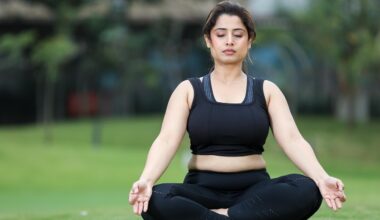
To create a mantra meditation practice, find a comfortable and quiet space where you can focus. Sit cross-legged or in any position that allows for proper breath flow. Begin by closing your eyes and taking several deep breaths to center your mind. Allow your thoughts to settle and gently draw your attention inward. Once you feel ready, start to chant your chosen mantra softly. You may speak it aloud or whisper it, allowing the vibrations to resonate within you. Set a time limit for your practice to avoid distractions and promote mindfulness. As you continue chanting, focus on the sound and the feelings it generates. If your mind drifts, gently guide it back to the mantra without judgment. Integrating breath control can enhance your experience. Try synchronizing your breath with the mantra, inhaling deeply before each chant. Over time, aim for longer sessions, gradually deepening your connection to the sound. Ending your practice with gratitude for your body and mind can deepen its impact and foster a sense of completeness and peace.
As with any practice, consistency is vital in reaping the benefits of mantra meditation. It can be helpful to establish a routine, dedicating specific times each week to engage in this practice. Many practitioners choose mornings to begin their day with intention and clarity or evenings to wind down and reflect. Whatever your preferred timing, finding what feels best for you is essential. Additionally, creating a calming environment may also enhance your experience. Consider surrounding yourself with items that inspire peace, such as candles, incense, or crystals. These elements can elevate the atmosphere and promote deeper relaxation. Make sure to eliminate distractions during your session, allowing yourself to remain fully present. Practicing with a community can also bolster your commitment and motivation. Joining a group focused on mantra meditation can provide a sense of accountability and shared energy that enhances your practice. Sharing experiences and insights can foster additional growth while cultivating connections with others on similar journeys. Ultimately, embracing mantra meditation can be transformative, enriching both your yoga experience and your everyday life.
Conclusion: The Journey with Mantras
The journey of integrating mantras into your yoga practice offers the potential for profound personal growth and self-discovery. Embracing this aspect of yoga can pave the way for deeper states of meditation, fostering a stronger connection with oneself. Remember that everyone’s experience is unique, and some may resonate more with certain mantras than others. Be open to exploring various sounds and phrases, allowing them to guide you on your spiritual path. As you continue this practice, pay attention to the changes in your emotions, thoughts, and overall well-being. Noticing subtle shifts can help reinforce the power of sound as a transformative tool. Allow this exploration to be a journey rather than a destination, appreciating each step along the way. Moreover, consider journaling your experiences after mantra practice sessions. Recording your thoughts and feelings can enable self-reflection and help track your progress. By honoring this practice and the wisdom it brings, you open yourself to countless possibilities in your yoga journey and beyond, cultivating a deeper awareness and appreciation for the power of healing sounds.