
Balancing Cardio and Strength Training for Sambo
Sambo is a dynamic martial art that requires both speed and strength, making it essential to find a balance between cardio and strength training. Most practitioners rely on a mix of aerobic exercises and weightlifting to enhance their performance. Cardiovascular conditioning boosts your endurance, allowing you to sustain high levels of effort during fights and practice. On the other hand, strength training develops your physical power, enabling you to execute throws and holds with precision. For your training regimen to be effective, incorporate both training techniques appropriately. Consider allocating specific days to focus on strength or endurance, ensuring no aspect is neglected. For example, performing high-rep strength exercises can also improve muscular endurance, while HIIT workouts can enhance both stamina and explosive power. Progressive overload in strength training encourages muscle growth, leading to improved performance in Sambo. Remember to allow time for recovery as it plays a vital role in the adaptation phase of your progress. Tracking your workouts and adjusting your routine regularly will benefit your overall development as a Sambo athlete. In this article, you will discover effective exercises catered to balancing cardio and strength for optimal outcomes.
The Role of Cardio in Sambo
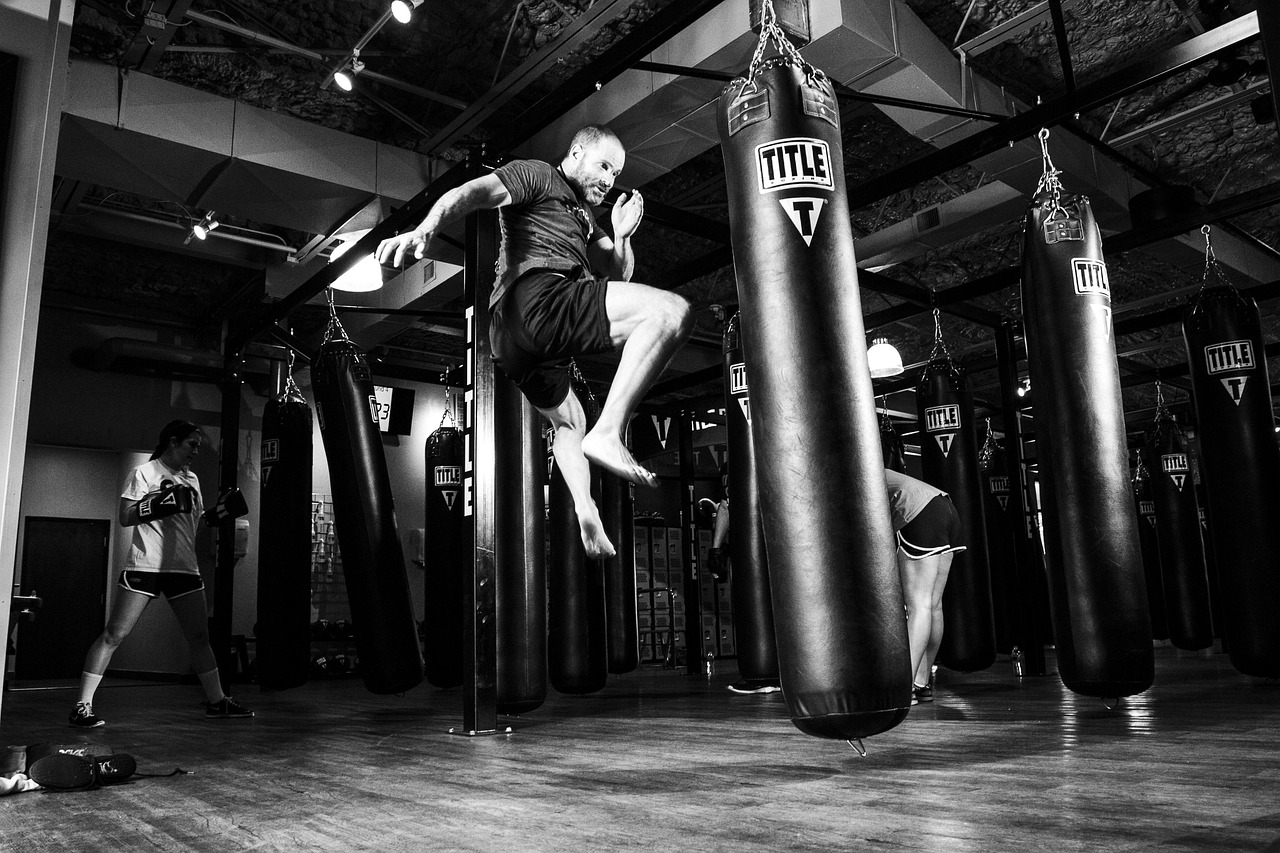
Cardiovascular fitness is crucial in Sambo, as matches are often fast-paced and require high energy levels. Aerobic capacity allows practitioners to perform prolonged bouts without succumbing to fatigue. Focused cardio training, such as running, cycling, or swimming, strengthens your heart and lungs, vital for sustaining performance throughout training sessions and competitions. Additionally, incorporating sports-specific drills enhances your aerobic capacity while simulating real fight conditions. Engage in circuit training or interval sprints to build your stamina and build resilience against fatigue. Reduced rest intervals and increased training durations also effectively boost your cardiovascular fitness. Moreover, being fit enables quicker recovery during sparring and can give you an edge during competitions. Pay attention to different heart rate zones, ensuring you train in both a low-endurance zone for fat burning and a high-endurance zone to maximize aerobic capacity. Implementing diverse cardio workouts keeps your routine fresh and engaging, ultimately leading to improved motivation and performance. As you progress, don’t hesitate to test your limits periodically. You can challenge yourself through various cardio tests to assess your growth and make adjustments as needed for better overall fitness.
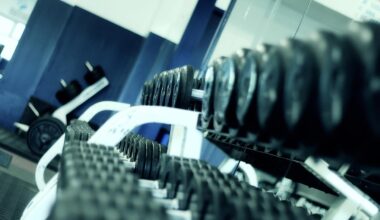
Incorporating strength training into your Sambo training program is equally essential. Strength aids in executing techniques and contributes to better control, allowing you to overpower your opponents when necessary. Focusing on compound movements—like squats, deadlifts, and bench presses—targets multiple muscle groups to build functional strength. Aim for a routine that includes both heavy and moderate lifting sessions, balancing power with muscle endurance. Emphasizing core strength is also vital as it directly influences your balance and stability during grappling exchanges. Techniques such as planks, medicine ball exercises, and resistance bands can effectively strengthen the core. Also, integrating plyometric exercises enhances explosive power, improving your ability to perform throws and attacks effectively. Additionally, varying your strength training through supersets and circuits can save time while increasing intensity. Circuit workouts can blend strength and endurance, making your training more versatile and efficient. Always prioritize proper form to prevent injuries and ensure maximum effectiveness. Remember to gradually increase training intensity, allowing for proper adaptation to maintain steady progress throughout your journey as a Sambo practitioner.
Creating a Balanced Routine
When designing a weekly training regimen, start with a balanced approach that targets both strength and cardio. A recommended routine might include three days solely focusing on cardio, while dedicating two days to strength training. One or two additional active recovery sessions can further enhance your overall performance. Active recovery may involve light practice, yoga sessions, or stretching routines, allowing the body to recuperate without complete rest. For optimal gains, ensure that each workout comprises both strength and endurance elements. For example, you might dedicate some workouts to HIIT and combine strength exercises followed by short bursts of cardio. Another option is a weightlifting circuit with integrated aerobic components. Additionally, prioritize adequate nutrition to fuel your training. Consuming complex carbohydrates provides the necessary energy for intense exercise, while protein supports muscle recovery and growth. Don’t underestimate the importance of hydration, as adequate fluid intake aids in maintaining peak performance. Be sure to listen to your body and adapt your plan according to your progress and how you feel. Keeping a training journal can help monitor progress and identify areas for improvement over time.
To ensure a successful balance, recovery shouldn’t be overlooked. Quality rest allows your muscles to recover and grow stronger, avoiding injury or burnout. Plan rest days into your training schedule and use them wisely. Techniques such as foam rolling, stretching, and massages can help alleviate muscle soreness and ensure you’re ready for your next workout. Additionally, sleep serves as a critical factor in recovery. Striving for 7-9 hours of sleep each night can significantly boost your overall performance, improve mood, and aid cognitive functions. Using techniques like deep breathing or meditation can help reduce stress levels, promoting better quality sleep. Remember, consistent training without adequate fatigue management can lead to diminishing returns. Assess your physical state routinely, allowing you to recognize when you need extra rest or intensity adjustments. Moreover, consider speaking with a coach or a seasoned practitioner to gauge whether you’re pushing hard enough or overextending yourself. Fostering a balance between training hard and sufficient rest is vital for long-term success in Sambo. Maintain a lifetime approach for effective training and performance enhancement; this will lead to enduring growth and improvement.
Nutrition for Peak Performance
The importance of nutrition in balancing cardio and strength training cannot be underestimated, especially for Sambo practitioners. As a competitive sport, hungry and fatigued athletes may struggle to perform at their best. Consuming a balanced diet rich in vitamins and minerals, carbohydrates, proteins, and healthy fats is key to fueling an effective training regimen. Aiming for whole foods should be your priority, ensuring you’re getting nutrient-dense options to support your overall performance. Incorporate diverse protein sources, such as lean meats, beans, and legumes, allowing for muscle repair and growth. For energy demand, utilize complex carbohydrates like whole grains, fruits, and vegetables to power through rigorous workouts. Healthy fats, such as avocados and nuts, contribute positively to brain function and hormone regulation, complementing both cardio and strength training efforts. Don’t forget about hydration, as water is essential to optimal performance. Aim for clear, pale urine to assess hydration. Post-workout nutrition also plays a pivotal role; rehydrate with electrolytes and consume protein-rich meals to foster recovery after strenuous efforts. Implementing these dietary strategies will not only enhance performance but also sustain longevity and success in your Sambo practice.
In conclusion, achieving a proper balance between cardio and strength training specifically for Sambo is crucial for enhancing overall performance. The dual focus on aerobic capacity and muscle strength enables athletes to compete effectively and endure the physical demands of this martial art. Assembling a well-structured training routine that incorporates distinct days for cardio and strength along with active recovery sessions will create a comprehensive program. The effective nutrition and recovery strategies discussed further complement your fitness efforts. By understanding the importance of each aspect, you can make informed decisions about your training regimen, allowing each facet to contribute positively to your growth as a Sambo practitioner. Regular self-assessment of your performance and well-being ensures that you remain on track towards your goals. Connect with fellow athletes and coaches for additional support and motivation during this journey. Gradually build and adapt your methods, recognizing that progress takes time. Celebrate your successes and understand that persistence and discipline are the keys to improvement in Sambo. Ultimately, with balance, you will cultivate not only physical prowess but also mental resilience as you continue to advance in your martial arts adventure.