
Choosing the Right Hydration Gear for Marathon Training
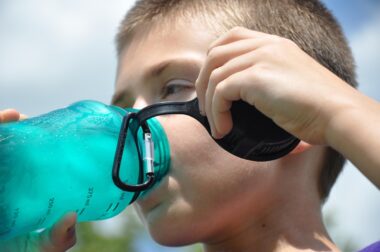
When embarking on your marathon training journey, one crucial aspect is maintaining proper hydration. The right hydration gear can make a notable difference in your overall performance. Each type of gear fulfills specific needs, often influenced by the duration of your runs. It’s essential to choose between hydration packs, belts, and handheld bottles. Hydration packs are excellent for longer runs, allowing you to carry ample water without hindrance. On the other hand, belts are light and ideal for shorter distances, providing quick access to hydration. Similarly, handheld bottles offer versatility and can be used easily. Consider the design and fit of the gear, as comfort during a run is vital. Additionally, look for features like insulation to keep your drinks cool or storage pockets for gels. Ultimately, your comfort during marathon training can be improved significantly with the right hydration tools. Before deciding, it’s always helpful to read reviews or ask fellow runners for recommendations to ensure you choose wisely. The goal is to stay hydrated without compromising your running form or comfort.
Understanding Your Hydration Needs
Each runner has unique hydration needs based on their sweat rate and environmental conditions. Understanding these is crucial for selecting the best hydration gear. Begin by assessing how much you sweat during your workouts. A simple way to do this is by weighing yourself before and after a run. Subtract the differences to determine your fluid losses. Generally, if you lose more than two percent of your body weight, you may need to adjust your hydration strategy. In hotter climates, you might need more fluids, while cooler climates may require different considerations. It’s essential to find a balance that keeps you hydrated without feeling bloated. Moreover, consider the length of your training sessions. Shorter runs may only require a handheld bottle, while longer runs could benefit from a hydration pack. Always pay attention to your body’s signals. If you feel thirsty, it’s a sign you need water or electrolytes. Consistent hydration throughout your training will directly impact your performance on race day. This understanding will significantly help in selecting the right gear and staying adequately hydrated year-round.
Next, when choosing hydration gear, think about convenience and accessibility. A gear that allows easy access to fluids without interrupting your stride is vital. For instance, do you prefer sipping during your runs? Handheld bottles are great for this. However, if you’re tackling long distances, you might opt for a hydration pack that is worn comfortably on your back. These packs can hold more water, ranging from 1 to 2 liters, sometimes even more. It’s important that the pack fits securely to avoid bouncing, as this can become uncomfortable over distance. Ultimately, the ideal gear is one that you forget is on you while you run, providing a seamless experience. Furthermore, hydration belts can be a happy medium, offering both space and ease of access during runs. Ensure that you try on various options to see what feels best for you. Proper fit and functionality can often enhance your training experience, leading to better hydration practices that empower performance. Don’t hesitate to experiment with several types until you find what suits your unique style and needs.
Material and Durability Considerations
Another key factor when selecting hydration gear is the material and durability of the products. Water bottles are often made of plastic, stainless steel, or aluminum, each having its advantages. Plastic bottles, while lightweight and often cheaper, can retain odors and taste over time. Opt for BPA-free options to ensure you’re avoiding harmful substances. Stainless steel bottles may provide insulation, keeping drinks cold or hot, a great advantage during variable weather conditions. However, they tend to be heavier than plastic. Ensure whatever option you choose is durable enough to handle the rigors of marathon training. As for hydration packs, look for materials that are breathable yet robust, ensuring they can withstand extended wear. Seamless construction helps prevent leaks and adds to the lifespan of your gear. Furthermore, while experimenting with different materials, always consider how easily you can clean and maintain them. Keeping your hydration gear clean is vital for your health and performance. Regular maintenance ensures that your hydration products are safe and functional long-term, allowing you to focus on training instead of worrying about gear.
Comfort is non-negotiable when selecting your hydration gear. Extended training sessions can lead to discomfort if your gear isn’t properly designed. When trying out hydration packs or belts, ensure they don’t rub against your skin, which could lead to chafing during longer runs. Look for adjustable straps that can be customized for a secure fit. The weight distribution of your gear is also vital; a well-balanced load can make it easier to run. Furthermore, check that your hydration system doesn’t bounce during runs, as this distraction can hinder performance. Quality padding on straps or backs can significantly increase comfort and reduce pressure on your body. Additionally, consider the climate when assessing comfort; breathable materials can help reduce heat buildup during hot conditions. Don’t hesitate to take your chosen gear on test runs to assess comfort and fit. It’s always better to identify any potential issues before race day, allowing you to make adjustments or changes as needed. A harmonious relationship with your hydration gear will lead to a more pleasurable and effective training experience.
Staying Hydrated with Timing
Proper hydration timing is critical for marathon training, and the right gear can help you manage this aspect effectively. Generally, you should aim to hydrate regularly before, during, and after your runs. Consider your training schedule and set a hydration plan consistent with your runs. Before hitting the trail, it’s wise to drink water or an electrolyte drink to ensure you start your workout well-hydrated. As you run, aim to drink small amounts regularly; about every 15-20 minutes is recommended, depending on your needs and the hotness of the weather. Hydration packs or belts can facilitate this easy access, keeping fluids within reach. After your run, rehydration is equally important, as your body needs to replenish lost fluids. Most guides suggest consuming around 16-20 ounces of fluid for every pound lost during the session as a guideline. Keep in mind that everyone has different hydration needs, so it may take some planning and tracking to fine-tune your approach. Ultimately, finding the right hydration rhythm plays a significant role in your marathon training success.
Lastly, adding the right nutritional supplements can further enhance your hydration strategy. During runs longer than 90 minutes, plain water may not suffice; consider incorporating electrolyte drinks or gels that contain sodium and potassium. These are crucial in preventing dehydration and muscle cramps, essential for marathon training. While hydration packs can accommodate these supplements, make sure it’s easy to access during activity. Additionally, practice making nutrition decisions during your training runs to mimic race conditions. This will teach you how your body reacts to different supplements, helping you ascertain what works best. However, always stay aware of how certain products may affect your hydration status; not all drinks are equal. Consuming too much sugar can lead to dehydration rather than rehydration. Moreover, consult with a nutritionist or a coach for personalized advice tailored to your needs. Adapting based on experience will tune your hydration and nutrition approach, maximizing performance as you train for your marathon. Keep experimenting until you find the right balance for your training routines.