
Tracking Sleep Patterns of E-Sports Players Using Fitness Technology
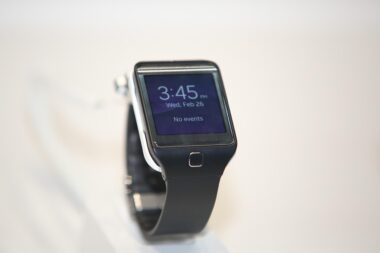
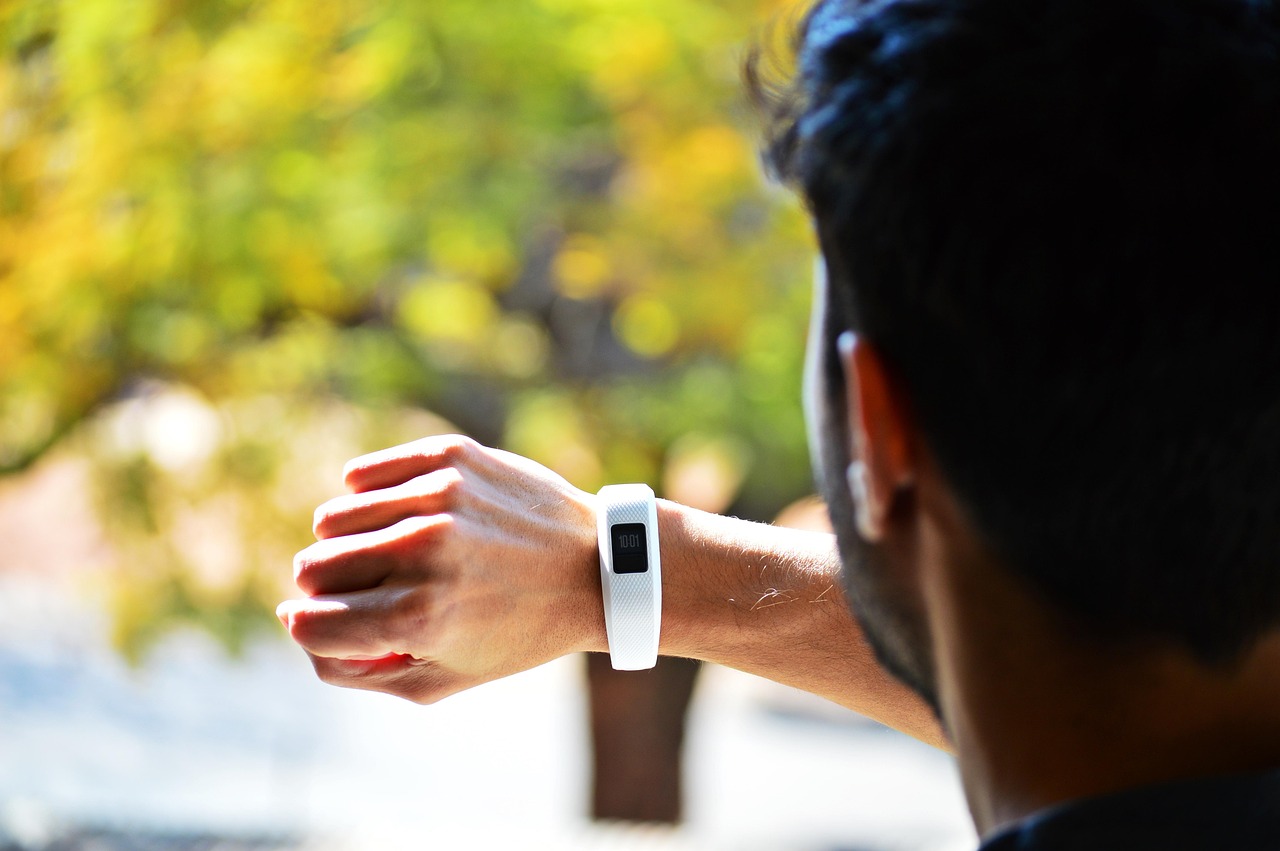
In the competitive realm of e-sports, player performance hinges significantly on various factors such as skill, strategy, and endurance. One crucial element that is often overlooked is sleep quality and patterns. Fitness technology offers innovative solutions for e-sports players to monitor and optimize their sleep. Wearable devices, such as smartwatches and fitness bands, can provide valuable insights into sleep duration, stages, and disturbances. By leveraging data collected from these gadgets, gamers can gain a deeper understanding of their sleep behavior. This information can lead to better decision-making regarding their schedules, training sessions, and recovery strategies. Furthermore, incorporating sleep tracking may result in improved focus and reaction times, essential attributes in this fast-paced environment. E-sports organizations are increasingly recognizing the importance of sleep health in terms of enhancing overall player performance. Just as physical training is paramount, so is mental recovery through adequate rest. By utilizing the available fitness technology, players can align their gaming performance with their physiological needs, ultimately gaining a competitive edge. Until recently, this has been a mostly uncharted territory in the e-sports domain, but its significance is now being recognized by many professionals.
Identifying sleep issues early is crucial for e-sports athletes, as chronic sleep deprivation can lead to significant consequences. Data from sleep tracking devices can reveal patterns, allowing players to recognize when they are not getting restorative rest. Most sleep technology systems analyze sleep cycles, including REM and deep sleep, which are vital for cognitive function and recovery. For instance, using apps connected to wearables, players may receive tailored feedback based on their individual sleep habits. This technology identifies inefficiencies in their sleep routines. Apart from sleep data, lifestyle factors such as caffeine consumption, workout routines, and screen time can be monitored for a holistic view. By making incremental adjustments based on feedback they receive, players can adapt their daily habits to minimize fatigue. Tools like heart rate variability monitors can also accompany sleep trackers, providing a comprehensive understanding of a player’s recovery state. Optimizing sleep can lead to sharper mental acuity during competitions. As a result, e-sports organizations may consider integrating sleep optimization workshops. These can educate players about the relationship between sleep, performance, and mental health, fostering better practices among team members. It is imperative to prioritize sleep in achieving peak performance in e-sports.
Effects of Sleep on Gaming Performance
Research consistently indicates that inadequate sleep adversely affects cognitive performance, reaction time, and overall mood. Within the context of e-sports, where every moment counts, players must maintain focus and strategic thinking, which are compromised by fatigue. Sleep deprivation leads to negative outcomes, including decreased alertness and impaired decision-making. Consequently, players may find themselves making more mistakes or failing to capitalize on opportunities during play. Fitness technology not only aids in tracking sleep but also provides insights that directly link sleep quality to gaming outcomes. Many ambient factors, such as noise and light pollution, might disrupt restful sleep, impacting performance. Wearables can measure environmental conditions, helping players optimize their sleeping environment. Armed with insights, athletes can implement changes, such as adjusting lighting or temperature, to encourage better rest. Furthermore, some modern sleep gadgets offer suggestions for smart bedtime routines, potentially enhancing sleep efficiency and depth. This proactive approach reshapes players’ understanding of their health and performance relationship. It fosters a more embedded culture of self-care, ensuring that players recognize the importance of incorporating sleep as part of their overall training regimen.
Tracking sleep patterns through fitness technology is not about monitoring only numbers; it is an avenue for self-discovery among e-sports players. Gathering data on sleep allows players to physiologically assess their capacities and limitations. Devices that sync data to health apps give players specific metrics, enabling them to pinpoint when and how their sleep varies. For example, players may find that specific gaming marathons lead to insomnia or disrupted sleep cycles afterward. Through strategic scheduling and gaming hours modifications, players can combat this. Increased awareness of their personal sleep dynamics promotes accountability and motivation toward improving health. Some players might eventually try alternative therapies, like meditation or relaxation exercises, to unwind before bed, fostering better restorative periods. Additionally, community sharing of sleep success stories unites gamers in healthier lifestyle pursuits. The sports and e-sports industries recognize the collaborative potential within this framework, inspiring innovations that support player wellness. The emphasis will likely continue to grow in both conversations and actionable strategies to enhance players’ lives beyond just competing. As players begin seeking these advancements, organizations will respond with tailored solutions that prioritize their athletes’ overall well-being.
Integrating Sleep Tracking into Training Regimens
Adopting sleep technology as a consistent element in training regimens signals a positive shift in the e-sports landscape. Teams and coaches will begin to realign strategies based on detailed insights derived from sleep patterns. This integration provides a more profound understanding of the role that sleep plays in cognitive functions leading up to matches. Utilizing group data from the wearables may reveal valuable trends or common barriers players are facing. Information on collective team sleep health can inform training schedules and break periods, ensuring players have optimal readiness for challenges. Organizations might introduce collaborative dashboards where data is aggregated, showing fluctuations amongst team members. Such transparency promotes discussions surrounding self-care and mental health needs. Implementing sleep tracking alongside traditional performance metrics can enhance scenarios like pre-match routines and post-game recovery practices. Players may gain support from fitness experts specializing in sleep health, creating comprehensive plans that include restorative practices. As e-sports professionals better address aspects beyond gaming skills, a holistic approach amplifies both individual and team performance capabilities on multiple levels.
While the relationship between sleep and performance is becoming clearer, challenges exist in fully adopting sleep technologies into e-sports cultures. Some players might initially resist the idea of sharing such personal data, causing apprehension about privacy concerns. Strategies to overcome this may involve educating athletes about data security and benefits achievable from sharing insights. Establishing consent and transparency in data usage will help bridge gaps. E-sports teams can consider involving mental health professionals to address these concerns, reinforcing confidence in the system. The transition will involve trial and error, but gradual integrations will help ease skepticism. Continued education around sleep research can also empower players to see rest as essential rather than an obstacle to training. Conversations should center on enhancing performance instead of simply quantifying sleep. As more organizations incorporate sleep technology into their frameworks, the collective understanding will shift. These efforts may eventually normalize sleep as a central pillar of training rather than an afterthought. As players recognize these technologies’ potential, the competitive landscape will evolve alongside healthier and more successful gaming practices.
The Future of Sleep Technology in E-Sports
Looking ahead, innovations in sleep technology present exciting possibilities for e-sports athletes. Emerging wearables will likely improve accuracy and features, leading to more refined data analytics. Potential future gadgets may include non-invasive biometrics that provide deeper insights into stress and recovery. The evolution of artificial intelligence in sleep tracking could tailor suggestions based on real-time data analysis, enhancing players’ autonomy in managing their sleep health. This synergy between technological advances and player needs paves the way for smarter solutions custom-made for e-sports. Partnerships between tech companies and e-sports organizations will likely continue fostering cutting-edge research, promoting comprehensive wellness. Possible developments could explore integrating advanced sleep studies into training camps, enabling real-time performance assessments. Other innovations might involve personalized sleep-enhancing products or specific gaming equipment designed to mitigate sleep disruptions. Ultimately, prioritizing sleep and fitness technology will harness players’ cognitive and physical strengths. Recognizing that mental acuity is as important as reflexes while gaming can revolutionize how athletes prepare and engage in competitions, elevating the entire field’s professionalism and expectations. As trends advance, both players and organizations stand to gain from a well-rounded approach to health and performance.
In conclusion, the intersection of fitness technology and e-sports highlights the importance of sleep for optimal performance. Integrating sleep tracking into players’ routines not only enhances their understanding of personal limits but promotes healthier lifestyles. Utilizing wearables to monitor sleep provides essential data that correlates with improvement in focus, reaction times, and coping mechanisms. As e-sports continues evolving, awareness of mental wellness becomes more pronounced, prioritizing athletes’ health alongside competitive ambition. Organizations pushing for transparency and collaboration regarding sleep can cultivate a supportive team environment. Going forth, the sustainability of players will hinge on recognizing that long-term victories depend on maintaining freshness and efficiency throughout various gaming scenarios. Players who embrace sleep technology will likely set themselves apart in a highly competitive field. The future holds great promise for improved analytics driven by technology. With continuous examination and adaptation of practices, the e-sports community can strengthen its understanding of well-being correlated with peak performance levels. This commitment will not only elevate individual player achievements but broaden perspectives in the global pursuit of excellence within e-sports.