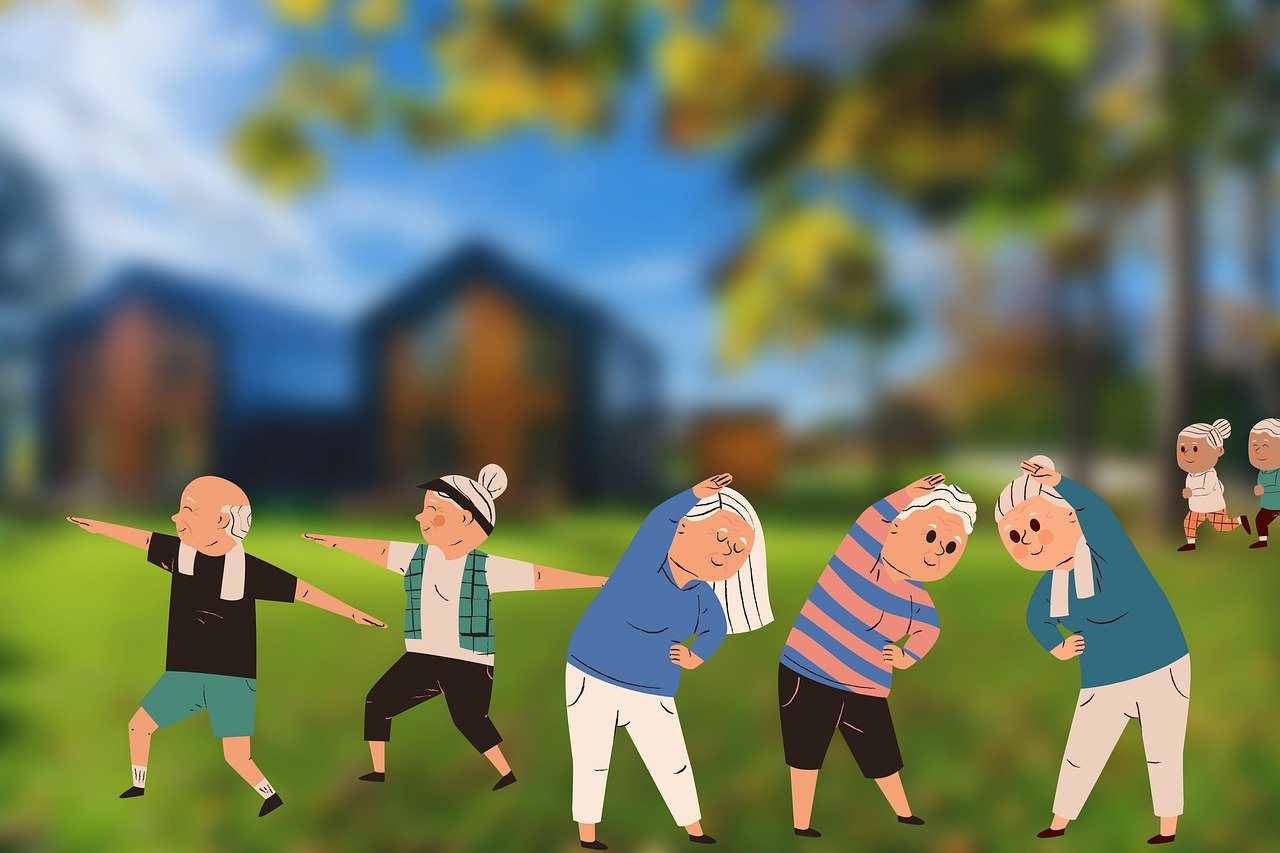

Busting Myths: The Reality of Exercise for Seniors
Many people hold onto the notion that seniors should avoid exercising because it may be too strenuous or risky for their health. This idea is a common myth that could hinder seniors from enjoying the myriad of health benefits that come with physical activity. In fact, research shows that exercise is crucial for older adults as it contributes to better mobility, improved strength, and reduced risks of chronic diseases. Regular physical activity helps maintain a healthy weight, boosts mood, and enhances cognitive function. Practicing safe exercise routines can mitigate injury risks, empowering seniors to engage in more challenging activities over time. Moreover, various low-impact workouts are available, ensuring that every senior can participate regardless of their fitness level. These can include walking, swimming, or yoga, promoting overall wellness. As a result of dismissing this widely held belief, countless seniors may indeed miss out on living more fulfilling lives. It is essential for healthcare providers, family, and the community to support active lifestyles among seniors and dispel myths that discourage their involvement in fitness activities.
Another prevalent myth surrounding senior fitness is that strength training is exclusively for younger individuals or professional athletes. This misconception can lead many seniors to overlook the significant benefits that weight lifting and resistance exercises can provide. In truth, incorporating strength training into a senior’s exercise regimen can help combat age-related muscle loss, known as sarcopenia. Studies have demonstrated that older adults who engage in regular strength training can see impressive improvements in muscle mass, endurance, and their overall quality of life. Quite contrary to popular belief, lifting weights does not lead to bulkiness in seniors but rather tones the body and boosts metabolic rates. Additionally, improved muscle strength translates into increased stability and balance, which can prevent falls and injuries. Many seniors are surprised to find that they can start strength training with light weights, resistance bands, or even body-weight exercises tailored to their comfort level. Fitness professionals recommend incorporating strength training at least twice a week to maximize its benefits while ensuring safety. Therefore, it is vital to encourage more seniors to embrace the advantages of strength training through education and tailored fitness programs.
Exercising Only in Groups
Another pervasive myth is that seniors should only engage in exercise as part of a group activity. While social interaction through group exercise can be enjoyable and beneficial, believing it’s the only way to work out is misleading. Many seniors prefer exercising alone or would like to start a solo fitness journey that suits their preferences. Interestingly, exercising alone has its own unique set of advantages, including the ability to choose activities that match individual fitness levels and schedules. A personalized exercise regimen allows for greater flexibility and encourages seniors to explore diverse fitness options, such as walking, cycling, or swimming. Furthermore, solo workouts can serve as a form of meditation, allowing seniors to connect with their thoughts and decompress. Although social engagement can be a motivating factor, it is essential for seniors to recognize that working out independently can be equally effective. Moreover, many online resources and apps provide tailored workout plans specifically for seniors, allowing them to easily explore personalized choices. Hence, embracing both individual and group exercise can enhance seniors’ overall well-being and satisfaction.
One of the most damaging myths about senior fitness is the belief that older adults should only participate in low-intensity activities to avoid any injury. While it is true that seniors need to be cautious, it does not mean that they must limit themselves to gentle exercises exclusively. Many seniors are fully capable of engaging in moderate to vigorous-intensity workouts, provided they receive proper guidance and start gradually. Engaging in higher-intensity exercise can enhance cardiovascular health, strength, and stamina. Activities such as brisk walking, swimming, dancing, or circuit training can play a vital role in maintaining fitness levels and promoting longevity. It is essential for seniors to consult with healthcare professionals or certified trainers who can assess their fitness level and recommend appropriate activities that promote both safety and progress. By gradually increasing intensity based on personal capabilities, seniors can experience significant improvements in their physical fitness and mental well-being. Therefore, the notion that seniors must limit their exercise intensity is a misconception that discourages optimal physical health and quality of life.
Age Should Dictate Activity Levels
Another belief that often restricts seniors is the myth that age alone should dictate their activity levels and exercise choices. Many seniors mistakenly assume that once they reach a certain age, they must drastically limit their physical activity. However, age should not serve as a determining factor in one’s capacity to exercise. Each individual possesses a unique health profile, fitness level, and personal preference, which makes it imperative to tailor physical activity to meet specific requirements instead. Seniors engaging in various activities within their physical capabilities can remain active well into their golden years. It is also essential to highlight that age does not equate to inability. Many individuals in their 60s, 70s, and even 80s achieve remarkable accomplishments in fitness, whether it be completing marathons, practicing yoga, or lifting weights. Empowering seniors to embrace their unique interests can inspire them to explore a range of activities that enhance their independence, mobility, and life satisfaction. Together, we must help change and reshape the narrative surrounding age and its influence on physical activity.
Some seniors may believe that they do not need to rely on guidance from fitness professionals for their exercise routines. This myth can lead to ineffective workouts unless seniors possess prior experience or knowledge about physical activity. Tailoring fitness programs to an individual’s specific needs, goals, and limitations is essential, particularly for older adults. Consulting with a fitness expert or physical therapist ensures that proper techniques, modifications, and a well-rounded approach to fitness are incorporated into their routines. Education helps to maximize benefits while minimizing risks, which is especially crucial for seniors prone to injuries or health conditions. Moreover, fitness professionals can provide insights on strategies for building balanced workout regimens that include strength training, aerobic exercises, and flexibility routines. Many seniors appreciate having the opportunity to connect with professionals who specialize in senior fitness and understand their unique challenges. Therefore, encouraging seniors to seek guidance can help them embark on safe and effective fitness journeys tailored to their personal goals. A solid foundation will ensure a sustainable and enjoyable activity level in their everyday lives.
The Importance of Consistency
Finally, some might believe that sporadic exercise is sufficient for maintaining fitness in older adults. However, intermittent activity does not yield the same health benefits as regular, consistent workouts. Establishing a routine is vital for enhancing physical health, cognitive function, and emotional well-being. Seniors who make fitness a regular part of their lives can experience remarkable improvements in flexibility, strength, and resilience. Moreover, the more consistent a senior is in their exercise routines, the more likely they are to form long-lasting habits that contribute positively to their overall lifestyle. Transportation options, local facilities, and online resources can provide seniors with ample opportunities to find what works for them. Today, various age-appropriate classes are available which cater to seniors with similar goals and interests. Engaging in consistent activity helps seniors develop relationships with fellow participants while also increasing overall motivation levels. In summary, regular exercise is key for seniors to derive maximum benefits, enabling them to live healthier, more vibrant lives. Let’s champion regularity in senior fitness to usher in vitality and longevity in this vibrant community.