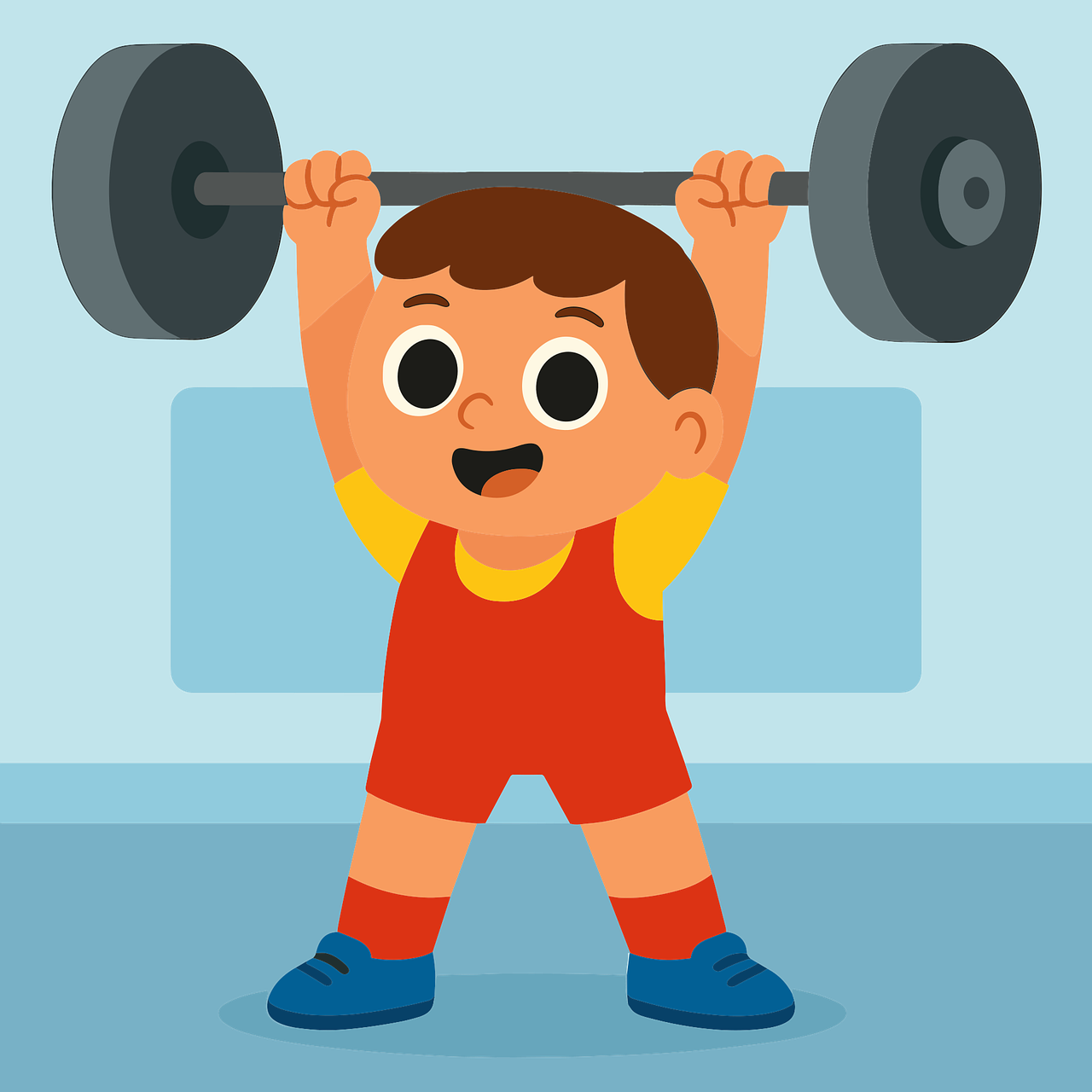

Building a Strong Foundation: Strength Training Basics for Kids and Teens
Strength training is not just for adults; it plays a crucial role in the lives of kids and teens. By incorporating strength training into their fitness routines, young individuals can enhance their physical performance and foster a lifelong commitment to health. Among the key benefits are increased muscle strength and improved coordination. Strength training helps children and teens develop the necessary foundation for more complex physical activities. Furthermore, it can instill valuable life skills such as discipline and goal-setting. Maintaining a well-structured routine encourages regular participation in physical activities, helping to mitigate issues like childhood obesity. Also, promoting a positive self-image is vital for adolescents grappling with self-esteem. To get started, it’s crucial for parents and guardians to involve qualified trainers or coaches who can provide guidance. Ensuring proper technique is essential to avoid injuries. Additionally, it sets the tone for a safe training environment by being cognizant of age-appropriate exercises. Ultimately, strength training can set the stage for a lifetime of physical health and confidence in kids and teens.
Understanding Strength and Conditioning
The principles of strength and conditioning encompass a variety of approaches tailored to the needs of kids and teens. The fundamental principles revolve around age-appropriate exercises designed to enhance fitness safely. Programs should emphasize foundational movements such as squats, lunges, and push-ups, establishing a strong base of strength. These exercises not only help build muscle but are also pivotal for developing balance, flexibility, and stability. Each training session should focus on proper warm-up routines, which prepare the body for physical exertion. Cooling down after sessions is equally important to aid recovery. Gradually increasing the intensity of workouts ensures that young athletes are challenged while avoiding overexertion. Furthermore, varying training styles can keep sessions enjoyable and engaging; introducing games or challenges may encourage teamwork and social interaction. Staying hydrated is critical during workouts; children and teens should be educated on the importance of water intake. Nutritional support also plays a significant role in enhancing performance. A balanced diet fuels training and accelerates recovery, setting participants up for success in strength training.
Safety is paramount when teaching kids and teens about strength training. Proper supervision can reduce the risk of injuries, which is essential for maintaining motivation and interest in fitness. Coaches or trainers should be familiar with the right techniques and equipment suitable for younger athletes. For instance, bodyweight exercises should be prioritized as they require no specialized equipment and can be performed anywhere. Moreover, introducing light weights can be beneficial once the basic techniques have been mastered. Parents should encourage their children to voice any discomfort during training. Listening to their bodies is crucial for promoting a healthy training environment. Furthermore, children should be taught appropriate rest intervals to allow for muscle recovery and growth. Scheduling rest days between intense workouts is essential for reducing fatigue and preventing burnout. Learning about the signs of overtraining can further empower kids and teens to take charge of their training. Incorporating fun challenges can encourage teamwork, making workouts more enjoyable. Ultimately, safety and enjoyment should be prioritized to foster a long-lasting commitment to fitness.
The Importance of Consistency
Consistency in strength training is crucial for kids and teens to reap the long-term benefits of their efforts. Regular workouts foster progress by steadily promoting muscle growth and enhancement in strength. Establishing a routine helps participants understand fitness’s vital role in their overall lifestyle. Creating a schedule that includes both strength training and other activities can reinforce their commitment to seeking better health. Along with structured programs, finding ways to make workouts enjoyable can inspire kids to stay engaged. Including friends can also serve as motivation for young athletes; social support plays an important role in maintaining consistent effort. Attending classes or group sessions can provide encouragement and accountability. Encouraging friendly competition can also help foster a drive to improve. Integrating flexibility and aerobic exercises alongside strength training creates a well-rounded program tailored to young athletes’ needs. It’s essential to educate kids about the importance of recognizing their progress, regardless of how small. Building confidence in their capabilities can inspire them to persist through challenges. Ultimately, consistency, enjoyment, and a supportive environment create the ideal atmosphere for kids and teens to thrive in strength training.
Nutrition and hydration are critical components in supporting successful strength training among kids and teens. A well-balanced diet rich in vitamins, minerals, and protein plays an essential role in developing strength and maximizing recovery. Foods such as lean meats, fish, eggs, legumes, fruits, and vegetables should be staples in their diet. Additionally, incorporating whole grains ensures that young athletes have the energy they need to fuel workouts. Eating before and after training sessions is also important, as it aids in performance and recovery. Snacks like yogurt, smoothies, and nuts can serve as excellent options for post-workout replenishment. Hydration cannot be overlooked, especially during intense physical activities; encouraging regular water intake ensures proper hydration levels are maintained. Educating children on the signs of dehydration helps them make informed choices about when to drink water. It’s vital to understand that proper nutrition isn’t just about physical benefits; it also affects mood and mental performance. Teaching kids to listen to their bodies and nourish them properly instills lifelong healthy eating habits. All these nutritional components work together to create the best possible outcome in a strength training program.
Setting Realistic Goals
When it comes to strength training for kids and teens, setting realistic goals is essential for maintaining motivation and tracking progress. Short-term and long-term goals help participants understand their achievements and maintain expectations appropriate for their age and fitness levels. Goals can be tailored to focus on various aspects of strength training, including the number of repetitions, enhancing technique, or increasing endurance. Tracking progress using simple charts or logs can provide tangible evidence of their growth, paving the way for positive reinforcement. Regularly reviewing goals encourages accountability and can foster a sense of accomplishment. Furthermore, kids should understand that progress takes time; patience is a vital aspect of any training program. Celebrating small victories helps boost their confidence. It reinforces the idea that success isn’t solely measured by competition but also personal growth. Encouraging an inclusive environment allows children to share their goals with peers can inspire collaborative motivation, while allowing them to learn from one another. With realistic and meaningful goals in place, kids and teens are more likely to develop a positive outlook on strength training.
In conclusion, developing strength training programs for kids and teens requires careful consideration of various factors, including safety, consistency, nutrition, and goal setting. Emphasizing a strong foundation ensures that younger individuals gain the maximum benefits from their training efforts. As they grow, it’s essential to adapt their programs in line with their evolving needs and capabilities. Encouraging participation in diverse physical activities nurtures the fundamental skills necessary for overall athletic development. Additionally, fostering a supportive environment allows kids to thrive, recognizing each participant’s unique journey in fitness. With professional guidance, children can embark on a fulfilling strength training journey that translates into improved athletic performance, better health, and increased self-confidence. Ultimately, establishing healthy habits now will have a positive effect throughout their lives. The lessons learned from strength training can provide them with valuable skills that extend beyond physical wellness. By promoting a culture of fitness awareness and positive self-image, we can cultivate a future generation that prioritizes their health and well-being. As parents, coaches, and mentors, our role is essential in guiding young individuals to embrace strength training wholeheartedly.