
Brazilian Martial Arts and Its Role in Community Building
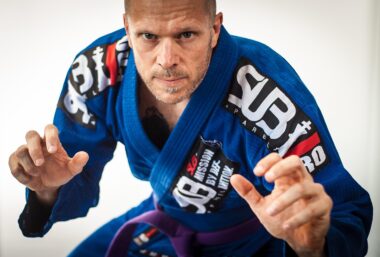
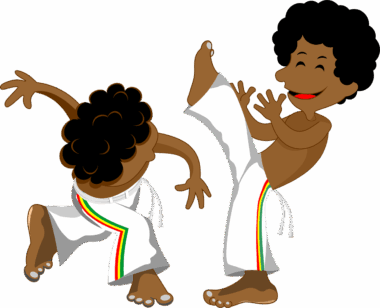
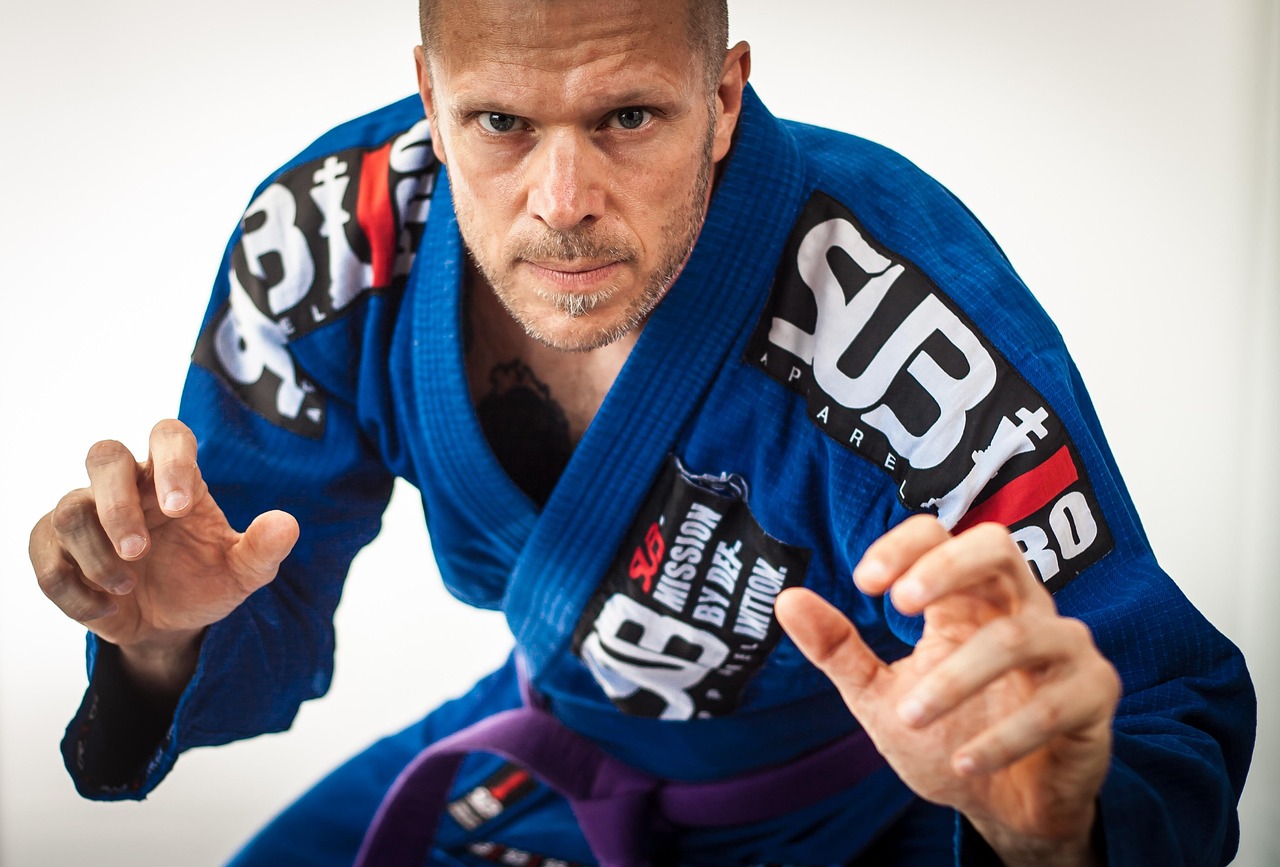
Brazilian martial arts have a significant place in the cultural fabric of Brazil. These arts, including Capoeira and Brazilian Jiu-Jitsu, are not just forms of physical activity; they play an essential role in cultivating community spirit. These disciplines promote values such as respect, discipline, and perseverance. Such values are vital in forming strong community ties. Participants in Brazilian martial arts often engage in collaborative training, fostering relationships among individuals from diverse backgrounds. This provides a platform for social interaction and cultural exchange, which is incredibly enriching. Furthermore, the environment within Brazilian martial arts schools encourages personal growth and development. Individuals often find mentorship through instructors who guide them in their practice. This mentorship helps instill confidence and self-worth, essential elements for any community member. By creating a safe space for expression and development, Brazilian martial arts schools offer participants a second home. This creates a sustainable community where individuals are empowered to contribute positively to society. In essence, Brazilian martial arts create strong bonds within the community while promoting physical health and emotional support.
Empowerment Through Self-Defense
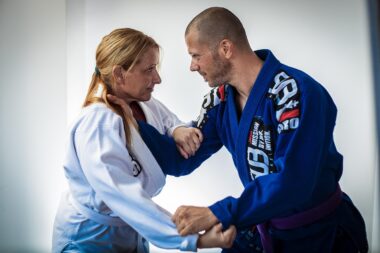
One of the most empowering aspects of Brazilian martial arts is their focus on self-defense. Individuals, particularly women, often find a sense of security through learning these skills. The techniques taught in Brazilian Jiu-Jitsu, for instance, emphasize the ability of a smaller person to defend against larger aggressors. This aspect of training not only equips participants with physical skills but also promotes psychological resilience. A confident individual, who understands their capacity for self-defense, can engage more fully in their community. Training sessions commonly include discussions about personal safety and awareness. This holistic approach fosters critical thinking, empowering participants to navigate their environments safely. In addition to physical training, community workshops often address real-life scenarios where these skills may be applicable. By participating in Brazilian martial arts, individuals cultivate both a sense of community belonging and self-empowerment. These programs also encourage outreach, as many schools provide classes that cater to different groups within the community. This outreach can include free workshops aimed at marginalized populations, making martial arts more accessible and inclusive for everyone.
Brazilian martial arts extend beyond personal development; they promote overall community well-being. Many academies contribute to local events by showcasing their arts at festivals and community gatherings. These events often serve as a celebration of culture, drawing interest from outside the martial arts community. When Brazilian martial arts schools participate in community events, they provide an opportunity for others to learn about their practices. This openness fosters a broader appreciation for the unique cultural nuances of Brazilian martial arts. As people engage in these demonstrations, they may feel inspired to join classes, expanding the martial arts community locally. These connections lead to increased enrollment, further enhancing the school’s involvement in the community. Local partnerships may also emerge, where schools collaborate with nearby organizations. These collaborations can host seminars or fundraisers benefiting local charities. In such ways, Brazilian martial arts schools not only create skilled practitioners but are also vital in nurturing a strong, interconnected community. The impact is profound as it transforms the perception of martial arts from mere combat to a pathway towards collective growth and solidarity.
Creating Inclusive Spaces
Inclusivity is another hallmark of Brazilian martial arts practice. These disciplines attract individuals from diverse backgrounds; everyone is welcome regardless of age, gender, or socioeconomic status. The non-discriminatory nature of martial arts promotes unity, helping participants forge meaningful relationships. Brazilian martial arts schools often reflect the diversity of the communities they inhabit. As class members learn from one another, appreciation of different perspectives flourishes. Programs may be tailored to address the unique needs of specific groups. For example, classes designed for children, elders, or people with disabilities can be found in various schools. This creates an environment where everyone feels valued and recognized. Practicing together allows individuals to draw on one another’s strengths, fostering a greater sense of belonging. Sharing different experiences enriches the training environment, making it a source of personal evolution for participants. The very act of gathering to train together reinforces bonds within the community. Through this shared experience, Brazilian martial arts contribute significantly to social cohesion and collective identity in increasingly diverse societies.
Brazilian martial arts have an inherent cultural richness reflecting Brazil’s diverse heritage. With roots in African, Indigenous, and European traditions, these martial arts represent a fusion of influences. By promoting awareness of this fascinating history, practitioners foster pride within their communities. Understanding the origins of their practice instills a sense of responsibility towards preserving this cultural legacy. Schools may organize events that celebrate specific cultural aspects through festivals or themed training sessions, creating a fun learning environment. Participants learn not only techniques and strategies but also engage with the historical significance of their practice. Immersing themselves in this cultural context enhances their connection to the arts. Additionally, these celebrations serve as informative platforms where community members share their stories. This sharing promotes intergenerational dialogue about the arts’ significance and its contextual relevance today. As younger generations learn about their heritage, they reinforce their bond with their community. This drive to preserve cultural identity helps to strengthen the community’s framework, prioritizing the inclusion of past knowledge within modern practices. Thus, Brazilian martial arts not only facilitate physical training but also promote cultural education and community solidarity.
Strengthening Youth Development
Youth development is another critical area where Brazilian martial arts play a key role. Classes often attract young individuals, providing them with a constructive outlet for their energy. Within these environments, youth are encouraged to collaborate, learn vital life skills, and grow as individuals. Structured training schedules promote discipline and routine, essential elements in steering youth toward healthy lifestyles. Participants build essential skills, including teamwork, leadership, and social communication. As they advance, youth take on mentors for newer students, reinforcing their development. Importantly, Brazilian martial arts also teach conflict resolution techniques. By practicing martial arts, young individuals learn to de-escalate fights, promoting peace within their communities. This positive conflict resolution can significantly benefit school environments. Observing youth demonstrating confidence and restraint helps shift community perceptions regarding violence and aggression. These martial arts ultimately lead to healthier communities, invested in youth empowerment. Training environments often extend to mentorship programs, where older students become role models. This space nurtures future leaders committed to making positive changes within their communities. By reinforcing these ideals, Brazilian martial arts contribute significantly to the holistic development of the youth within their communities.
In conclusion, Brazilian martial arts hold immense potential for community building. These arts offer numerous benefits that extend beyond self-defense. They create inclusive spaces fostering diversity and unity while encouraging personal growth and empowerment. The cultural appreciation and historical connection enhance the identity of practitioners and enrich the communities they represent. Involving youth in this framework also ensures the continuity of values for future generations. Community participation in martial arts positively influences perceptions, connecting residents through shared experiences. As more individuals engage in these practices, communities become increasingly resilient in times of challenges. Organizations and schools focusing on outreach and accessibility attract wider audiences, bridging gaps between various groups. Ultimately, the inherent values of Brazilian martial arts nurture harmonious societies, where members support one another. Through shared experiences, individuals forge lasting connections, leading to a more vibrant community. The legacies created through martial arts practices can last generations, embodying a commitment to positive change and inclusivity. Thus, as Brazilian martial arts continue to evolve, their roles in community building become increasingly vital, fostering resilience, engagement, and unity across diverse populations.