
Recovery Techniques After Outdoor CrossFit Sessions
Outdoor CrossFit workouts can be invigorating and rewarding, but the physical challenges they present require proper recovery techniques. Recovery is essential for muscle repair, reducing soreness, and improving performance in future workouts. One effective recovery technique is hydration. Post-workout, it’s crucial to replenish lost fluids by drinking water or electrolyte-rich beverages. This helps to restore balance and promote the recovery process. Additionally, consider proper nutrition to assist recovery. Consuming a balanced meal or snack that includes protein and carbohydrates after your workout will aid in muscle repair and replenish energy stores. Foods like yogurt, bananas, and whole grains are excellent options. Stretching is another vital technique to enhance recovery. Engaging in static stretching can improve flexibility and help relieve muscle tightness. Visualization techniques are also beneficial as they can mentally prepare you for your next training session. Lastly, incorporate restful sleep into your routine. Adequate sleep is key to physical recovery, allowing your body to heal and rebuild itself stronger than before. Make recovery not just an afterthought but an essential part of your training regimen for optimal performance.
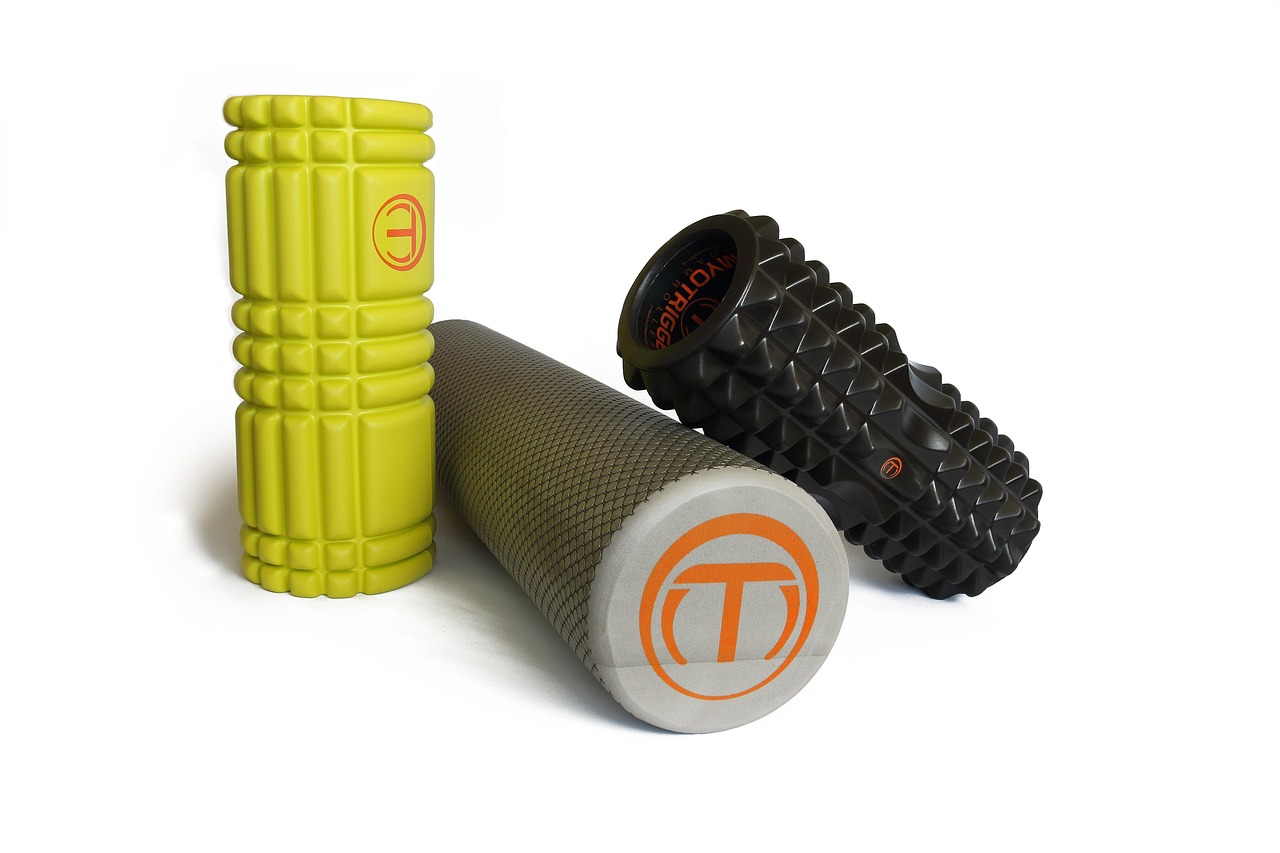
When engaging in outdoor CrossFit workouts, another critical aspect of recovery comes in the form of active recovery. Instead of complete rest, consider low-intensity activities like walking or cycling at an easy pace. These activities help blood flow to your muscles, reducing stiffness and speeding up recovery times. Massage therapy is a popular option for muscle recovery as well, either through professional services or self-massage tools like foam rollers. This form of soft tissue mobilization can help release muscle knots and tension, allowing you to feel more comfortable in your next workout. Cold therapy, including ice baths or cold compresses, can be incredibly effective for reducing inflammation and muscle soreness after intense sessions. On the other hand, contrast therapy, alternating between hot and cold treatments, can also stimulate recovery by enhancing circulation. Mindfulness techniques, such as yoga or meditation, can help both your physical and mental recovery. By managing stress and allowing your mind to relax, you can significantly enhance your overall workout performance. Prioritize implementing these recovery strategies regularly to maintain your fitness level and overall health.
Nutrition for Recovery
Nutrition plays a pivotal role in recovery after outdoor CrossFit sessions. Understanding the importance of nutrient timing can significantly enhance your recovery process. Aim to consume a meal or snack rich in protein and carbohydrates within thirty minutes of finishing your workout. This timeframe is often referred to as the “anabolic window,” a crucial period for muscle recovery. Quality protein sources such as chicken, fish, or legumes help in muscle repair and growth. Carbohydrates, on the other hand, help replenish glycogen stores depleted during intense workouts. Including healthy fats in your post-workout meal can also be beneficial, contributing to overall nutrition. In addition, consider incorporating foods with anti-inflammatory properties such as berries, spinach, and nuts into your diet. These foods can help combat exercise-induced inflammation, ensuring a smoother recovery journey. Hydration, as previously mentioned, cannot be overlooked either. Drinking water before and after your workouts helps minimize fatigue and enhances cognitive function, enabling more effective training. Taking small steps in improving your nutrition post-workout can lead to longer-lasting benefits, ultimately enhancing your performance in future outdoor workouts.
Supplementation is another avenue that many CrossFit athletes explore for aiding recovery. Certain supplements, such as branched-chain amino acids (BCAAs) or whey protein, may enhance recovery when taken post-workout. BCAAs can help minimize muscle soreness and promote muscle protein synthesis, leading to faster recovery times. Omega-3 fatty acids, known for their anti-inflammatory properties, are also beneficial for recovery, reducing muscle soreness and promoting joint health. For general wellness, a good multivitamin may complement your diet, ensuring you’re getting adequate vitamins and minerals necessary for optimal recovery. However, it’s essential to consult with a healthcare professional before introducing new supplements into your routine to ensure they are suitable for your lifestyle and needs. Experimenting with different post-workout nutrition and supplementation strategies can help you discover what works best for your body. Keep in mind that everyone’s recovery needs may differ. Listening to your body and observing how it responds can guide you in crafting a routine tailored specifically for you. Stay open-minded and adaptable in your approach to recovery.
Rest and Sleep
Rest and sleep often play a role that is overlooked in recovery processes. Prioritize getting adequate sleep as this is during sleep that your body heals and regenerates tissue. Aim for seven to nine hours each night to optimize recovery efficiency. Create a sleep-friendly environment by keeping your bedroom dark, cool, and quiet. Establishing a relaxing bedtime routine can further improve your sleep quality. Consider incorporating practices such as reading or gentle stretching before bed. Power naps can also provide a significant boost in recovery. Even a 20-minute nap during the day can enhance alertness and boost recovery efforts. Be mindful of your workload and how it might impact your recovery. If you’re noticing signs of overtraining, make adjustments to rest well and keep your workouts sustainable. Pay attention to how your body feels—if you are continuously fatigued, perhaps you need additional rest days. Remember that balance in your workout and recovery strategies contributes to long-term success. Allow your body to adapt and recover fully to maximize the benefits of each CrossFit session, ensuring that you remain fit and healthy.
Your recovery means more than simply taking a few rest days; it encompasses a holistic approach that includes mental recovery. Outdoor workouts can be mentally taxing, and taking time for mental recovery is important. Activities such as meditation, mindfulness, or simply engaging in hobbies can clear your mind and promote mental clarity. Consider taking leisurely walks in nature, which can serve as both psychological and physical recovery, enhancing your sense of well-being. Engaging with fellow CrossFit enthusiasts in supportive activities can also bolster your emotional recovery, creating a sense of community and encouragement. Analyze your training patterns and recognize when certain workouts may be mentally draining. Adjusting your goals and expectations may also aid in preventing burnout and maintaining motivation. Rest periods or lighter training days scheduled into your week can provide much-needed mental relief. Implementing a comprehensive recovery strategy, addressing both physical and mental aspects, will lead to significant improvements in your overall performance and enjoyment of your workouts. Acknowledge the importance of taking time for yourself, which ultimately cultivates a more sustainable and enjoyable fitness lifestyle.
Conclusion
In conclusion, outdoor CrossFit workouts present unique challenges that require a multifaceted recovery approach. By integrating hydration, nutrition, active recovery, and adequate rest into your routine, you give your body the necessary tools to repair and grow stronger. Don’t overlook the benefits of mental recovery and community support; they are equally essential to your fitness journey. Informative strategies like supplementation, cold therapy, and stretching play roles in optimizing recovery. Find what works best for your body, and emphasize consistency in your recovery habits. Outdoor CrossFit is as much about recovering effectively as it is about pushing your limits; don’t underestimate it. Prioritizing recovery in your training will enhance your performance and longevity in the sport. Always listen to your body and adjust your strategies accordingly. Celebrate your achievements and the recovery process itself as part of your overall fitness journey. This awareness allows you to maintain a healthy balance between intense training and restorative practices. Ultimately, understanding recovery will lead to increased enjoyment in your workouts and improved athletic skills.
Your recovery means more than simply taking a few rest days; it encompasses a holistic approach that includes mental recovery. Outdoor workouts can be mentally taxing, and taking time for mental recovery is important. Activities such as meditation, mindfulness, or simply engaging in hobbies can clear your mind and promote mental clarity. Consider taking leisurely walks in nature, which can serve as both psychological and physical recovery, enhancing your sense of well-being. Engaging with fellow CrossFit enthusiasts in supportive activities can also bolster your emotional recovery, creating a sense of community and encouragement. Analyze your training patterns and recognize when certain workouts may be mentally draining. Adjusting your goals and expectations may also aid in preventing burnout and maintaining motivation. Rest periods or lighter training days scheduled into your week can provide much-needed mental relief. Implementing a comprehensive recovery strategy, addressing both physical and mental aspects, will lead to significant improvements in your overall performance and enjoyment of your workouts. Acknowledge the importance of taking time for yourself, which ultimately cultivates a more sustainable and enjoyable fitness lifestyle.