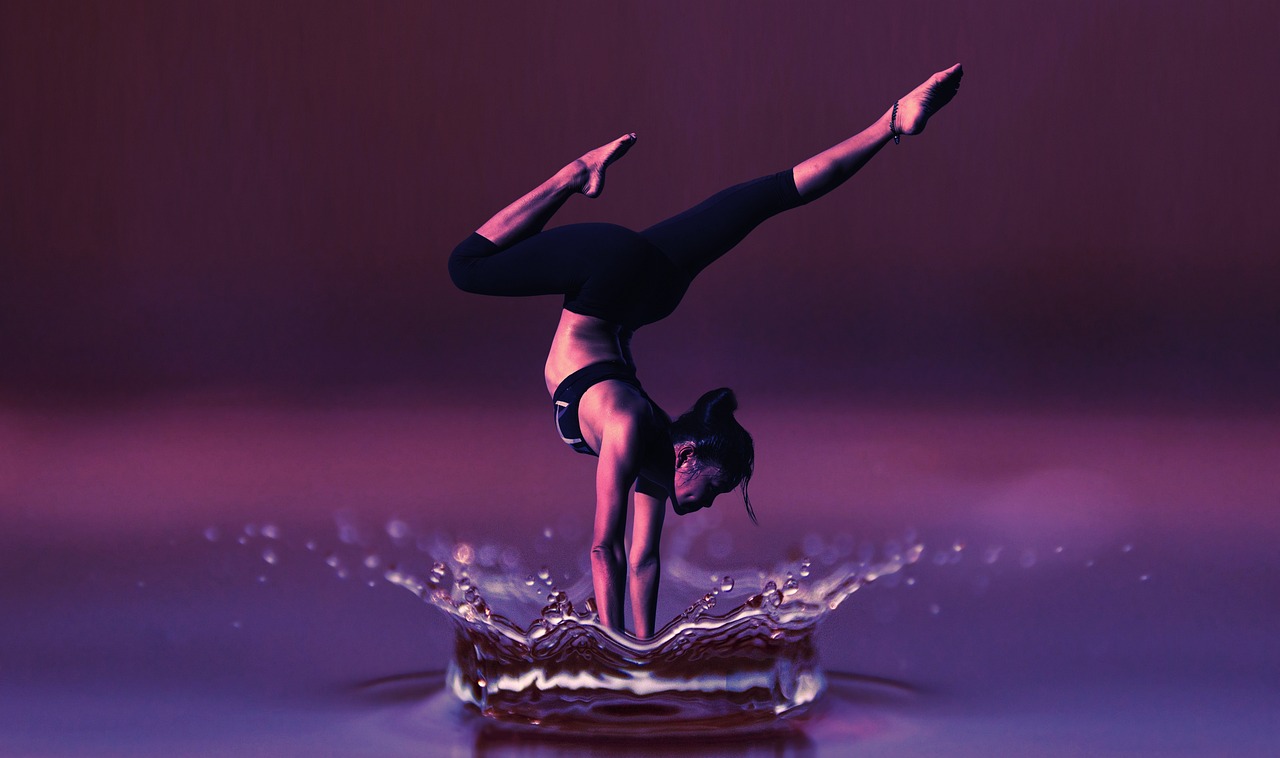

How Dance Fitness Workshops Improve Mental Wellbeing
Dance fitness workshops have gained popularity for their energetic atmosphere and ability to uplift participants. They provide an engaging environment that encourages physical activity while allowing for personal expression through movement. The social aspect of these workshops is fundamental, as attendees often meet like-minded individuals, which contributes to a sense of community. This social interaction can significantly reduce feelings of loneliness or anxiety that some may face. Moreover, the energy generated by dancing also releases endorphins, commonly known as the body’s feel-good hormones. This biochemical process can lead to an improved mood and overall mental health. Additionally, dance fitness sessions often feature a variety of genres, allowing participants to explore different styles, which keeps the workouts exciting and fresh. This dynamic approach not only helps in maintaining motivation but also offers a creative outlet that many people might find beneficial. By fostering a holistic approach that nurtures both the body and the mind, dance fitness workshops can be a valuable addition to mental wellness routines. Furthermore, many find the combination of rhythm, music, and movement a captivating experience that keeps them coming back for more.
Benefits of Dance Fitness for Mental Health
These workshops are not only about physical fitness; they address mental health in powerful ways. Engaging in dance can lead to improved self-esteem as individuals often recognize their growth and achievements. Successfully learning and executing dance routines fosters a sense of accomplishment, affecting how one perceives themselves positively. Additionally, there is this profound connection between music and emotions. When participants engage in dance fitness, they often connect with the music, evoking memories and feelings that can be cathartic. This expression through movement allows for the release of pent-up emotions, reducing stress and tension. Furthermore, as people delve deeper into dance styles, they often learn about their body’s capabilities. This newfound awareness can encourage a healthier relationship with one’s body, promoting body positivity. It’s common for workshops to incorporate mindfulness techniques, which also contribute to mental clarity. By centering attention on movement and breathing, participants can achieve a state of flow that brings about relaxation. Workshops not only engage fitness but also enhance mental resilience, preparing individuals to face life’s challenges with a more grounded mindset.
Moreover, the structure of dance fitness workshops provides both routine and novelty, essential elements for mental wellness. Attending regularly scheduled classes fosters a sense of predictability, which can be comforting. Participants often develop friendships, enhancing accountability and making attendance enjoyable. This connection turns exercise into an event to look forward to, rather than a chore. Conversely, the variety in dance styles keeps the experience fresh and exciting, which combats the monotony often associated with traditional workout regimens. Also, learning new choreography stimulates the brain, enhancing cognitive function. This can be particularly beneficial for older adults who wish to keep their minds sharp. Participation in dance fitness encourages not just physical but also cognitive activity, supporting overall mental health. Additionally, during these workshops, there’s often an emphasis on positivity and encouragement from instructors and peers alike. This supportive environment promotes confidence and reinforces the idea that everyone, regardless of skill level, is welcome. As individuals witness their progress over time, it helps build resilience and fosters an atmosphere where personal boundaries are pushed while still feeling safe and accepted.
Coping Mechanism for Stress
Dance fitness workshops serve as an effective tool for managing stress and anxiety. Participants are often able to release tension through movement, letting go of negative energy accumulated in daily life. This cathartic release not only eases stress but also promotes relaxation, allowing for better mental clarity. Moreover, as music plays a pivotal role in these workshops, it can evoke powerful emotional responses. This emotional journey during dance classes becomes a form of therapy for many, providing an outlet to cope with life’s difficulties. Participants frequently share their stories about how engaging in regular dance workouts positively alters their mental framework. Additionally, dance fitness is known to enhance social support networks. By connecting with others in a similar journey, attendees create bonds that help them face personal challenges. This strengthened community support plays a vital role in improving mental health, instilling a sense of belonging that is often lacking in everyday life. Knowing that others understand one’s journey encourages individuals to embrace their vulnerabilities, leading to significant acceptance and healing over time.
Furthermore, the active participation in dance fitness workshops allows individuals to take a break from life’s pressures and distractions. Immersed in the rhythm and movement, participants can find solace in the moment. This mindfulness aspect is crucial to grasping and processing emotions. As the body dances, the mind often learns to let go of anxieties and worries, creating a space where healing occurs. Instructors also play a vital role in fostering an uplifting environment where everyone is encouraged to express themselves freely. They often incorporate themes related to mental well-being, inspiring participants to channel their energy positively. This positively reinforces the connection between mental health and physical activity. Moreover, the importance of consistent participation cannot be overstated, as it cultivates resilience over time. Attendees often report feeling a reduction in their symptoms related to anxiety and depression due to their active engagement. Additionally, dance fitness workshops can serve as a stepping stone into a more holistic lifestyle, inspiring participants to explore further avenues that promote both physical and mental well-being.
Conclusion: Embracing Dance for Better Mental Health
In conclusion, dance fitness workshops emerge as a powerful ally in improving mental well-being. Their multifaceted approach incorporates physical activity, social interaction, and creative expression, providing a holistic framework for mental health. Participants often leave classes feeling revitalized and fulfilled, demonstrating the profound impacts of movement on mood. As these workshops continue to grow in popularity, it’s essential for individuals to recognize their potential to foster community and personal growth. By choosing to engage in such activities, one opens the door to a world filled with joy, connection, and resilience. Moreover, as more people embrace this form of fitness, the stigma surrounding mental health can significantly decrease. Communities can come together to work toward a common goal: improved mental well-being through dance. It’s crucial for individuals to remember that taking care of mental health is just as important as physical health. Dance fitness workshops offer an inviting and non-judgmental space that nurtures and supports participants in their journeys. As we continue to navigate life’s challenges, dance emerges not just as exercise but as a source of healing and empowerment for individuals everywhere.
Therefore, for those looking for a fun and effective way to enhance their mental health, dance fitness workshops present an excellent opportunity. They serve as a perfect blend of movement, music, and camaraderie, uplifting spirits and providing a sense of belonging. Attending these workshops can lead individuals to explore their creativity while improving their physical fitness. It’s a unique chance to step out of comfort zones and discover new forms of self-expression in a supportive environment. With each step taken in a dance class, there is not just a physical transformation but also a mental and emotional awakening. The link between dance and mental well-being should not be underestimated; it holds the power to inspire and empower individuals facing various life challenges. By integrating dance into routines for self-care, participants invest in their overall health and happiness. Each workshop not only focuses on fitness but presents a holistic approach to mental wellness, encouraging participants to thrive. Ultimately, the benefits of engaging in dance fitness encompass far beyond the dance floor, leading to happier, healthier lives.

In summary, participating in dance fitness workshops is a unique and rewarding journey that shapes both physical and mental health. Through consistent engagement, the benefits are evident, providing individuals with tools to face their daily routines with confidence and joy. Not only does dance bring people together, but it also serves as a reminder of the joy found in movement. With the creative freedom to express oneself, attendees feel empowered to celebrate their individuality while improving overall fitness. The positive effects of dance on mental health are backed by numerous studies, reinforcing that moving to the rhythm elevates spirits and elevates life experiences. As individuals embark on their dance fitness journey, they often cultivate friendships and support systems that enhance their sense of belonging. The impact of embracing dance in our routines can lead to a more vibrant and connected community. Ultimately, dance fitness is a celebration of life, encouraging each participant to live fully, embrace their bodies, and support mental wellness. Dance fitness workshops are a testament to the idea that joy can be an integral part of health and happiness.