
Busting the Myth: Does Eating Fat Make You Fat?
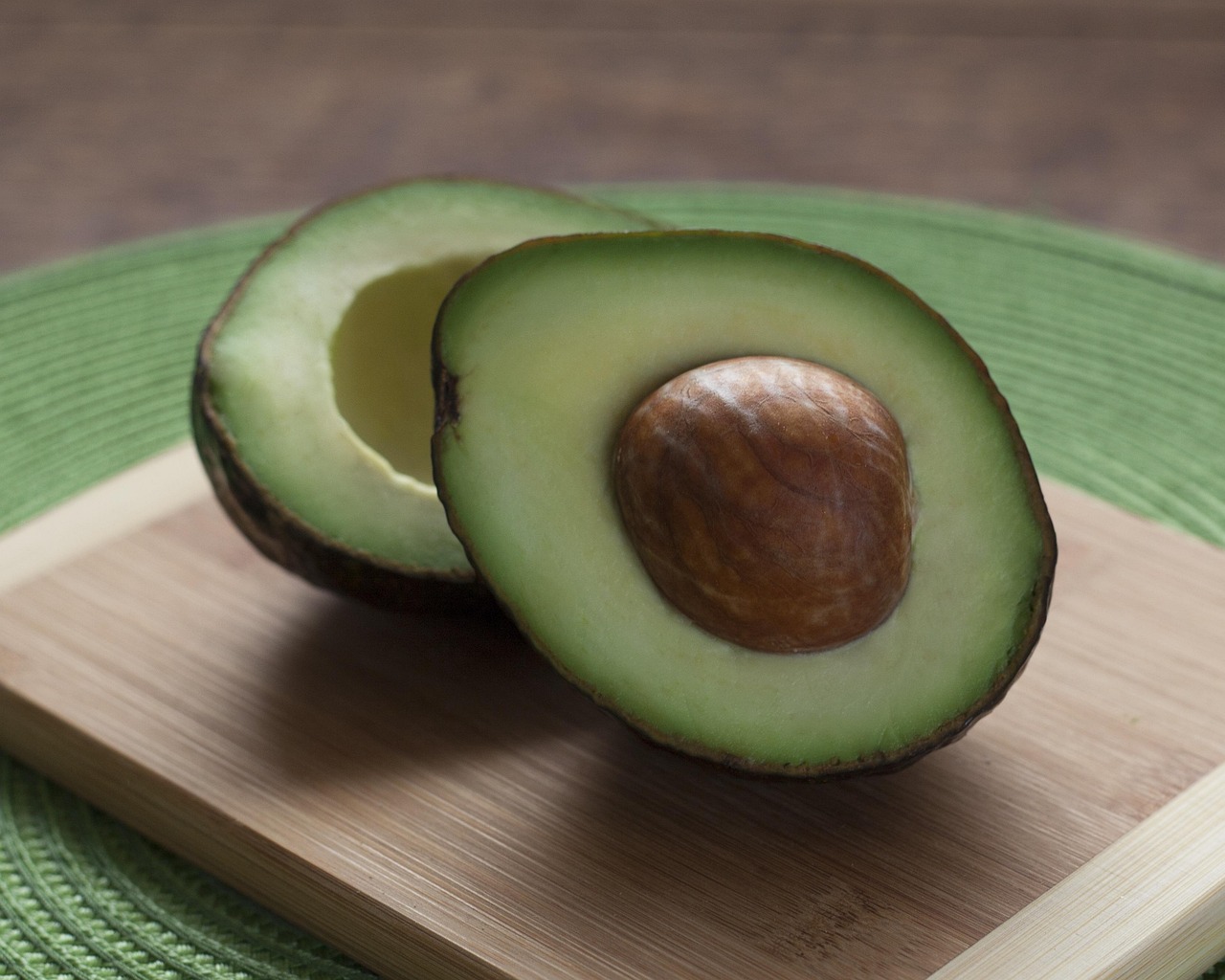
The relationship between fat consumption and weight gain is often misunderstood. Many people believe that consuming fats directly leads to increased body fat. This myth has been perpetuated by various diet trends that promote low-fat options as healthy. The reality is much more complex. Weight gain occurs when a person consumes more calories than they expend. Fat itself is not the enemy; rather, it is the overall caloric intake that matters. Additionally, the human body requires fat for numerous essential functions. Fats aid in nutrient absorption, hormone production, and cellular repair. It’s crucial to differentiate between healthy and unhealthy fats. Healthy fats, like those found in avocados and nuts, provide significant health benefits, while trans fats and excessive saturated fats can be detrimental. Thus, understanding the type of fats consumed is key. Moderation is also important, regardless of fat type. Evaluating one’s total dietary pattern, rather than solely focusing on fat intake, will lead to more balanced nutrition. Foods rich in healthy fats can actually support weight management when consumed mindfully. Awareness of these factors is vital to dispel misconceptions surrounding fat and weight.
The Science Behind Dietary Fats
Diving deeper into dietary fats reveals their essential role in our nutrition. Fats are classified into several categories: saturated, unsaturated, and trans fats. Saturated fats, typically solid at room temperature, are found in animal products and certain oils. Unsaturated fats, which are liquid, include monounsaturated and polyunsaturated fats. Healthy fats come from sources such as olive oil, fish, and nuts, while trans fats are often artificially created and linked to various health issues. Recent research highlights the importance of incorporating healthy fats into one’s diet. For instance, these fats can improve cholesterol levels and lower the risk of heart disease. When fats are consumed as part of a balanced diet, they contribute to satiety, making individuals feel fuller for longer, which can aid in weight management. Moreover, fats play a vital role in maintaining cellular function and supporting brain health. Relying solely on low-fat diets can deprive the body of essential fatty acids, making it imperative to educate individuals on fat’s importance. Understanding these nuances can help break down misconceptions surrounding dietary fats and their link to weight gain, promoting healthier dietary habits.
Addressing the psychological aspect of fat consumption is equally important. Many individuals have developed a fear of fat stemming from societal messages about body image and health. In an era dominated by restrictive diets, this fear often leads to confusion and negative relationships with food. Education is crucial in combatting these mental barriers. When people understand how dietary fats contribute to health rather than detract from it, they may begin to embrace a more balanced approach. Foods containing healthy fats, such as avocados and fish, can be integrated into meals, dispelling the notion that they are inherently harmful. Encouraging positive messaging about food diversity can help alleviate fears associated with fat consumption. Instead of categorizing foods as good or bad, a mindful approach that emphasizes moderation can promote a healthier outlook on eating. This philosophy not only normalizes fat consumption but also encourages individuals to enjoy a wide variety of nutrients. Ultimately, shifting perspectives will foster a better appreciation for dietary fat’s role in a balanced diet while advocating for overall wellness and nutrition. A focus on variety can empower individuals to cultivate a healthier relationship with food.
Many people wonder, what about specific diets? Diets like ketogenic and paleo revolve around high-fat consumption and have gained popularity in recent years. These diets suggest that fat is beneficial and can lead to weight loss when carbohydrates are minimized. Such approaches have produced success stories but also raised concerns among nutrition experts. While some individuals may thrive on low-carb, high-fat diets, this isn’t a universal solution. Individual responses to dietary changes can vary greatly. Factors such as genetics, activity level, and personal preferences all play a vital role in dietary effectiveness. Thus, a diet that works for one individual may not yield the same results for another. Balance is critical; many nutritionists recommend including healthy fats alongside a variety of other food groups. Understanding one’s body, along with expert guidance, is essential to achieving lasting health outcomes. Sustainable changes lead to better long-term health than strict dietary restrictions. Personalized nutrition that considers individual preferences and goals can foster better adherence and health benefits. The key lies in finding what works best for the individual rather than adhering rigidly to any one diet.
Practical Tips for Including Healthy Fats
Incorporating healthy fats into your diet can be both enjoyable and rewarding. Start by adding sources of monounsaturated fats, such as olive oil, to everyday cooking. You can use olive oil for salad dressings or drizzling over roasted vegetables. Another easy switch is to replace butter with avocado or nut spreads. These options are not only delicious but contribute essential nutrients. Snack time can also become a great opportunity to include healthy fats. Consider pairing fruits with nut butter or enjoying a handful of mixed nuts. These snacks are satisfying and provide beneficial fats. Additionally, consider adding fatty fish, like salmon, to your weekly meals. They are rich in omega-3 fatty acids, which are known for their heart-healthy properties. Cooking with herbs and spices can enhance the flavor of healthy fats without excess calories. Being creative with meals can transform the perception of fat from being unhealthy to a flavorful necessity. Making these adjustments will not only improve taste but also increase the nutritional quality of your meals. Start small, and gradually incorporate healthy fats to make lasting changes in your diet.
In conclusion, the misconception that eating fat makes you fat is a simplification of a multifaceted issue. Understanding the role of different types of fats in our diet allows for a more informed approach to nutrition. Healthy fats are essential for overall well-being and can even aid in weight management when consumed mindfully. Embracing a holistic view of nutrition encourages individuals to appreciate a diversity of foods, including those that contain fats. Rather than fearing fat, individuals should focus on the bigger picture of their diet, recognizing the importance of balance and moderation. By busting myths surrounding dietary fat, we empower ourselves to make more rational, health-focused choices. Seek out quality sources, and understand how fats fit into your lifestyle and dietary preferences. Remember, knowledge leads to better choices, fostering relationships with food that support health and enjoyment. Moving away from the pervasive low-fat ideology will lead to better health outcomes and an improved understanding of nutrition. So, next time you’re faced with the fat question, consider the facts and enjoy your healthy fat sources without guilt.
Continuing the conversation about dietary patterns, a key factor remains knowing how to read nutrition labels. Many processed foods can misrepresent their fat content, promoting low-fat versions while containing high sugar amounts. Understanding how to recognize healthy fats can help in making better choices. Look for foods that list healthy fats as primary ingredients, such as nuts, seeds, or avocados. Additionally, being aware of serving sizes is crucial; moderation helps avoid excessive calorie intake. Cooking methods also affect the healthfulness of fats consumed. Opt for grilling, baking, or steaming instead of frying to retain the nutrients present in healthy fats. While inclusion of fat in your diet is essential, evaluating the preparation of foods can drastically change their health impact. Being mindful of sources and preparation techniques empowers individuals to create nutritious meals without sacrificing flavor. Ultimately, knowledge about fats allows for better choices and a greater appreciation for their role in nutrition. Continue to educate yourself on dietary choices, and rely on credible sources for accurate information. This evolving understanding will contribute to healthier lifestyles and hopefully reduce the stigma surrounding dietary fats.
In recent years, nutrition has become a hot topic, as people look for effective ways to manage their health through diet. One prevalent myth that persists is the belief that eating fat makes you fat. The concept links dietary fat directly with body fat, suggesting that if you eat fat, your body will store it as fat. This misunderstanding needs clarification, as nutrition science reveals that the relationship between dietary fat and obesity is not so straightforward. The truth is that fat is a crucial macronutrient necessary for bodily functions, including hormone regulation and nutrient absorption. While it is important to monitor total caloric intake for weight management, one should not demonize fat. Additionally, the type of fat consumed plays an integral role in health outcomes. Healthy fats, like avocados and olive oil, provide health benefits and can aid in weight loss when consumed in moderation. Therefore, it is essential to differentiate between healthy and unhealthy fats in the diet context. By altering the overall perspective on fats, individuals will develop a healthier relationship with food and nutrition, avoiding unfounded fears associated with dietary fats.