
Incorporating Balance and Stability Exercises in Women’s Functional Training
Balance and stability exercises are fundamental in women’s functional training, promoting not only physical well-being but also enhancing performance in daily activities. These exercises help women to develop core strength, coordination, and body awareness, which are critical for performing everyday tasks safely and effectively. Factors like age, hormonal changes, and lifestyle contribute to a decline in muscle balance and stability. As women age, they may experience increased risks of falls and injuries, making these functions indispensable. A well-structured functional training program can significantly mitigate these risks by incorporating exercises that focus on balance. Some effective exercises include single-leg stands, stability ball exercises, and dynamic movements like lunges or squats that require core stabilization. The positive impacts of improved balance are numerous, including more confidence during exercise, better athletic performance, and reduced risk of injury. As such, integrating balance and stability exercises into routine workouts can provide substantial long-term health benefits. Furthermore, it’s essential that women of all fitness levels prioritize these exercises to support their overall physical health and enhance their quality of life over time.
Including balance exercises into an existing workout routine is not as daunting as it may seem. A great starting point involves simple movements aimed at enhancing stability. Many women already perform exercises such as squats or deadlifts, but adding a balance component can elevate the difficulty and the benefits significantly. For instance, doing squats on one leg not only targets the lower body but also engages core muscles which play a vital role in maintaining stability. Additionally, incorporating props like stability balls or balance boards can challenge the body further. Engaging in exercises like the tree pose or warrior III from yoga can improve stability while simultaneously working on flexibility. These modalities add variety to workouts, making them more engaging and enjoyable, reducing the likelihood of hitting a plateau. Moreover, it’s beneficial to track progress, whether through increased duration of stability holds or improved balance in complex movements. When women consistently challenge themselves with these exercises, they foster a sense of achievement, motivating them to stick with their fitness routines and achieve their goals effectively in the long term.
Benefits of Working on Stability
The advantages of focusing on balance and stability are numerous and extend beyond the gym. An improved balance not only enhances physical fitness but also plays a critical role in activities of daily living. Activities such as walking on uneven surfaces, climbing stairs, or playing with children all benefit significantly from greater stability. Women’s fitness can also see improvements in sports performance; whether it is running, cycling, or dancing, enhanced balance contributes to better coordination, agility, and control. Furthermore, working on stability can decrease the risk of injuries, particularly sprains and strains. Women often face unique challenges throughout various life stages from pregnancy to menopause, which can affect balance. Therefore, cultivating stability should be a targeted goal of functional training programs tailored for women. By creating a robust base of stability, women enjoy not only life’s activities but also sports and fitness challenges with greater ease and confidence. Additionally, as progress is made, coordination and physical capabilities improve, leading to enhanced overall quality of life as they age gracefully and remain active.
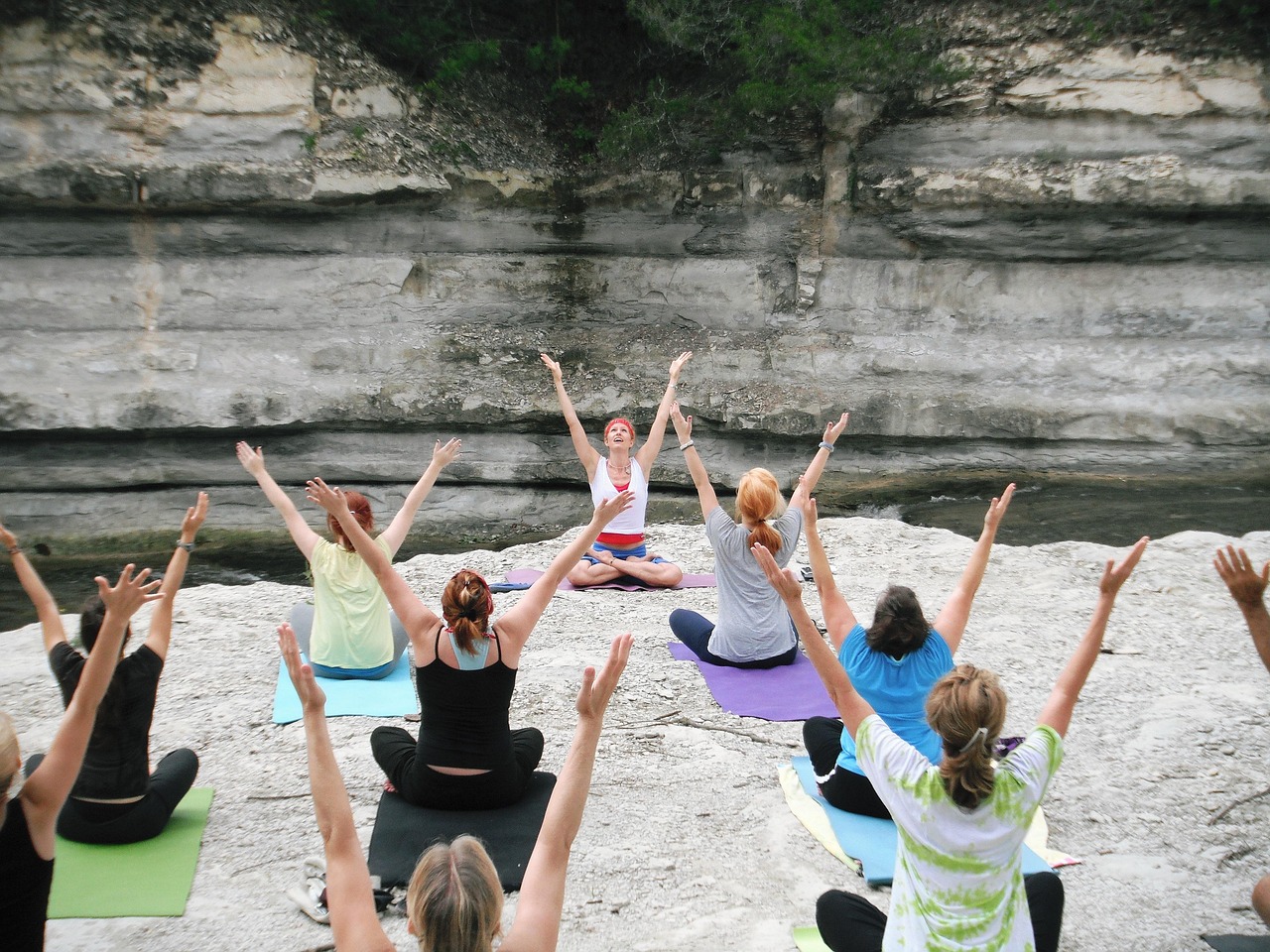
The incorporation of visual cues can significantly enhance balance training for women. By using targets, such as looking at a fixed point, women can engage in exercises that require focus and concentration, further developing their balance abilities. Adding movement patterns with visual cues, like reaching for an object while balancing on one leg, can challenge coordination and stability simultaneously. Audio cues can also enhance workouts; using rhythmic music can help establish a tempo for movements, improving synchronization during exercises. Additionally, practicing balance in dynamic environments, such as exercising outdoors or in groups, can stimulate adaptability and enhance balance skills. Studies have shown that group exercise can not only motivate participants but also improve a sense of community among women. Thus, social interactions while engaging in balance training add a layer of enjoyment to the workout, making it more likely that women will stick with their routines. Moreover, overcoming challenges in balance exercises enables women to foster resilience and confidence, which can extend beyond fitness into daily life, encouraging a mindset that embraces challenges and further personal growth.
Implementing Effective Strategies in Training
Implementing strategies for effective balance training begins with establishing clear goals tailored to individual fitness levels. Women should focus on slowly increasing the intensity and difficulty of balance exercises, ensuring they maintain proper form throughout. A structured approach helps to prevent injury and maximize the benefits of stability training. Exercises should ideally include a mix of static and dynamic movements; for example, static exercises like planks improve core stability, while dynamic exercises such as lateral shuffles promote coordination and agility. Combining both types allows for comprehensive muscular engagement and balance development. Additionally, incorporating variations of familiar exercises can stimulate progress; for instance, performing squats on foam pads or using resistance bands while doing stepping exercises can add complexity. This approach keeps workouts fresh and engaging while challenging the body in new ways. It is equally important to listen to the body and adjust workouts accordingly. If specific movements feel overly challenging or discomfort arises, modify the exercise. This focus on gradual improvements fosters an encouraging atmosphere for women to pursue their fitness journey with confidence.
Rest and recovery also play an integral role in balance and stability training. Women often experience muscle fatigue when engaging in new exercises, especially those requiring enhanced stability. Adequate recovery time allows muscles to repair and adapt, leading to improved performance in subsequent workouts. Incorporating lighter sessions focused on flexibility or low-intensity movements can aid recovery while maintaining physical activity levels. It’s essential to give attention to how the body feels, adjusting intensity and frequency of workouts to suit individual needs. Lack of recovery can lead to overtraining, resulting in decreased performance or even injury. Also, maintaining a balanced diet rich in nutrients can support muscle recovery and overall health. Nutrients such as protein provide the necessary building blocks for muscle repair, while carbohydrates replenish energy stores. Staying hydrated is equally important, particularly during intense workouts. Incorporating mobile practices such as foam rolling or yoga can aid muscle recovery, enhance flexibility, and contribute to better overall balance. Women must prioritize both training and recovery to achieve a successful and sustainable fitness journey.
Conclusion on Integrating Balance Training
In conclusion, incorporating balance and stability exercises into women’s functional training provides an array of benefits. These exercises not only prepare women for the physical demands of daily life but also contribute to long-term health and well-being. The positive effects on fitness levels, daily functionality, and injury prevention highlight the importance of these exercises in a well-rounded workout regimen. By challenging the body through various methods and maintaining consistency, women can significantly enhance their overall balance, stability, and strength. As fitness educators and trainers recognize the unique needs of women, it becomes essential to craft training programs that prioritize functional stability. Embracing these exercises can lead to an empowered mindset, ultimately encouraging women to take control of their health and fitness goals. Now, more than ever, women should feel confident in participating in balance training, knowing its extensive benefits extend beyond the gym. This focus on integrating balance exercises represents an essential component in the pursuit of fitness and well-being, fostering resilience and adaptability in women’s lives.