
How to Incorporate Sports-Specific Warm-Ups Outdoors
Outdoor workouts provide an excellent opportunity to enhance your physical condition, especially if you integrate sports-specific warm-ups into your routine. These warm-ups not only prepare your muscles but also help in enhancing performance by mimicking the activities you will engage in. One of the most effective ways to start is by considering the sport you are about to play. Each sport requires different movements and muscle engagements, so tailoring warm-ups to those specifics optimizes your readiness. For instance, if preparing for soccer, focus on leg stretches and agility drills. If you’re an aspiring basketball player, dynamic movements that involve jumping and lateral shuffles are crucial. Not only do these activities engage relevant muscle groups, but they also promote blood flow, improving overall mobility. In an outdoor setting, make the most of the available space and adapt your warm-up. Look for benches or steps for elevated exercises, and use the terrain to your advantage. Consider incorporating body-weight resistance exercises to increase effectiveness without any additional equipment. Integration of these practices can dramatically enhance your workout routines.
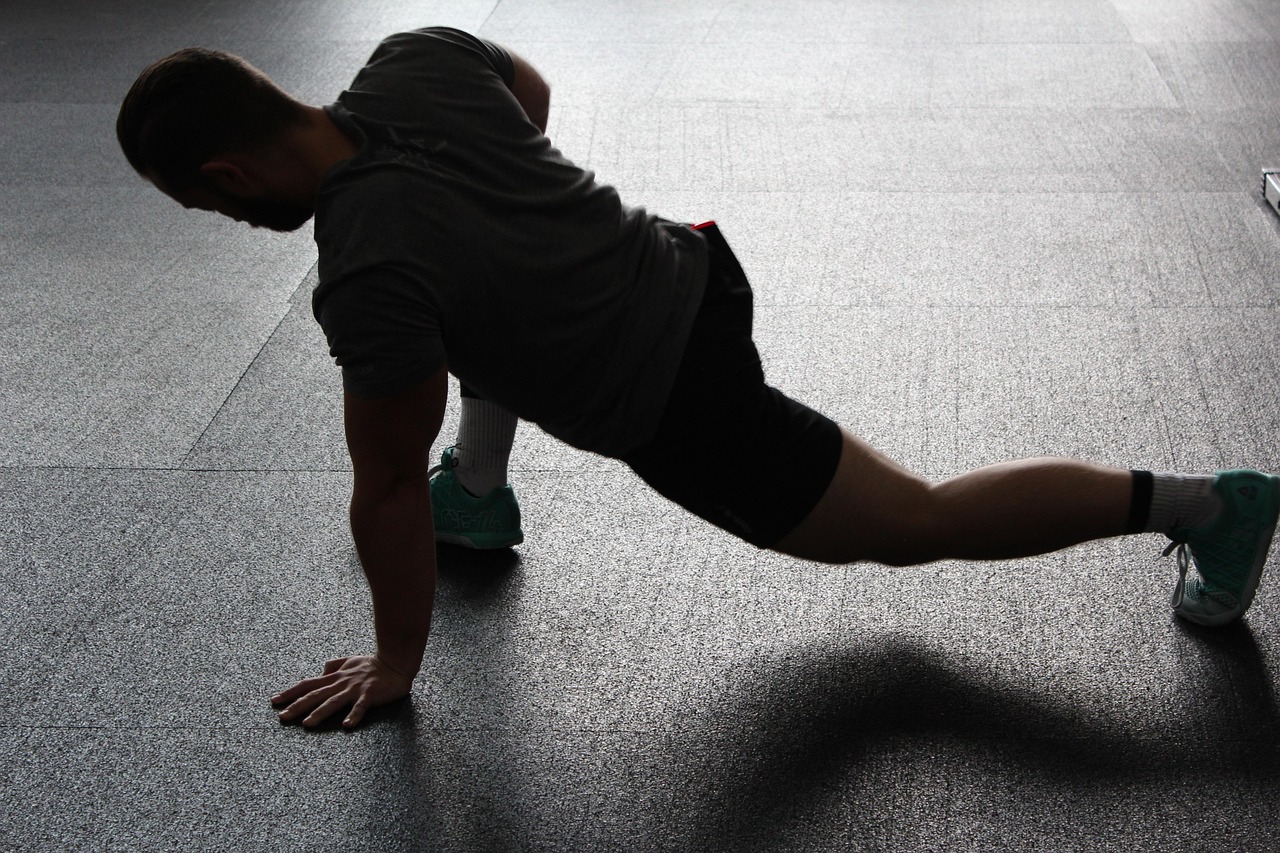
Proper warm-up routines should ideally include both dynamic and static stretches to ensure flexibility and readiness. Dynamic stretches involve movement that stretches muscles, while static stretching is about holding a position for a time. It’s crucial to begin warming up dynamically to prepare your body for high-intensity actions. An example of dynamic stretches includes leg swings and arm circles, which can be easily performed outdoors. Once the specific warm-up is complete, incorporate a few static stretches for the major muscle groups used in your sport. Make sure to focus on your hamstrings, quadriceps, and calves for sports like running or cycling. This is especially important for athletes participating in sports requiring explosive movements, such as tennis or basketball. The key to success lies in consistency and understanding your body’s limits. Ensure you listen to your body and never push through discomfort during these preliminary stretches. Collectively, these warm-up techniques can decrease injury risks while enhancing your overall performance during your sport. So, the next time you’re gearing up for an outdoor game or exercise, consider sidelining a few minutes for these essential warm-up routines.
Incorporating Agility Drills
Agility drills are an essential component of sports-specific warm-ups, particularly when performed outdoors. These drills improve your ability to change direction quickly while maintaining balance and speed. Incorporating agility work into your warm-up routine can significantly elevate your game performance. Some popular agility drills you might consider include shuttle runs, cone drills, and ladder drills, which are easy to execute in an outdoor setting. For example, set up cones approximately a few feet apart and practice quick lateral movements, which will prepare your legs for fast-paced activities during gameplay. Make sure to vary the drill’s intensity to mimic in-game scenarios. This not only warms up the muscles but also develops muscle memory and reaction times. A well-structured agility drill session should last between 10 and 15 minutes, giving you ample time to cover various movements without feeling fatigued. As you incorporate these exercises into your warm-up, keep track of your movements and adjust as necessary to improve your speed and coordination. Using these drills regularly can lead to improved performance in your respective sport, giving you that competitive edge.
Another important factor in sports-specific warm-ups is the mental preparation involved. Outdoor settings offer great opportunities to boost focus and visualize success in your athletic performance. Before beginning any physical activity, take a moment to clear your mind and set specific goals for the session or game. Visualization techniques are particularly useful to help enhance athletic performance. Spend a few minutes picturing successful plays and executing the techniques to engage the body and mind simultaneously. Additionally, practice mindfulness techniques in your warm-up routine to improve concentration and reduce anxiety before performance. Methods such as deep breathing and purposeful movements can anchor your focus and help ease nervousness. Remember, a relaxed mind contributes positively to your physical performance, so investing time in this aspect can be beneficial. Do not underestimate the power of mental preparation, especially in competitive sports, as it plays a significant role in regulating stress levels and influencing overall performance.
Mobility Exercises
Incorporating mobility exercises into your outdoor warm-up is crucial for increasing joint flexibility and overall movement quality. Especially for sports requiring a full range of motion, mobility routines can significantly enhance performance. Begin with movements that target the major joints such as hips, shoulders, and ankles. Squat to stand is an excellent exercise, effectively mobilizing various joints simultaneously while promoting proper movement patterns suited for sports like basketball and soccer. Additionally, incorporating exercises like hip openers or thoracic rotations can be particularly beneficial. Ensure these exercises mimic the motions relevant to your sport, allowing for smoother performance during competition. Another great aspect is that mobility exercises can be tailored to specific problems or limitations you may have, allowing for personalized warm-ups. Take about 10 minutes for these mobility movements within your warm-up. The focus should be to promote joint health and improve the neuromuscular response during sports activity. Ultimately, a routine rich in mobility exercises contributes toward enhanced agility and paid responsiveness during play, thereby reducing injury risks and preparing you adequately for your game.
Outdoor workouts provide ample opportunity for building community and connection through sports-specific warm-ups. Inviting teammates or friends to join you can transform a regular workout into a fun and engaging group session. Not only do you benefit from social interaction, but you also can encourage one another during warm-ups, boosting motivation levels together. Group dynamics can lead to longer, more productive warm-ups and make exercising outdoors more enjoyable. Create a warm-up routine that your entire group can easily follow to ensure everyone is engaged. For an added twist, set mini-challenges during warm-ups; for instance, see who can hold a stretch the longest or perform the most agility drills in a minute. This camaraderie not only enhances social bonds but also fosters a sense of accountability as everyone commits to the warm-up tasks. Moreover, the support from teammates encourages each member to push harder and perform at their best, leading to a stronger performance when it’s time for the game. So bring along your friends next time you warm up outside, and experience the benefits of working together.
Recovery Techniques
Recovery is an often-overlooked aspect of sports-specific warm-ups that can greatly enhance overall performance and promote long-term athletic health. After completing your outdoor workout, dedicate time to cool down and allow your body to recover effectively. Start with light jogging or walking to lower your heart rates progressively, which can help transition your body post-exercise. Follow it up with essential stretches to target muscles that have been heavily engaged during your workout. Consider using static stretches, focusing on those challenging areas which may require additional care. Implementing self-myofascial release techniques, such as foam rolling, post-workout can assist in alleviating muscle tightness and soreness. Include enough hydration and nutrition during your recovery phase, as the body requires replenishment. Remember, adequate rest is also crucial; prioritize your sleep as it profoundly impacts recovery and performance levels. So, ensure to incorporate recovery techniques after engaging in outdoor sports-specific warm-ups, leading to better performance outcomes and reducing risks of injury. Establishing a balanced recovery routine should ensure sustainable performance improvements while allowing your body to adapt to training demands.
In summary, incorporating sports-specific warm-ups into your outdoor workout routines yields multiple benefits. Each component, from dynamic stretches, agility drills, and mobility exercises to mental preparation, plays a critical role in addressing different aspects of your performance. Take time to tailor your warm-up to your specific needs by considering the sport you are about to engage in. Remember the importance of proper recovery and social engagement during your warm-up sessions as you strive for an optimal workout experience. Don’t forget to set clear goals for each session, keeping both physical and mental aspects in mind. Engage with your peers or teammates to turn what could be a sedentary routine into an adventure. With these tips, your approach to outdoor workouts can become more effective and enjoyable. Put this knowledge into action the next time you’re outdoors and notice the difference in your performance. Sports-specific warm-ups are not merely designed to prepare your body; they also enhance your mental game. With continued investment in this prep work, you’re primed for success in any sporting endeavor, so embrace the outdoors and maximize your training efforts!