
Cross-Training: Mixing Machine Workouts with Other Fitness Modalities
Cross-training has become an essential part of fitness regimes, especially for those dedicated to machine workouts. The term refers to the integration of various workout modalities to enhance overall performance and prevent plateaus. By utilizing machines, such as treadmills, rowers, and weight machines, individuals can focus on isolated muscle groups. However, to achieve full-body conditioning, it is wise to integrate activities like weightlifting, swimming, cycling, or even yoga. This combination provides both strength and endurance benefits. Additionally, switching up workouts helps reduce the monotony often associated with using gym machines exclusively. Cross-training not only keeps the fitness journey exciting but also promotes recovery by working different muscle groups. If you are considering new options, think about including free weights or body-weight exercises for a more balanced approach. Adjusting the intensity between workouts can also lead to better results, offering varying challenges. Finally, don’t forget to consult fitness professionals if uncertain about how to properly mix these modalities to maximize benefits and minimize risk.
The Benefits of Incorporating Machine Workouts
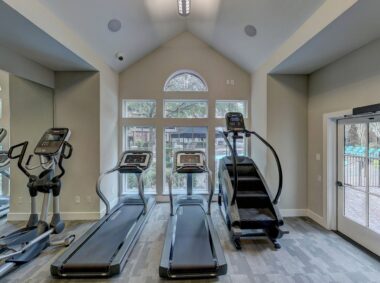
When it comes to fitness, machine workouts offer numerous benefits that can aid in cross-training. Primarily, machines provide controlled movements that are beneficial for beginners. They are designed to target specific muscle groups effectively and safely. For instance, using a leg press machine can help to strengthen quads and hamstrings without putting undue stress on joints. Furthermore, adjusting weights is simple, allowing you to progress at your own pace. Available machines, from cardio to resistance e.g., elliptical trainers and cable machines, allow users to diversify their intake. This ensures a well-rounded fitness routine that can prevent injuries. Transitioning between different machines can also keep workouts engaging, which helps maintain motivation. Moreover, for those recovering from injuries, machines can provide essential support, allowing for gradual return to exercise. Thus, understanding how machines can fit into varied training can enhance overall workout efficiency. It is crucial to incorporate different techniques such as supersets or circuits when utilizing machines to maximize calorie burn without compromising strength training elements.
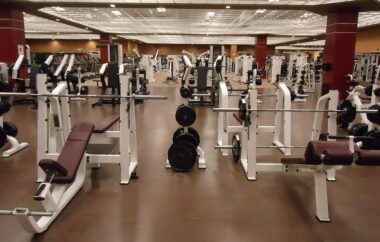
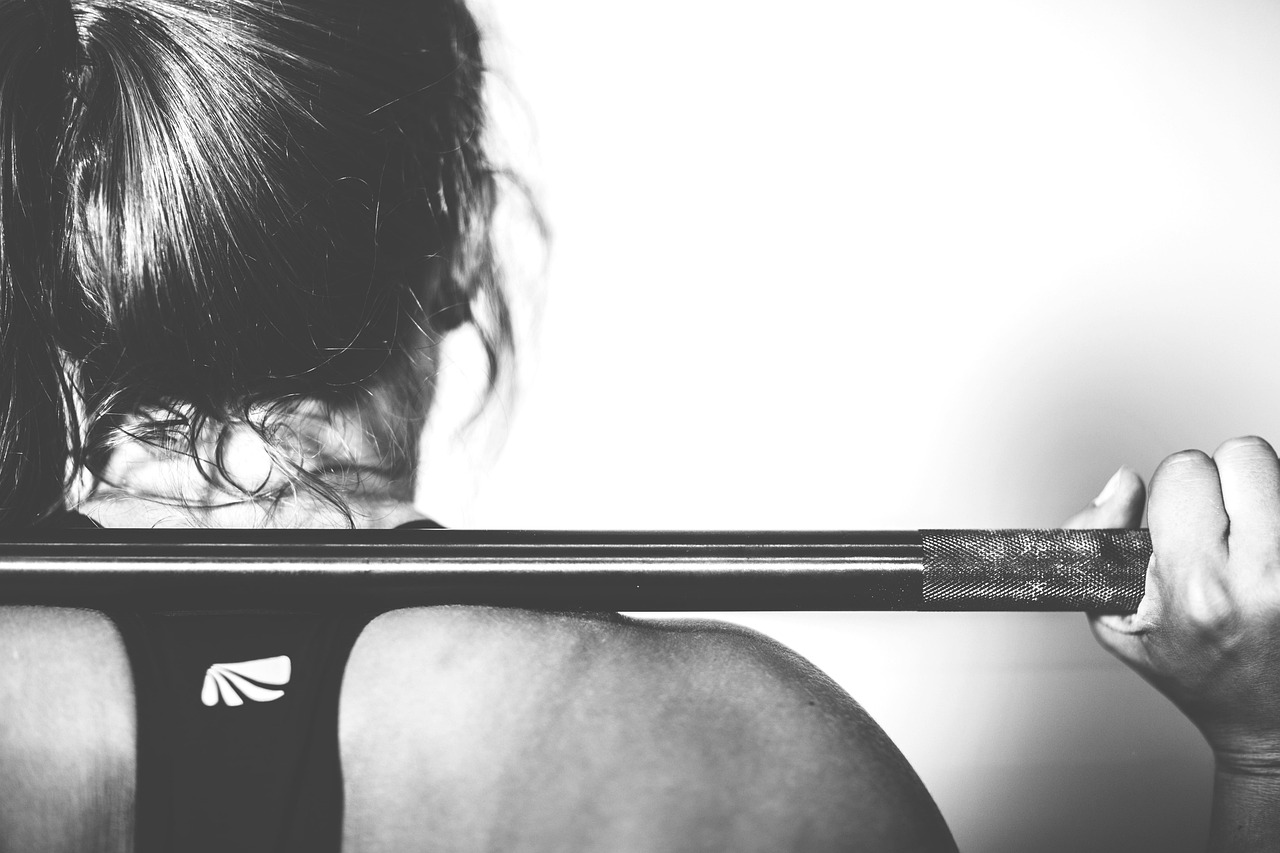
Incorporating free weights is an excellent strategy to enhance your machine workouts. The beauty of combining machine-based routines with free weights lies in their ability to complement each other. Machines assist in providing stability, while free weights often require engagement of stabilizing muscles. Additionally, free weights can target multiple muscle groups simultaneously and enhance core stability. This can lead not only to improved muscle hypertrophy but also functional strength, which is beneficial for everyday tasks. Doing compound movements such as deadlifts, squats, or bench presses can be extremely effective alongside machine workouts. By mixing these elements, you also diversify your routine, which is essential to keep challenging yourself and avoiding stagnation. Moreover, you can adopt various training tempos or rest periods within these combined workouts, tailoring them to fit specific goals. Just be sure to focus on proper form to optimize gains and avoid injuries. Effective programming is vital, so consider planning workouts around the week, alternating between machine-heavy days and free weight days for synergistic results.
Cardiovascular Cross-Training for Endurance
For those focused on improving cardiovascular endurance, cross-training is invaluable. Combining machine workouts with activities such as running, swimming, or cycling can enhance heart health and stamina significantly. Machine-based cardio workouts, like treadmills or stationary bikes, provide the opportunity to control intensity, which is critical for effective training. Integrating outdoor activities into your routine encourages varied stimulus, which is not only refreshing but also challenges the body in different ways. Consider interval training when transitioning between machine workouts and outdoor sessions; this approach helps improve both aerobic and anaerobic capacity. Utilizing heart rate monitors during these workouts can aid in ensuring you’re in the right training zones. Additionally, alternating between high-intensity intervals on machines followed by a more relaxed outdoor run can provide excellent cardiovascular benefits with varying intensities. Such variations can speed up progress in endurance while keeping workouts fun and adventurous. Ultimately, always listen to your body; rest and recovery are just as important to prevent overtraining and burnout.
Strength training, when combined with machine workouts, can lead to a balanced physique. By focusing on functional exercises, you can enhance muscle coordination and hypertrophy while preventing injury. For instance, using machines for major lifts like leg extensions can help build muscle mass effectively. Also, super-setting machine workouts with body weight exercises is highly beneficial. This approach improves muscular endurance as well as strength. Always prioritize form over quantity; this ensures that muscle gain remains effective and safe. Gradually increasing weights on machines will promote further adaptation. It’s also worth noting that free weights should be included in workouts to stimulate stabilizer muscles. Programs can be designed that alternate between machines for strength and bodyweight exercises for endurance. Incorporating techniques like tempo training can change the workout dynamic significantly. You can even engage in plyometric exercises occasionally to add variety and keep your body responding positively. Including all these elements creates a comprehensive training plan that caters to diverse fitness levels and goals. Mix styles to enhance enjoyment while achieving great results without plateauing.
Flexibility Workouts: The Importance of Recovery
Alongside strength and endurance exercises, incorporating flexibility workouts into your routine is essential for overall fitness. Flexibility routines can complement machine workouts by preventing injuries and promoting recovery. Engaging in activities like yoga or Pilates can increase range of motion and enhance muscle elasticity. This is particularly beneficial after strenuous machine sessions, helping to release tension in worked muscles. Stretching after workouts not only aids in recovery but also prepares the body for the next session. For example, utilizing foam rollers or static stretching can target tight areas significantly, enhancing mobility. It is wise to allocate specific days for flexibility training, allowing your body to recover adequately. Furthermore, integrating dynamic stretching into warm-ups before workout sessions can aid in injury prevention and improve performance. Balance is key; alternating between strength-focused routines and flexibility workouts ensures longevity within your training regimen. Including flexibility not only supports physical tasks but also encourages mental health. Therefore, embracing routines that foster flexibility can enhance your overall gym experience, keeping motivation high and injuries low.
Lastly, recording your progress is essential for sustaining motivation as you cross-train with machines and other modalities. Keeping a fitness journal, using apps, or tracking with wearables can create a sense of accountability. These tools can help monitor improvement in strength, endurance, and flexibility. Visualizing your journey makes it easier to stay committed to your workout plan, especially when results come from diverse routines. Moreover, periodic assessments should be incorporated to evaluate performance levels accurately. Reviewing data, such as weight lifted or distance run on machines, allows for adjustments in training. Do remember to celebrate small victories; they can be powerful motivators on your fitness journey. Sharing progress on social media or with a community can help inspire others while keeping you accountable. Engaging with fellow fitness enthusiasts allows exposure to new techniques and ideas, enhancing your workouts. Ultimately, cross-training can become a lifelong commitment if approached thoughtfully and consistently. Always embrace your progress, remembering that fitness is a personal journey tailored to individual goals.
Final Thoughts on Cross-Training
In conclusion, cross-training by mixing machine workouts with other fitness modalities offers diverse benefits for enhancing overall fitness. It promotes strength, endurance, flexibility, and injury prevention, enabling a well-rounded approach to training. By incorporating various modalities, you create a richer workout experience, keeping monotony at bay while advancing your fitness journey. Machines provide a structured way to engage in resistance training, whereas complementary activities maintain excitement and motivation. From outdoor runs to free weight sessions, there is immense potential in exploring different fitness avenues. This holistic approach fosters a stronger body that adapts quickly to physical challenges. Routines should cater to your personal preferences and goals, always prioritizing safety and proper form. Remember to listen to your body and adjust workouts accordingly to avoid unnecessary strain. Celebrate each milestone as you embrace the diverse benefits of cross-training. Each workout is a stepping stone towards achieving greater health and well-being. By blending activities into a cohesive plan, anyone can enjoy an effective fitness journey that is unique to their personal aspirations.