
Bone Density Testing: When and How Weight-Bearing Exercise Can Help
Bone density testing is crucial for assessing the health of bones, especially for aging individuals. Osteoporosis can cause severe complications, making these evaluations vital. Medical professionals often recommend a dual-energy X-ray absorptiometry (DEXA) scan for accurate results. This painless test measures the bone’s mineral density and can help predict fracture risks. Results often provide a T-score, which reflects bone health compared to a standard young adult population. A score below -1 signifies lower density and an increased risk of osteoporosis. The importance of knowing one’s bone density cannot be overstated, particularly for the elderly. Regular testing can guide prevention strategies, including dietary modifications and appropriate weight-bearing exercises. It’s advisable for women over age 65 and men over age 70 to undergo testing regularly. However, younger adults with risk factors such as family history and low body weight should consider testing too. Understanding your bone health is crucial to develop an effective exercise regimen aimed at increasing bone density and overall physical well-being. Such proactive steps can critically improve quality of life as we age, maintaining mobility and reducing fracture risks over time.
The Role of Weight-Bearing Exercises
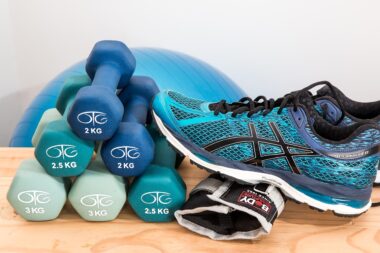
Weight-bearing exercises play a fundamental role in enhancing bone density and overall skeletal health. These types of exercises force the body to work against gravity, which stimulates bone formation. Resistance training, in particular, includes activities like free weights, resistance bands, and body-weight exercises like squats or lunges. Additionally, high-impact aerobic exercises like running or jumping can significantly strengthen bone tissues. These workouts help bones retain strength and can even reverse some damage caused by age-related osteoporosis. It’s important to gradually increase the intensity and frequency of resistance exercises to minimize injury risks. Consulting with healthcare professionals can aid in creating a tailored fitness plan. Low-impact alternatives such as brisk walking, yoga, and tai chi also promote balance, strength, and flexibility. These are critical for reducing fall risks, which can lead to serious fractures in older adults. Incorporating a varied routine often yields the best results for enhanced bone health and mitigating osteoporosis developments. A combination of high and low-impact activities can cater to different fitness levels while maintaining interest in an exercise regimen essential for bone density improvement throughout the aging process.
Proper nutrition is equally significant for improving bone density alongside exercise. Essential nutrients such as calcium and vitamin D are critical in maintaining strong bones. Calcium contributes to the bone matrix, ensuring its density remains optimal. Dairy products, green leafy vegetables, and fortified foods are excellent sources of calcium. Meanwhile, vitamin D enhances calcium absorption, promoting overall bone strength. Sources of vitamin D include sunlight exposure, fatty fish, egg yolks, and fortified foods. Including a balanced diet rich in these nutrients is imperative for those engaged in weight-bearing exercises. In addition to calcium and vitamin D, magnesium and vitamin K are also crucial for bone health. A multi-faceted approach combining proper nutrition with weight-bearing exercises can maximize improvements in bone density. Staying hydrated is essential as well, as adequate fluid intake supports overall metabolism and recovery after workouts. Some individuals may consider supplements if dietary intake is insufficient, but it’s crucial to consult a healthcare provider before initiating any supplementation. These practices not only strengthen bones but also contribute to better overall health and fitness as one ages, creating a comprehensive strategy for improved vitality.
Monitoring Progress and Staying Motivated
Monitoring progress effectively is vital for maintaining motivation and achieving fitness goals related to bone density. Setting realistic and achievable targets can bolster one’s commitment to a fitness regime. Regular check-ins with a health professional or fitness trainer can help assess progress and tweak any exercise plans as necessary. Keeping a workout log or journal can also be beneficial for tracking improvements and setbacks. Celebrating small victories along the way, whether it’s increased weight in resistance training or achieving higher repetitions, can keep motivation levels high. Encouragement from family or friends participating in exercise or wellness challenges can improve ongoing commitment. Participating in group classes can create a sense of community, which is also motivating. Additionally, consistency is vital; sticking to a routine that incorporates both weight-bearing exercises and nutritional goals is crucial for long-term success. Setting reminders and personal motivational quotes can foster a positive mindset. Emphasizing the importance of patience and recognizing that results take time is also crucial. Ultimately, a positive, proactive mindset can lead to improved outcomes in bone density and overall health, making the commitment to physical fitness enjoyable and sustainable.
It’s also essential to be mindful of the signs of overexertion or injury when engaging in weight-bearing exercises. Common symptoms include persistent joint pain, swelling, unusual fatigue, or lack of progress. It’s crucial to listen to the body and allow time for recovery when needed. Incorporating rest days into the workout schedule can prevent burnout and injuries, allowing muscles to recover and strengthen. Additionally, varying workout routines can help target different muscle groups while maintaining engagement and reducing repetitive strain on the same joints. Proper warm-ups before physical activity and cooling down afterward can help manage stiffness and muscle soreness. Engaging in flexibility exercises, like stretching or yoga, can promote joint health and balance, aiding injury prevention. Consider consulting with physical therapists or professionals specializing in sports medicine if injuries arise. Their input can be valuable for recovery and future exercise adjustments tailored to the individual’s needs. Understanding personal limits and adapting exercises as necessary ensures a sustainable approach to improving bone density. By prioritizing planned recovery and preventive strategies, individuals can effectively maximize their fitness gains without compromising their health over time.
Conclusion
In conclusion, maintaining optimal bone density through weight-bearing exercises and proper nutrition is essential as we age. Regular bone density testing provides valuable insight into one’s bone health and risk for osteoporosis. The importance of incorporating a diverse set of weight-bearing exercises cannot be understated, as they play a crucial role in stimulating bone growth and retention. Coupled with adequate intake of vital nutrients, individuals can significantly enhance their bone strength, leading to better mobility and reduced fracture risks. Monitoring progress and staying motivated through varied routines and community support can make a significant difference in ongoing commitment to fitness. Furthermore, placing emphasis on joint health and injury prevention is equally important for a sustainable approach. By being proactive and adaptable, individuals can develop a lasting fitness regimen that supports their bone health throughout their golden years. Embracing an active lifestyle filled with strength training, nutritional awareness, and consistent monitoring can yield lifelong benefits. Ultimately, prioritizing bone health is a critical investment in living a healthier, more independent life as we age gracefully, enhancing quality of life significantly.
Understanding the potential long-term benefits of maintaining bone density through exercise qualities can inspire and inform one’s approach to fitness and health management. Educating oneself about safe exercise practices and proper nutrition in context helps to develop informed decisions that support overall wellness. Seeking resources like fitness classes, community workshops, and online health platforms can provide valuable information and guidance. Staying current with the latest research findings on osteoporosis and age-related conditions can empower individuals to take necessary actions and stay proactive about their health. Interacting with experts in the field can yield bespoke advice tailored to personal situations, enhancing the understanding of bone density issues. Moreover, fostering strong communication with healthcare providers can ensure ongoing support in managing any identified risks. Finally, cultivating a supportive social network focused on health can yield impressive outcomes, promoting a lifestyle conducive to maintaining strong bones. Every effort to improve bone density and overall fitness levels translates into a stronger foundation for navigating life’s challenges later in years. Ultimately, a well-rounded approach to fitness, including strong motivation, education, and community support, lays the groundwork for maintaining optimal health as we age.
One last thought regarding the interplay between mental health and physical exercise cannot be overlooked in the discussion of bone density. Engaging in regular weight-bearing exercises not only fortifies the bones but can also positively influence mental well-being. Exercise has been shown to release endorphins, reducing feelings of anxiety and depression while promoting a sense of accomplishment. Furthermore, participating in fitness activities with others fosters social connections that can enhance emotional resilience. Seeking ways to combine physical activity with social interaction can maximize the benefits of both areas. Mind-body practices, such as yoga and tai chi, are particularly effective in promoting mindfulness while enhancing flexibility and balance. These dual benefits are crucial as mental health plays an integral role in maintaining motivation for exercise routines. Developing strategies to incorporate enjoyable aspects into fitness routines can ensure sustainability and longevity. In summary, recognizing the interconnectedness of physical fitness and mental health allows individuals to create balanced lifestyles that prioritize both body and mind. The journey toward greater strength and wellness in older age is multifaceted, encompassing exercise, nutrition, and mental well-being altogether.