
Ideal Yoga Gear and Environment for Triathlon Training
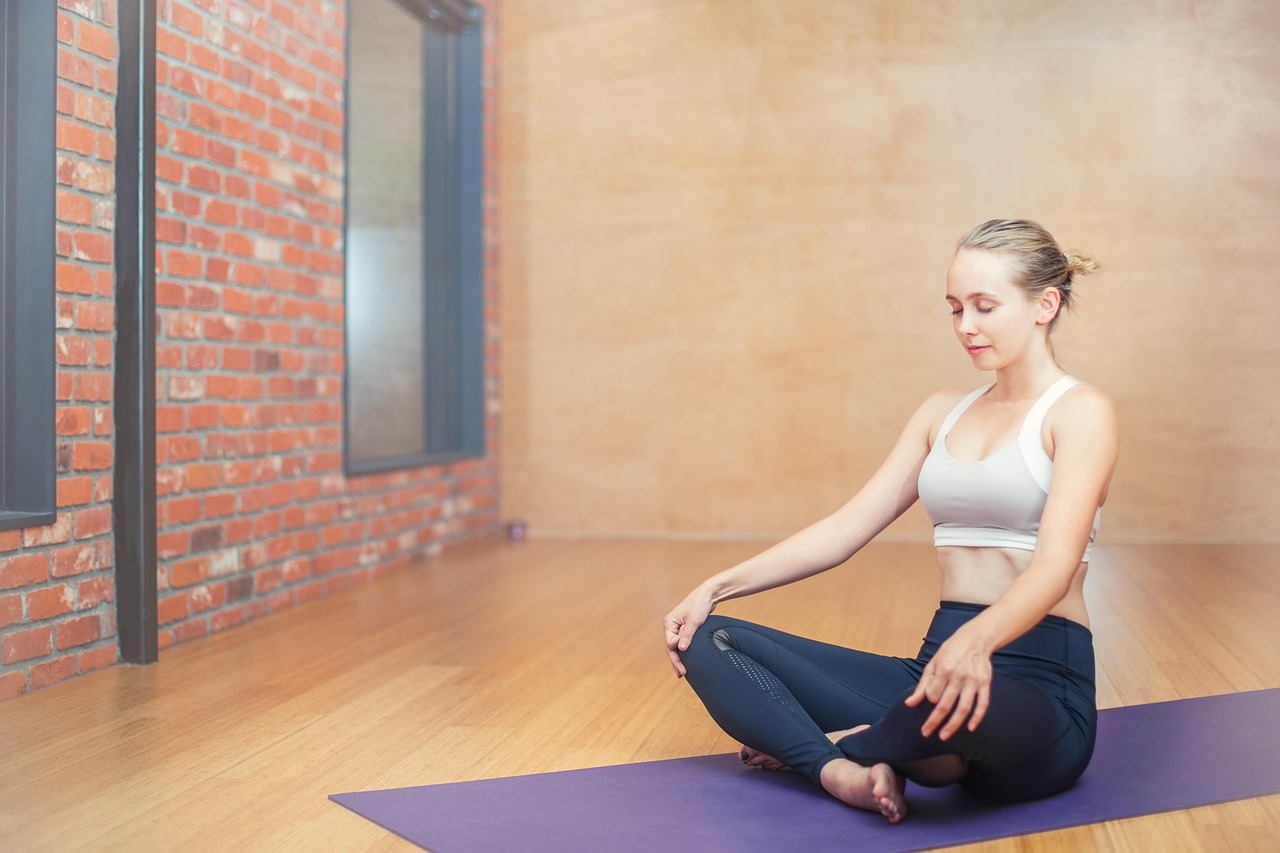
When it comes to yoga gear suitable for triathletes, one must prioritize comfort and functionality. The foundation of any great yoga practice lies in the mat. Choosing a non-slip yoga mat is crucial, as it provides support during challenging postures. Look for mats that offer adequate cushioning, especially for joints that may need extra care. Additionally, attire matters significantly. Lightweight and breathable clothing is essential for effective movement, allowing the body to regulate its temperature better. Many triathletes find that yoga pants made from moisture-wicking fabric help them avoid discomfort. Beyond mats and clothing, having the right accessories is vital. Items like yoga blocks, straps, and blankets can enhance practice by providing additional support and stability. For a complete practice, invest in a quality yoga bag to comfortably carry everything. Therefore, consider both your gear and clothing caused by sweating as essential components of your yoga for triathlon experience. Carefully selecting these elements allows you to focus solely on the practice, ultimately supporting your overall training goals and improving your performance over time.
Creating a Tranquil Yoga Environment
To enhance your yoga practice, cultivating a relaxing environment is essential. Within your space, aim for a calm atmosphere that promotes focus and serenity. First, consider lighting; soft and adjustable lighting can dramatically impact the mood. Natural light is preferable; however, candles or dimmable lamps can create a soothing ambiance when natural light is unavailable. Next, pay attention to the aroma in your practice area. Essential oils and incense can help promote relaxation. Scents like lavender or eucalyptus can also enhance your experience and help clear the mind during sessions. Organizing your training space can also lead to better focus. Utilize accessible storage solutions for gear and props, ensuring everything is in its place after each use. Adding personal touches, such as inspiring quotes or images related to triathlons, can provide additional motivation. Finally, control the temperature of your environment during practice. A comfortable temperature will help prevent distractions, allowing for better concentration on poses and breathing exercises. A supportive environment is essential and requires attention to details that often impact overall experience significantly, making your practice more enjoyable.
Another crucial aspect of yoga gear is choosing the right footwear. Unlike traditional yoga sessions, some triathletes may prefer a shoe for their warm-up routine or when practicing certain postures. Selecting a lightweight, flexible shoe can allow greater ankle mobility, providing additional balance. Many athletes prefer minimalist shoes that help connect with the ground without sacrificing support. In contrast, others enjoy a slip-on style for convenience and ease during transitioning into poses. Furthermore, hydration cannot be overlooked, especially considering the rigorous training of triathletes. Always have a water bottle nearby to stay hydrated between sessions, as dehydration can hinder performance. Any good yoga practice and triathlon training also require layering options. Triathletes often find temperature fluctuations common and may benefit from a light long-sleeve shirt or wrap for cooler days. This setup allows flexibility while keeping the body adequately covered. Lastly, consider setting everything out before practice to create a seamless transition into yoga. Developing a habit of organizing your gear before each session can streamline your practice and enhance discipline, supporting ongoing improvement.
Adopting Mindfulness Through Yoga
Incorporating mindfulness into your yoga routine is essential for triathletes. The principle of mindfulness encourages athletes to focus attention on the present moment. This focus can prevent distraction and enhance performance across different athletic disciplines. Begin your practice by cultivating awareness of your breath, consciously tuning in to how it flows throughout the session. In addition to breathing techniques, athletes should be mindful of their body’s movements and sensations. Observing how the muscles engage or release as you navigate through different poses helps develop body awareness. Fostering this level of connection can also enhance overall athletic performance, as systematic concentration translates well into training and competing in triathlons. Remember that developing a consistent mindfulness practice may take time; patience is crucial. Make effort to integrate mindfulness not only during yoga but also throughout your daily activities; this habit strengthens focus and presence in every aspect of your athletic journey. Thus, when you hit the tracks, swim, or cycle, carry this newfound awareness along. Ultimately, enhancing both your yoga practice and triathlon skills boosts performance while encouraging personal growth and holistic wellness.
Exploring various styles of yoga can also be beneficial for triathletes. While Hatha and Vinyasa may be common, consider trying Yin or Restorative yoga. These slower-paced styles allow deeper relaxation and recovery, which are crucial for any athlete. Since recovery can help prevent stress injuries, integrating these gentler practices into your weekly routine is essential. Furthermore, learning from different instructors may introduce new techniques or adjustments for poses beneficial to your training. Finding online classes or local studios that specialize in yoga for athletes can also enhance knowledge and deliver diverse perspectives about yoga practices. Seeking social connections in supportive yoga communities can further nurture an individual’s practice. Online forums can provide emotional support and practical tips. You may also find groups focusing on yoga tailored specifically to triathletes, fostering connection and camaraderie. Additionally, participating in group classes allows for a shared experience that can be motivating. Group dynamics may inspire you to push your limits while practicing compassion, which can influence your mindset. Regular practice with others can also encourage accountability and foster healthy competitive spirit essential for encouraging continuous improvement.
Finding the Right Yoga Instructor
An essential part of enhancing your yoga journey involves finding a supportive instructor tailored to your needs as a triathlete. Look for instructors who focus on yoga for athletes, offering insights specifically designed for even the most demanding training sessions. During your first class, assess their teaching style; ensuring it resonates with your requirements will dramatically affect your experience. Effective communication to express your personal goals is key. A good instructor will understand how to adapt poses and suggest modifications suited to your abilities and limitations. Personal attention during practice can result in better alignment and prevent injury. Additionally, ask about group classes with a focus on strength or flexibility training. Many yoga studios provide classes specifically catering to cross-training athletes that help strengthen certain muscle groups while allowing for recovery. Furthermore, take advantage of workshops or retreats focused on athlete-specific yoga practices. These events often have an environment conducive to connecting with instructors and peers while diving deeper into the philosophy behind the practice. Overall, the right instructor is paramount to developing your yoga practice to complement your triathlon training effectively.
Finally, revisiting the importance of consistency is key when building a successful yoga routine. Triathletes often have packed schedules, so dedicating regular time for yoga might feel challenging. However, establishing a consistent practice, even if short, significantly enhances overall performance. Scheduling sessions as part of your regular training program can be beneficial. Treat these times as an important appointment with yourself. Aim for a balance; for instance, incorporating two short sessions weekly along with a longer weekly class can create a robust practice. Additionally, combining yoga with strength and conditioning exercises may result in improved core strength, flexibility, and balance, which are critical for triathletes. Setting personal benchmarks can inspire motivation and maintain accountability. Celebrate your successes, no matter how small. Progress is a continual process rooted in understanding that it entails commitment and persistence. This journey towards integrating yoga into your training program enhances both physical and mental resilience for guiding you in achieving your triathlon ambitions. Over time, you might find that this holistic approach significantly contributes to not just better athletic performance but also your overall well-being.
Conclusion
Engaging in yoga complements triathlon training effectively, offering numerous benefits for athletes. Creating the right gear and environment is just as important as training itself. that help enhance physical and mental resilience. The conscious selection of yoga mats, clothing, and props encourages smooth practice, cultivating a better experience. It is essential to maintain adaptability when exploring styles and instructors that best match your goals and needs. By incorporating mindfulness, finding a supportive community, and remaining consistent, athletes will experience substantial benefits. Practicing yoga not only increases flexibility but also supports recovery, resilience, and mental focus essential for triathletes. Establishing these elements enhances the overall experience, aligning values in both yoga and triathlon training. This integration fosters balance within training regimens, promoting well-being and peak performance for achieving goals.