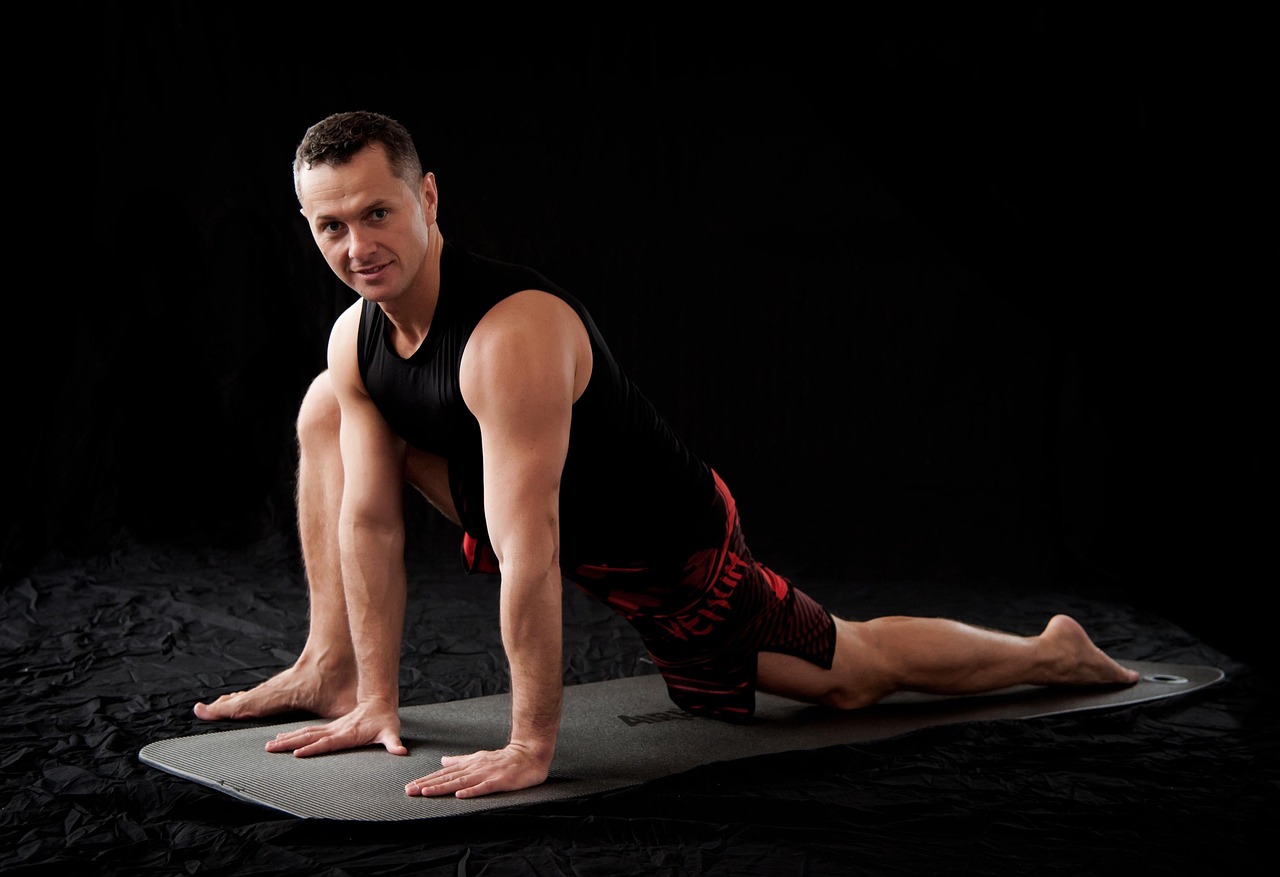

Understanding the Structure and Stances in Wing Chun
Wing Chun is a remarkable martial art that emphasizes efficiency and simplicity. Understanding its structure is essential for practicing this discipline effectively. The foundation of Wing Chun lies in its unique stances, which allow practitioners to maintain balance while executing techniques. One of the key components of Wing Chun is the stance known as the “Yee Jee Kim Yeung Ma” or the basic stance, which helps build strength and stability. Practitioners must learn to distribute their weight evenly to maximize their effectiveness in movements. Additionally, Wing Chun encourages relaxation to enable quicker responses. The structure also includes various footwork patterns that enhance agility and mobility, allowing practitioners to adapt to different situations during an encounter. The interconnectedness of these elements forms the core of Wing Chun’s philosophy, emphasizing directness and practicality. As students delve deeper into the art, they will discover how mastery of these stances affects their overall performance. Practicing these foundational stances, along with proper alignment, develops both physical and mental discipline, setting the stage for success in more advanced techniques and strategies.
Another crucial aspect of Wing Chun is its focus on structure and alignment. Proper body alignment is essential for effective striking and defense. Practitioners aim to maintain a straight line from their shoulder to the fist when delivering a punch. This focus on alignment maximizes power while minimizing the risk of injury. Furthermore, the stances require users to engage their core muscles actively, ensuring stability during transitions. In Wing Chun, blocking is as vital as striking; thus, arm positions during stances often reflect this dual purpose. The structure of Wing Chun is designed to facilitate fluid transitions between offensive and defensive techniques. The incorporation of the “Tan Sau” and “Fook Sau” positions is integral to maintaining control during engagements. These positions aid practitioners in deflecting incoming attacks while simultaneously preparing counterattacks. Additionally, the use of structure extends into the hip and shoulder movements, which are essential for generating power. Mastering these intricacies allows one to effectively harness their body mechanics, leading to more effective applications of Wing Chun in self-defense situations.
The Role of Stances in Wing Chun
Stances play a pivotal role in the practice of Wing Chun, providing a solid foundation for all techniques. Each stance has a specific purpose, contributing to the art’s effectiveness. The “Biu Jee” stance, for example, facilitates quick movements and angles, enabling practitioners to redirect their energy efficiently. Similarly, the “Seung Ma” stance promotes stability and support while executing power strikes. Proper execution of these stances allows one to channel energy through the body, thus enhancing the precision and force of techniques. Moreover, they define how energy flows through the practitioner’s movements, making it easier to generate strikes or defenses. Understanding when to adapt or shift between stances is pivotal for successful sparring and self-defense situations. This adaptability is developed over time through consistent practice and sparring sessions where students learn to apply these principles in dynamic environments. Training also focuses on fluid transitions between stances, ensuring that practitioners can react effectively to spontaneous scenarios with ease. Overall, the emphasis on stances shapes Wing Chun’s unique approach to combat and self-defense.
The concept of centerline theory is critical in Wing Chun and is closely linked to stances and structure. The centerline represents an imaginary line that runs down the center of the body, and controlling this line is vital during combat. Practitioners must learn to defend and attack along this centerline to enhance effectiveness in their techniques. Each stance is designed to maintain a strong presence on this line while allowing practitioners to launch their strikes or blocks. Courses and training sessions often emphasize drills that improve control of the centerline, encouraging students to maintain balance while executing techniques. This concept significantly affects how one perceives distance and timing in combat scenarios. Knowing how to position oneself relative to the opponent along this line is crucial for both defense and attack. When both fighters engage, the ability to maintain control over this line creates numerous tactical advantages. Effective application of the centerline theory through stances leads to heightened awareness and responsiveness, which is essential in Wing Chun practice and self-defense.
Developing Stance Proficiency
In order to develop proficiency in Wing Chun stances, consistent practice and focused training are paramount. Practitioners should dedicate time to refining their stances during solo drills and partner training. Exercises aimed at enhancing core strength and flexibility also contribute significantly to stance competency. Practicing stances against resistance, such as pushing against a partner, further enhances balance and stability in the practiced positions. Incorporating visualization techniques when practicing can also aid in understanding the dynamics of each stance. Visualization helps students imagine the intended use of each stance during drills and sparring sessions. Furthermore, seeking feedback from instructors or peers can significantly improve stance execution. Practitioners should demonstrate the flexibility to adjust and adapt their stances based on individual body types and preferences. Regularly re-evaluating one’s stance allows students to identify weaknesses and foster improvements over time. Building a routine that embodies these elements enhances learning outcomes in Wing Chun, paving the way for mastery in more complex forms and techniques. Continued diligence in stance training ultimately leads to higher levels of effectiveness in self-defense.
Additionally, understanding the differences between stances enhances overall Wing Chun practice. Each stance comes with distinct strategic applications, which practitioners must learn to differentiate. The “Kua” position, for example, is essential in generating power without compromising balance. In contrast, the “Horse Stance” focuses on cultivating leg strength and stability, serving as a training tool for endurance and grounding. By understanding the distinct roles of each stance, practitioners can develop strategies that bring out the best applications in various combat situations. Training should incorporate repetitions specific to each stance, ensuring that their essence is fully understood and utilized. Focusing on muscle memory enables students to cultivate the appropriate responses without hesitation during real encounters. Advanced practitioners often combine stances fluidly, transitioning between them in response to an opponent’s movements. Mastering this adaptability adds another layer of effectiveness to Wing Chun techniques. Engaging in regular sparring sessions allows practitioners to apply learned stances dynamically, reinforcing both the mental and physical components of training. This holistic approach not only improves operational knowledge but also enhances overall skill in self-defense scenarios.
Conclusion
In conclusion, mastering the stances and structure in Wing Chun is vital for effective practice and application. As a martial art, Wing Chun emphasizes principles that cater to both beginners and advanced practitioners in self-defense. Understanding stances gives practitioners a deeper insight into the system’s efficiency and effectiveness. Each stance possesses unique attributes that contribute to combat scenarios, enabling practitioners to respond effectively. Through dedicated practice and refinement of techniques, individuals can develop resilience in their martial arts journey. Taking the time to understand the essence of stances cultivates both physical and mental strength. Finally, as practitioners advance, they will appreciate the importance of integrating their stances with overall strategy and flow in their movements. The knowledge of structure, stances, and their application forms the backbone of competence in Wing Chun, equipping students to face real-world challenges with confidence and grace. Aspiring martial artists should embrace the nuances of Wing Chun to harness its full potential, ultimately leading to a heightened sense of readiness and empowerment through mastery.
The practice of Wing Chun represents a journey filled with discovery. As practitioners delve into the complexities of its structure and stances, they cultivate not only martial skill but also personal growth. Each training session builds confidence and resilience. This journey requires dedication and mindfulness, as practitioners learn to apply concepts both physically and mentally. Regular engagement with the fundamentals leads to improved reactions and heightened awareness, essential attributes for effective self-defense. Wing Chun trains the mind as much as the body, fostering discipline and focus critical for personal development. Students often find themselves transformed as they navigate the art, realizing that the principles extend beyond the dojo. Embracing the teachings of Wing Chun allows individuals to enhance their overall life journey, equipping them with skills that promote inner strength and self-assuredness. Thus, the exploration of Wing Chun stances and structure not only prepares individuals for physical encounters but imparts broader life lessons. As they progress, seeking knowledge continuously is paramount, ensuring that their journey through Wing Chun remains impactful and transformative.