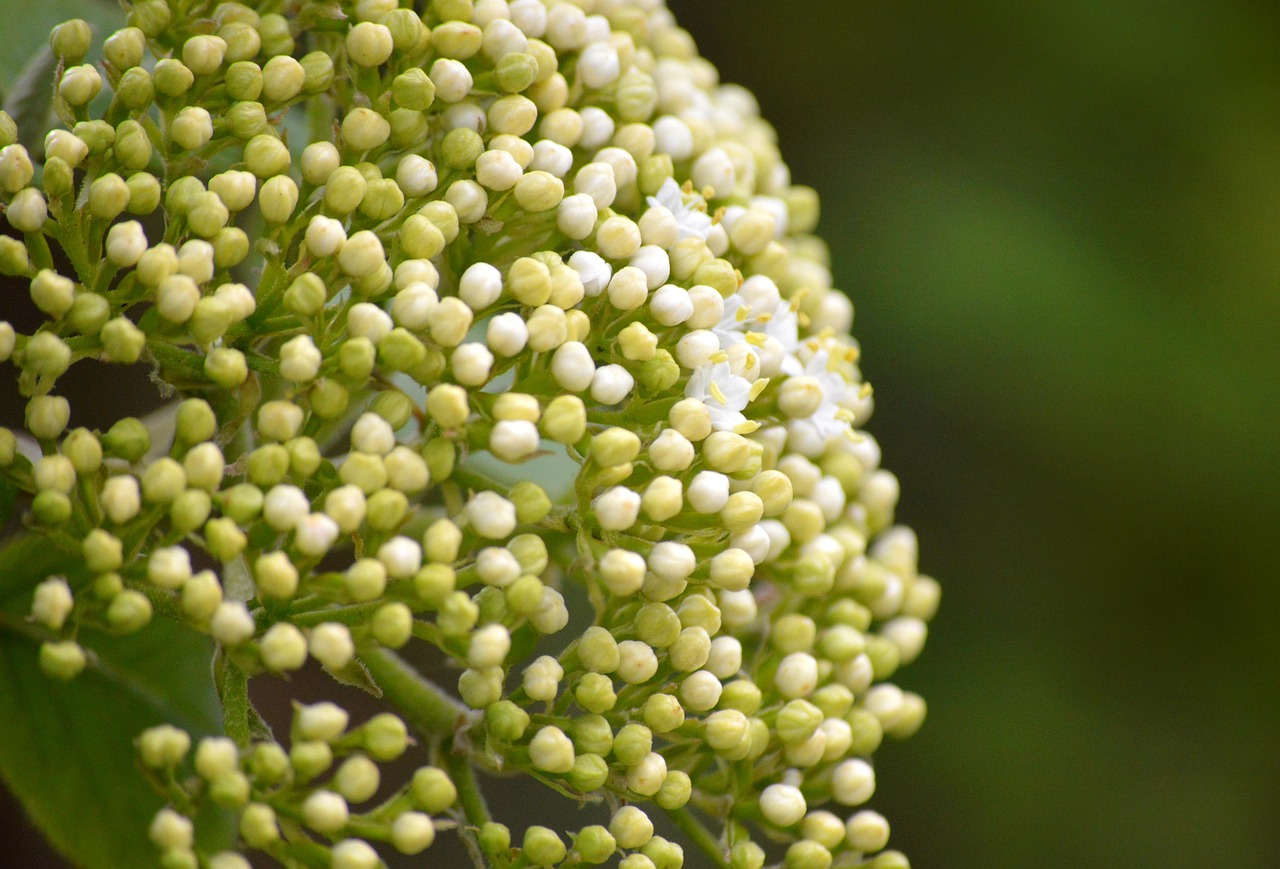

The Science Behind Elderberry for Cold and Flu Support
Elderberry, derived from the Sambucus tree, has gained immense popularity for its potential health benefits, particularly during the cold and flu season. Traditionally, elderberry has been used in folk medicine for centuries to combat infections due to its rich nutrient profile. It contains antioxidants, vitamins, and various beneficial compounds that bolster the immune system. In recent years, scientific research has started to substantiate many of these traditional claims, drawing attention from healthcare professionals and consumers alike. Studies indicate that elderberry may not only reduce the duration of cold symptoms but also prevent the onset of influenza. The active compounds in elderberry, primarily flavonoids, exhibit anti-inflammatory properties that can help mitigate the damaging effects of viral infections on the body. Moreover, elderberry supplements come in various forms, including syrups, gummies, and capsules, making them quite accessible for individuals seeking a natural remedy for respiratory illnesses. Despite the promising research, it is essential to consult with healthcare professionals before integrating elderberry supplements into one’s health regimen. This will ensure safety and effectiveness while maximizing the potential benefits against cold and flu symptoms.
The immune system plays a crucial role in protecting the body from various pathogens, including viruses that cause colds and flu. Elderberry may offer unique support in this area. Various studies suggest that the antioxidants in elderberry can boost immune response, helping the body stave off colds more effectively. One of the primary ways elderberry works is by enhancing the production of cytokines, which are proteins that help direct the immune response. This increased activity helps the body quickly recognize and react to viral infections, potentially reducing the likelihood of illness onset. Additionally, consuming elderberry may decrease inflammation in the respiratory pathways, making it easier to breathe and manage symptoms when they do arise. Many elderberry products also contain other immune-enhancing ingredients such as zinc and vitamin C, further boosting nutritional support during cold and flu season. For those who prefer herbal remedies, elderberry stands out due to its pleasant flavor and ease of incorporation into the diet. By including elderberry in nutritional strategies, individuals may find a natural ally in their quest to maintain optimal health during colder months.
The Benefits of Elderberry Supplements
Elderberry supplements offer several advantages, particularly for those looking to manage cold and flu symptoms naturally. They are concentrated forms of the elderberry fruit, ensuring a higher consumption of beneficial compounds than eating fresh berries alone. Convenience is a significant factor, as these supplements can be easily incorporated into daily routines through syrups or capsules. Many elderly individuals and parents of young children appreciate this straightforward approach to wellness. Evidence from scientific studies highlights elderberry’s potency in minimizing the duration of common colds and alleviating flu symptoms. Participants taking elderberry extract showed improved recovery times compared to those receiving placebos. Furthermore, the potential synergistic effect with other vitamins found in enhanced formulas signifies the value of elderberry in comprehensive immune support. For many, the appeal lies not only in its effectiveness but also in the natural basis of the remedy, aligning with a growing preference for holistic health solutions. However, it’s paramount for individuals to select high-quality elderberry products to ensure potency and effectiveness, giving them the best chance at experiencing the health benefits they seek.
When considering elderberry supplements, understanding proper dosage is critical for safety and efficacy. The appropriate amount can vary widely between individuals based on health, age, and specific health conditions. Most commercial supplements provide guidance on dosage based on clinical research, which typically ranges from 100 to 300 milligrams of elderberry extract per day. Feasible disclaimers usually indicate that these recommendations should not replace medical advice. Consulting with a healthcare professional is wise, especially for individuals who are pregnant, nursing, or on immune-suppressive medications. Moreover, consumers should be aware of any potential interactions with medications, particularly those affecting the immune system. While elderberry is generally considered safe, excessive consumption may lead to gastrointestinal issues such as diarrhea or nausea. Hence, proper education on its use is crucial to maximize benefits while minimizing risks. Products made from quality sources should be prioritized to ensure effectiveness and minimize the chances of undesired side effects. Discovering the suitable supplement for individual needs will require time and research but is ultimately worthwhile for potential users seeking natural remedies.
Potential Side Effects and Considerations
While elderberry supplements are mostly regarded as safe, consumers should remain vigilant regarding potential side effects. Although rare, some individuals may experience allergic reactions or gastrointestinal discomfort. Identifying sensitivities to elderberry or related plants can help avoid unpleasant experiences. It’s advised to start with lower dosages to gauge individual tolerance before progressing to higher amounts. Furthermore, given its immune-stimulating properties, those with autoimmune diseases must exercise caution. It’s crucial to avoid elderberry during periods when the immune system is not in a state of distress to avoid exacerbating any underlying conditions. Additionally, individuals taking medications for diabetes or those on specific supplements should consult their healthcare provider to discuss any potential interactions. Not all elderberry products are created equal, meaning consumers should opt for reputable brands with quality assurance practices to verify content levels. Lastly, pregnant and nursing women should adhere to medical guidance before using elderberry. Promoting safety-first practices while exploring elderberry’s benefits will enable individuals to utilize its properties safely and effectively.
Research surrounding elderberry continues to expand, revealing more about its mechanisms and efficacy against respiratory pathogens. Furthermore, modern science seeks to fine-tune understanding of optimal dosage, which can contribute substantially to a broader acceptance in conventional medicine. Clinical trials have also expanded guidelines about safety, dosage, and interactions, ensuring that users maximize their benefits while minimizing any adverse effects. Continuous studies focus on elderberry’s role in direct antiviral activity, with preliminary studies examining its ability to inhibit viral replication. Incorporating elderberry into treatment plans during cold and flu seasons aligns with increasing consumer demand for natural wellness. Moreover, understanding how elderberry can complement other immune-boosting supplements allows for crafting holistic approaches. Individuals are encouraged to remain informed about new research developments related to elderberry. By keeping abreast of ongoing scientific evidence, one can make informed choices regarding the use of elderberry. The intersection of traditional medicine and modern science demonstrates promising potential, setting the stage for incorporating elderberry as a widely accepted aid in managing cold and flu symptoms.
Conclusion: Embracing Elderberry for Total Wellness
Ultimately, elderberry’s combination of traditional uses and modern scientific backing reinforces its role in cold and flu management. Its beneficial properties, including antioxidant effects and immune enhancement, can make it a formidable supporter of overall health during colder months. For anyone looking to ward off colds or flu, research underscores the importance of integrating elderberry as part of a comprehensive health strategy, alongside other lifestyle regimens such as proper nutrition, exercise, and hydration. While elderberry isn’t a substitute for medical treatment, it offers tremendous advantages when used responsibly in conjunction with prescribed medical care. The delightful taste of elderberry, coupled with its health benefits, makes it an easy addition to daily routines, appealing to various age groups. As ongoing research unfolds, elderberry may continue to unveil more ways it can support health. Therefore, as wellness-minded individuals prioritize natural remedies, elderberry rides the wave of acceptance toward becoming a staple in the health supplement industry, effectively combining nature’s wisdom with modern science for enhanced well-being.