
The Importance of Proper Form in Powerlifting
In powerlifting, achieving the correct form is crucial for both safety and effectiveness during workouts. Proper form ensures that you can lift heavier weights without risking injury. Many lifters ignore the significance of their body mechanics and end up increasing the potential for injuries. Adopting good practices from the start can greatly enhance your performance and longevity in the sport. Establishing a strong foundation starts with understanding and mastering the fundamentals. This entails learning to position your body correctly for each lift. Key components to focus on include foot placement, grip, and maintaining a neutral spine. Seeking guidance through coaching is highly recommended since improper technique can lead to imbalances that not only hinder progress but can also result in chronic pain. As you progress, monitoring your form with video recordings can highlight areas requiring improvement. This self-assessment is invaluable as it allows you to refine your skills over time. Additionally, ensure your warm-up routines emphasize mobility and flexibility, as these factors contribute heavily to maintaining good form during lifts. They also prepare your body for the heavier weights you will lift during your training sessions.
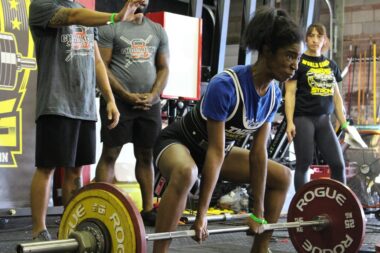
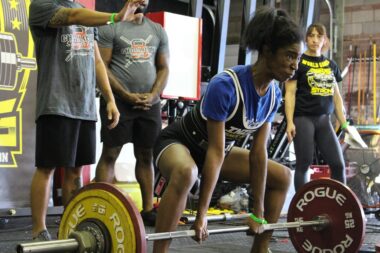
As you delve deeper into powerlifting, understanding the mechanics of each lift will further refine your performance. The three main lifts—squat, deadlift, and bench press—each have specific form requirements that are vital to success. For instance, in the squat, maintaining a straight back and engaging your core is essential to prevent strain. How you position your feet and the depth of your squat are also crucial for optimal results. A common mistake is failing to squat low enough; hitting parallel ensures you engage the targeted muscles effectively. In the deadlift, maintaining a neutral spine while keeping the bar as close to the body as possible promotes efficient lifting mechanics. Proper grip and foot placement can significantly affect your ability to lift heavier weights. Lastly, the bench press requires stability and control; your feet must be firmly planted on the floor while your back maintains contact with the bench. All these elements underscore the importance of proper form. Practicing these techniques regularly will build muscle memory so that they feel natural over time, and this will lead to impressive gains in strength and overall performance.
Benefits of Proper Form in Powerlifting
Correct form is not just a matter of aesthetics; it directly influences your lifting efficiency and safety. When you maintain proper alignment, you distribute forces evenly across your joints, minimizing the risk of injuries such as strains or sprains. Also, good form can lead to better performance; proper mechanics allow for greater force production, helping you lift heavier weights more effectively. Another significant benefit is increased muscle activation. When you perform lifts correctly, you ensure your target muscles are engaged fully, promoting hypertrophy. This activation is key in building strength and muscle. Conversely, poor form often results in underutilization of major muscle groups and may lead to compensatory patterns that can hinder your lifting progress. As you continue training, refining your technique will enable you to progress toward your goals more efficiently. The relationship between muscle fiber engagement and proper form is one that cannot be overstated. Ensuring that every lift serves its purpose in a systematic way brings both safety and results. Make consistency in form a priority, and you will reap the rewards in increased strength and overall fitness.
A common pitfall new lifters encounter is overestimating their strength, which can lead to poor form as they attempt to lift more than their bodies can handle. This is particularly evident in the early stages of training, when ego often takes precedence over technique. It’s essential to resist the temptation to lift heavy weights without having mastered your form first. A focus on lighter weights, while perfecting your technique, can lead to phenomenal gains in the long term. As such, prioritize practicing proper form consistently, even if it means lifting lighter initially. Consider using a mirror or recording yourself during lifts; this can help you visually correct any flaws in your execution. Additionally, seeking feedback from experienced powerlifters or coaches can provide insights that might be overlooked. They can help identify areas for improvement and offer tailored advice suited to your unique biomechanics. Continuing education on lifting techniques through books or courses can be beneficial. Remember, proper form is continuously developed through practice and attention to detail; it’s a never-ending process that promises continual growth in your powerlifting journey.
Common Mistakes in Powerlifting Form
Powerlifting, while rewarding, has its challenges, particularly regarding form. Numerous common mistakes can derail your progress and threaten your safety. One of the most frequent errors is rounding your back during the deadlift, which can lead to severe injury. Maintaining a neutral spine is essential; this means keeping your back flat and avoiding any excessive curvature. Another mistake often seen is bar path inconsistency, especially in the squat and bench press. The bar should move in a straight line to optimize force transfer; any deviation can waste energy and reduce the effectiveness of the lift. Additionally, overextending your joints, especially in the elbow and knee, can put undue stress on ligaments and tendons. This is often caused by improper positioning or lifting too heavily without the requisite control. Furthermore, many lifters forget to engage their core muscles, which is vital for stability during lifts. Neglecting to brace the core causes imbalances, increasing the risk of injury. To avoid these pitfalls, regular assessments of your form through feedback and self-reflection are necessary. Consider working with experienced trainers to enhance your technique effectively.
Implementing form checks into your training routine is essential for long-term progress. Start by dedicating time for warm-ups that emphasize mobility and stability in key joints. Dynamic stretches focusing on the hips, shoulders, and spine can prepare your body adequately for the demands of powerlifting. Ensure you also include technique drills during your warm-up sessions; this way, you can reinforce proper form without the pressure of maximum weights. Gradually increase your loads while maintaining proper form, ensuring that heavy lifts do not lead to deterioration in technique. This careful approach is paramount; consider using lighter weights to focus solely on form enhancement, even if this means reducing overall volume for a session. Combining regular video analysis with feedback from peers or coaches creates a comprehensive strategy for improvement. Document your results to track your progress over time. Lastly, don’t hesitate to adjust your technique based on personal needs or physical feedback; some variations may better suit individual body mechanics. Consistently maintain a balance between pushing your limits and refining your form, ultimately fostering both strength gains and safety.
Conclusion: Mastering Powerlifting Form
Mastering proper form in powerlifting is a journey requiring patience, diligence, and continuous learning. Understanding the importance of technique not only supports your physical safety but also enhances your performance. As you embark on this journey, emphasize the foundational elements of each lift, taking your time to ensure that your body is correctly positioned and aligned. Continuous practice is essential; integrating feedback from experienced lifters and reviewing your techniques through visual aids is equally important. Stay open to refining your approach based on new insights from coaches or peers, as collaboration can lead to devastating improvements in your powerlifting game. The strengthening and conditioning aspects of your training should never be neglected, as these complement your lifting setups. Form should always reign supreme, guiding the weight you aspire to achieve rather than vice versa. Each lifting cycle should include systematic reviews of your form and offers an opportunity to build on previous achievements. With dedication, the marriage of proper form, technique, and effort will yield substantial progress, allowing you to surpass your lifting goals while fostering a lasting love for the sport.
Remember, developing sound habits takes time, and the rewards are worth the effort invested. Everyone, regardless of experience or stage, can benefit from assessing their form constantly. Quality over quantity principle is paramount here; lifting safely with the right form will undoubtedly lead to improved strength and performance outcomes in the long term. Don’t rush the process; embrace technique mastery as part of your journey, allowing your gains to reflect your dedication to proper lifting mechanics. Utilize available resources such as instructional videos and workshops to deepen your understanding of powerlifting. Engage with your lifting community to receive support and that extra motivation required to keep pushing forward. By regularly prioritizing form, you will not only excel in powerlifting but also enjoy a rewarding and fulfilling training experience.