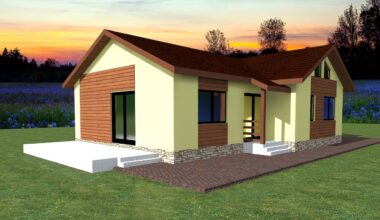

Low-Emission Building Designs for Cleaner Air and Better Health
Low-emission building designs play a vital role in creating healthier living environments. They utilize materials and techniques that significantly lower the emissions of harmful substances. By integrating sustainable practices, these designs help not just the environment but also individual health. A primary focus is ensuring that indoor air quality remains excellent, which minimizes risks of respiratory issues and allergies. Various strategies can be implemented, such as selecting low-VOC paints and finishes, which contribute to cleaner air indoors. Moreover, energy-efficient heating and cooling systems are crucial in maintaining a comfortable atmosphere while reducing carbon footprints. This means that homes and offices designed with these principles can help residents breathe easier. Additionally, incorporating natural ventilation encourages the circulation of fresh air throughout spaces. In turn, this can lead to a decrease in airborne pollutants. The long-term advantages associated with low-emission buildings include reduced energy costs and enhanced overall well-being. As the awareness of environmental degradation grows, the demand for these building designs continues to rise, signifying a shift toward sustainability in architecture and urban planning.
Awareness surrounding environmental health has spurred the innovation of low-emission building designs. These concepts focus primarily on innovative materials that are both sustainable and non-toxic. Emphasizing local resources helps reduce transportation emissions while also boosting the local economy. Incorporating eco-friendly materials in construction leads to lower discharge of pollutants into the air. Furthermore, the use of renewable resources such as bamboo or recycled steel provides a sustainable alternative to conventional materials. Low-emission buildings often integrate energy-efficient technologies, like solar panels or wind turbines, positioning them as future-ready and cost-effective solutions. Such systems facilitate the generation of clean energy on-site, reducing dependence on fossil fuels. Additionally, the structural design can optimize natural light, reducing reliance on artificial lighting. This leads to energy savings and a more pleasant ambient condition. The result is a balanced indoor environment that promotes productivity and mental well-being. Community engagement is also essential during these initiatives, as promoting awareness among occupants enhances the effectiveness of low-emission designs. As societies evolve towards more sustainable living practices, adopting these designs is imperative in addressing pressing environmental concerns.
Impact of Low-Emission Designs on Health
Health implications related to building designs cannot be overemphasized. High-emission structures often result in a rise in air pollutants, contributing to chronic diseases, particularly respiratory illnesses. By adopting low-emission building designs, architects strive to improve the health profile of communities. Studies reveal that greener buildings significantly affect occupants’ physical well-being, leading to fewer sick days. By reducing exposure to toxic substances, it helps keep indoor environments cleaner and more breathable. Various studies link healthier indoor air quality to increased productivity and well-being among workers and residents alike. Moreover, these designs tend also to enhance the occupant’s mood and comfort levels. Low-emission buildings typically incorporate natural elements, such as plants, which not only improve aesthetics but contribute to psychological well-being. Research shows that introducing greenery can alleviate stress and enhance focus. Noise insulation qualities in these structures also mean less distraction, further boosting overall health. Implementing low-emission strategies results in a healthier community as individuals feel better physically and emotionally. Community investment in these designs signals caring for both environmental health and public well-being.
Technological advancements offer new opportunities for implementing low-emission building designs. Automation systems allow for better management of energy consumption, reducing wastage significantly. As smart technology enhances operational efficiency, it offers the potential for buildings to automatically adjust energy use based on occupancy levels. This means that power isn’t utilized when rooms are empty, contributing to overall emissions reduction. Additionally, advanced cladding materials improve insulation, ensuring buildings conserve heating and cooling. Innovations in material engineering have brought about insulation that not only conserves energy but is also environmentally friendly. There is a strong push towards employing advanced manufacturing processes that reduce emissions during production. Incorporating life cycle assessments enables designers to choose materials based on their entire ecological impact. Furthermore, digital modeling tools allow architects to simulate various designs before construction. This enables them to visualize the most effective low-emission strategies. Collaboration across disciplines enhances innovation, ensuring the creation of sustainable buildings. Governments are often incentivizing these practices through grants or tax benefits which further encourages widespread adoption. These technological integrations mark a significant leap towards smarter, healthier building solutions that prioritize sustainability.
Choosing the Right Materials
Selecting the right materials is crucial in achieving low-emission building designs effectively. Designers must consider not only the environmental impact but also the long-term usability and durability of materials. Sustainable options such as reclaimed wood, recycled metal, and low-VOC products contribute significantly to reducing emissions. Opting for certified materials ensures adherence to strict environmental standards, further enhancing ecological integrity. Additionally, transparency in sourcing is essential; builders must know where materials come from and their carbon footprint. In recent years, manufacturers have developed innovative solutions that prioritize sustainability without sacrificing performance. Utilizing materials that are locally sourced minimizes transportation emissions, which further reduces the overall environmental impact. Building with energy-efficient materials can lead to massive savings over time, thus making the investment worthwhile. Furthermore, materials that require little maintenance contribute to lower resource consumption over the lifespan of a structure. Projects with informed material selection frequently qualify for sustainable building certifications. These certifications are essential for promoting accountability within the industry. Therefore, actively engaging in responsible material choices can create healthier, more sustainable buildings, while also fostering community confidence in architectural practices.
The integration of nature within low-emission building designs offers even greater benefits for occupants’ health and the environment. Biophilic design allows for the incorporation of natural elements, enhancing indoor spaces while promoting wellness. Features such as living walls or rooftop gardens not only improve aesthetics but also contribute to improving air quality. They absorb carbon dioxide and release oxygen, creating a healthier environment. Additionally, these natural systems can provide temperature regulation, reducing the need for artificial cooling or heating methods. Observations indicate that occupants in biophilic-designed spaces report a boost in mood and productivity levels. Furthermore, utilizing natural light strategically can reduce energy consumption significantly, aiding in minimizing greenhouse gas emissions. Integral cycles can derive from harnessing rainwater for irrigation or utilizing graywater systems. Innovative practices that include green roofs contribute to stormwater management and urban biodiversity. Expectedly, these designs can attract more wildlife to urban areas, restoring ecological balance. As designers continue pushing the envelope, it becomes evident that integrating nature into building practices is essential not just for health, but also for revitalizing our environments. This holistic approach urges forward-thinking in tackling urban challenges.
The Future of Green Building Designs
As society continues to transition towards more sustainable living, the future of green building designs appears promising. Architectural advancements coupled with growing awareness of environmental issues propel this movement. The demand for eco-friendly, low-emission structures increases as communities recognize their health benefits. Developers and contractors are responding to this demand by embracing innovative building practices. Emerging trends include passive housing technology, which emphasizes energy efficiency and comfort without sacrificing style and functionality. Moreover, there is increased consideration for the entire life cycle of buildings, from conception to demolition. As regulations evolve, building codes are becoming more stringent regarding sustainable practices. This results in architects designing with longevity in mind, prioritizing durability and adaptability. The incorporation of smart technologies continues to evolve, allowing buildings to not only be energy efficient but also responsive to their inhabitants’ needs. Governments across the globe are establishing policies to incentivize green construction methods, ensuring long-term investment in sustainability. This shift illustrates a profound understanding that the health of individuals and the planet are intimately connected. Ultimately, the future of low-emission designs promises a cleaner, healthier world for generations to come.
In conclusion, the relevance of low-emission building designs cannot be overstated, especially in today’s world. They represent a critical avenue toward mitigating climate change and improving public health outcomes. By focusing on environmentally friendly and health-conscious strategies, architects and builders take meaningful steps towards sustainability. Low-emission buildings foster healthier communities through improved air quality and reduced exposure to harmful substances. Emphasizing sustainable materials and technologies enhances the overall quality of living, allowing residents to thrive. Educating the public about the benefits associated with these designs is necessary for fostering a culture of eco-consciousness. Engaging community stakeholders ensures that innovation aligns with residents’ needs and preferences. As individuals become more aware of their impact on the environment, advocacy for low-emission designs grows. The future beckons the incorporation of these principles into mainstream architecture. The collaboration between government, industry, and communities promotes accountability toward sustainable building practices. It encourages a collective effort to prioritize public health alongside ecological balance. The transition toward greener building designs echoes a commitment to creating lasting change. Ultimately, investing in low-emission designs is not just a choice; it is a necessary step toward a cleaner, healthier future.