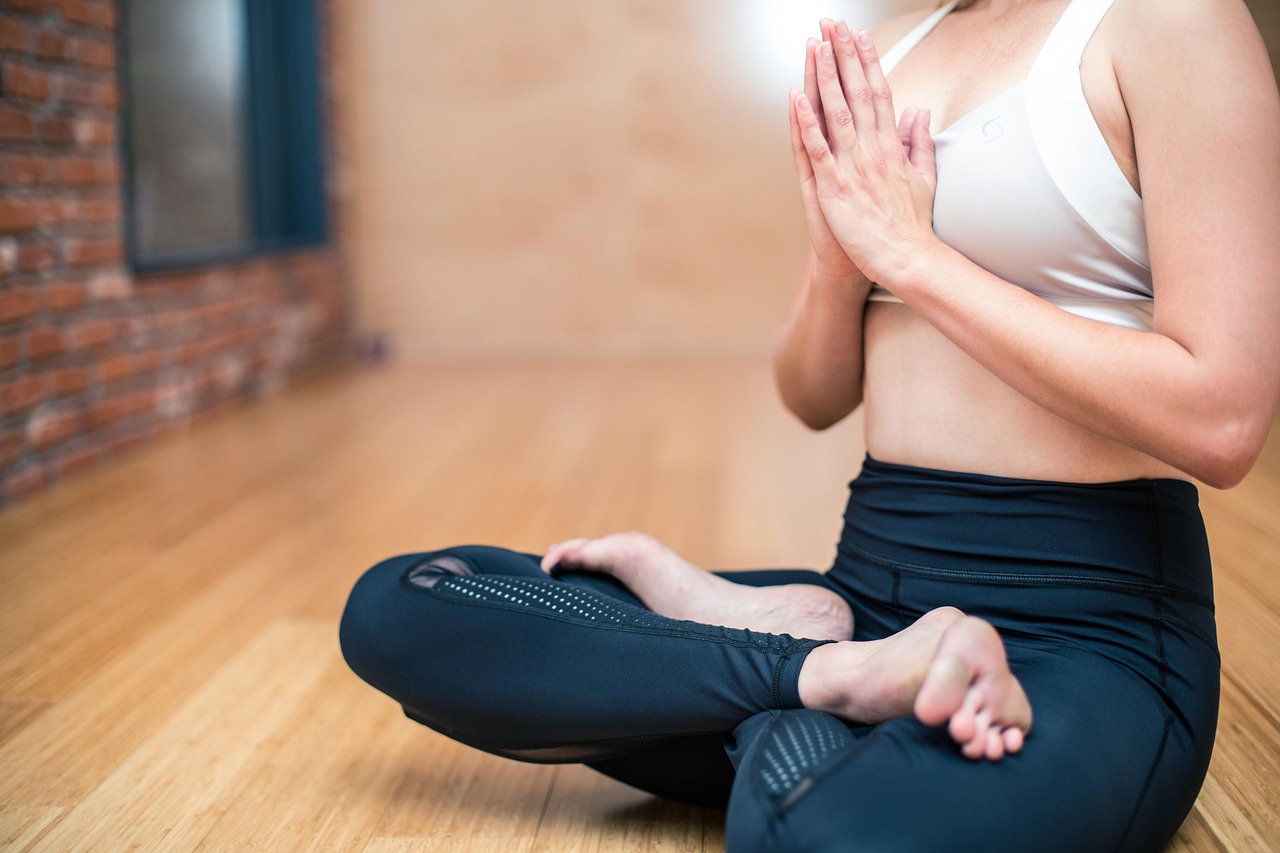

Integrating Mindfulness into Your Functional Fitness Practice
Functional fitness focuses on exercises that mimic real-life movements, improving daily activities. Integrating mindfulness into this practice enhances the quality of workouts by promoting awareness and intent. Mindful movement can increase the effectiveness of each exercise, leading to better results. This approach encourages participants to be present and focused, reducing the risk of injury through proper form. Mindfulness elevates the experience, helping individuals align their body and mind during every workout session. Embracing these practices is essential for beginners seeking longevity and joy in their fitness routines. When each movement is intentional, practitioners engage more deeply and develop a stronger connection to their exercise. This process transforms functional fitness into a holistic practice that benefits both physical and mental health. Overall, integrating mindfulness empowers individuals to cultivate resilience, patience, and self-awareness while gradually improving their functional fitness capabilities. This transformation can significantly affect beginner’s experience, fostering a positive attitude toward future workouts. As the effects of mindfulness unfold, fitness becomes more enjoyable and less of a chore. With dedication, anyone can create a sustainable functional fitness practice that incorporates mindfulness effectively.
The Importance of Breathing Techniques
Mastering breathing techniques is an essential element of integrating mindfulness into functional fitness. Proper breathing techniques can optimize workouts by ensuring that each muscle group gets the oxygen it needs. Developing a conscious breathing practice helps maintain focus, centering the mind and body during activities. For beginners, focusing on breath can be a simple way to create a connection between physical movements and mental awareness. Diaphragmatic breathing, for example, encourages deep inhalations that promote calmness, enabling practitioners to perform exercises with better precision. Practicing breath control can also reduce stress, keeping practitioners anchored in the present moment. By honing these skills, beginners promote increased stamina and overall fitness efficacy. Additionally, breath awareness can cultivate a heightened sense of trust in one’s body, paving the way for more significant challenges over time. Experimenting with different breathing patterns during workouts can lead to surprising insights and transformative shifts in physical performance. Listening to physiological cues while exercising encourages mindfulness and can be a critical factor in developing longevity in pursuing fitness goals. Hence, mastering breath not only improves effectiveness but also invests in a fulfilling fitness journey.
Being mindful during workouts allows for enhanced body awareness. This refers to consciously understanding one’s body movements while exercising and adjusting them accordingly. Training with mindfulness fosters a more profound connection to one’s physical capabilities and limitations. Beginners often overlook the importance of body awareness, focusing solely on completing workouts instead of experiencing them. By prioritizing mindfulness, practitioners learn to listen to their bodies’ signals, preventing injuries due to improper form. The integration of techniques like body scanning during workouts can solidify this understanding. It involves systematically assessing various body parts to gauge tension levels or discomfort. Such practices encourage individuals to address these sensations promptly, ensuring longer sessions without strain or excessive fatigue. This newfound awareness cultivates patience and encourages individuals to honor their unique fitness journeys. Furthermore, it empowers beginners to modify their workouts as needed, leading to safer and more enjoyable experiences. Sharing these concepts within a supportive community can motivate peers to explore similar practices. As one gradually evolves in their body awareness, functional fitness can be approached holistically, marrying movement with mindfulness for transformative outcomes in personal wellness.
Creating a Mindful Environment
Establishing a mindful environment is an often-overlooked aspect of a successful functional fitness practice. A significant part of cultivating mindfulness stems from the setting where workouts take place. Space and ambiance can contribute to overall mental clarity and focus during exercise. Choosing a clean, organized workout space can help eliminate distractions and promote inner peace while engaging in physical activity. Beginners should pay attention to the lighting, sounds, and even scents present during their practice. Low lighting might create a warm, calming atmosphere, while upbeat music may contribute energy, helping them stay motivated. Additionally, incorporating natural elements like plants can enhance emotional well-being, as studies show a connection to nature can improve mood and reduce stress. Practicing mindfulness in a familiar, comfortable environment aids focus, which can deepen the workout experience. Taking time to create your ideal environment may help individuals view fitness as a personal sanctuary. Transitioning into a mindful practice requires dedication, but cultivating the right environment lays the foundation for a strong connection between mind and body, ensuring individuals can grow and thrive on their fitness journeys.
Incorporating mindfulness into functional fitness also means embracing gratitude. Practitioners should acknowledge and appreciate their capabilities, regardless of their current fitness levels. Cultivating a sense of gratitude not only enhances motivation but helps individuals build a positive relationship with their bodies. Each workout should be viewed as an opportunity for growth, which can be extraordinarily empowering. By expressing gratitude towards one’s progress, no matter how small, beginners can foster a healthier mindset that encourages continued efforts. Celebrating achievements reinforces motivation and inspires individuals to pursue their fitness goals with enthusiasm. Embracing gratitude can also enhance one’s overall experience by placing focus on the present moment rather than future expectations. Practitioners should take time to reflect before and after workouts, allowing themselves to connect emotionally. Implementing a gratitude journal specifically for fitness can serve as a joyful reminder of how far one has come. Incorporating this practice enables individuals to acknowledge their strengths and challenges, sustaining a balanced perspective throughout their fitness journey. Over time, gratitude inevitably plays a pivotal role in sustaining long-term motivation in functional fitness.
Mindfulness Techniques in Action
Practicing mindfulness techniques can take many forms within functional fitness. Incorporating yoga and meditation as a part of the workout routine can help deepen the connection between mind and body. Yoga not only enhances flexibility and range of motion but also cultivates a sense of peace and focus, essential elements for any fitness journey. Beginners might start with simple poses that promote both body awareness and relaxation. Combining yoga with functional exercises like squats or lunges can yield powerful results. Additionally, incorporating mindfulness practices such as visualization can enhance intensity, where practitioners envision the ideal performance of exercises before execution. This technique can lead to improved physical outcomes while instilling a sense of calmness amidst engaging workouts. Practicing mindfulness during high-intensity sessions, like interval training, helps practitioners manage their pace and burn more calories. Combining mindful movement with breath control promotes not only a physical workout but a mental one too. In essence, blending mindfulness techniques within functional fitness serves to maximize individual potential while nurturing a tranquil state of mind throughout the journey.
In conclusion, integrating mindfulness into your functional fitness practice is a transformative journey beneficial for beginners. As individuals embark on this path, both physical and mental improvements flourish. By embracing mindful breathing, body awareness, and environmental mindfulness, fitness becomes not just a routine but a holistic journey. The benefits of incorporating gratitude further elevate the experience, ensuring that practitioners maintain a positive relationship with their workouts. Additionally, employing mindfulness techniques during exercises leads to enhanced performance and reduces the risk of injuries. Each workout is approached with intention, allowing individuals to foster a strong connection with their bodies. This intentional focus guarantees a supportive experience not only for oneself but within the community. The practical aspects make mindfulness accessible for those new to functional fitness while also offering profound benefits that can transform one’s approach. As practitioners continue to grow in their understanding of the discipline, they will likely discover new techniques and practices that resonate with their journey. Through dedication and awareness, the ultimate goal of a harmonious mind-body connection can be achieved, paving the way for lifelong fitness and wellness.
As you embark on incorporating mindfulness into your functional fitness practice, know that creating a supportive community can be incredibly beneficial. Engaging with others who share similar goals fosters encouragement and exchange of techniques, enhancing the overall experience. Classes or groups focused on mindfulness in fitness can introduce diverse methods and practices you may not discover alone. If group settings aren’t feasible, seeking a supportive online community can provide similar benefits, offering unique perspectives and shared experiences. Collaborating with both beginners and experienced practitioners creates an environment enriched with motivation and shared knowledge. Sharing practices related to mindfulness encourages development as you learn from each other’s experiences. Connecting with others who value the marriage of mindfulness and movement can amplify one’s commitment to pursuing fitness goals. Finding a coach or mentor specializing in mindful practices can provide insights tailored to individual needs. Overall, fostering a sense of community, whether in-person or online, deepens the mindfulness journey in functional fitness. By doing this, beginners can create sustainable, fulfilling relationships with their practice and witness positive transformations in their personal wellness journeys.