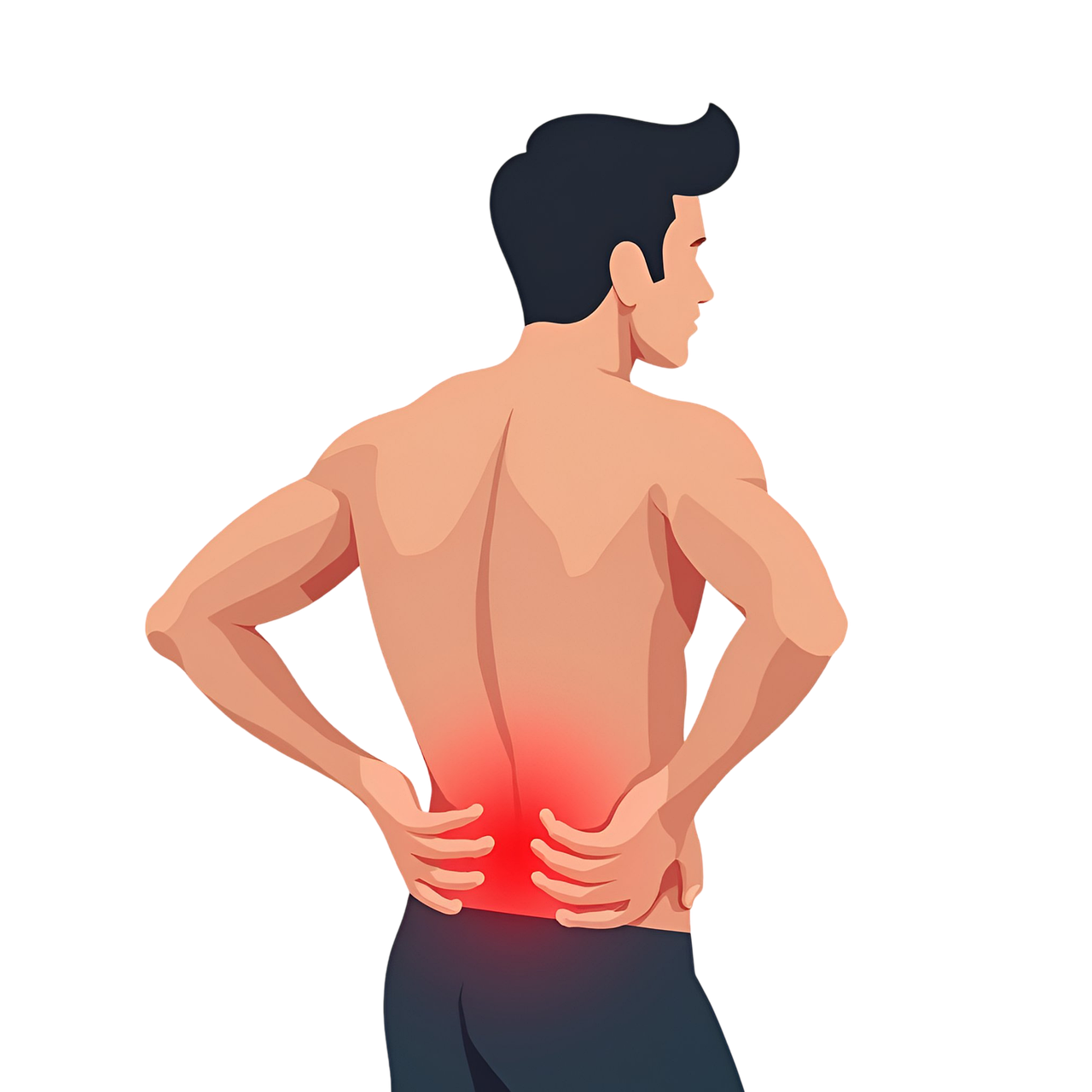

How to Recognize and Fix Poor Posture Early
Maintaining good posture is essential for overall body health and function. A common mistake many people make is not being aware of their body alignment throughout the day. Poor posture can lead to discomfort and long-term health issues, including chronic pain and decreased mobility. To combat this, it is important to actively monitor your posture during various activities, such as sitting at a desk or standing while waiting in line. One effective practice is to regularly check your alignment by conducting quick assessments every hour. If you’re sitting, your back should be straight, with feet flat on the floor. Similarly, while standing, ensure your shoulders are back and your head is aligned over your spine. Consider incorporating regular stretching and movement to counteract prolonged periods of sitting or standing. Simple exercises can enhance flexibility and strengthen your core muscles, leading to improved posture. Pay attention to your body’s signals, as discomfort often indicates poor posture. Additionally, educational resources, like online ergonomic courses, can further assist in increasing your awareness and promoting better habits.
Another crucial aspect of addressing posture is understanding the different positions our bodies take during daily activities. Each activity, from typing on a computer to cooking, requires awareness about how our bodies are positioned. For instance, sitting at a computer for long hours can lead to adverse effects, particularly if your chair and workstation are not ergonomically adjusted. Make sure your chair supports your lower back adequately and that your computer screen is at eye level, to minimize neck strain. If necessary, invest in ergonomic office equipment or furniture to enhance your workspace. Additionally, using supportive tools like cushions or lumbar supports can further improve your sitting posture. During breaks, stand up, stretch, or even take a short walk to reset your posture. If you experience recurrent discomfort, consider consulting a physical therapist for personalized posture correction strategies. They can also provide tailored exercise recommendations that strengthen key muscle groups responsible for maintaining proper posture. Remember, small adjustments can lead to significant improvements over time, enhancing both daily comfort and overall wellness.
In addition to adjusting your workspace, it is essential to be aware of how you carry and support weight throughout the day. For instance, properly lifting and carrying objects is fundamental to maintaining good posture and preventing injuries. Always bend your knees and keep your back straight when picking up heavy items. When using a backpack or handbag, distribute weight evenly to avoid straining one side of your body. Consider using both straps of a backpack rather than slinging it over one shoulder to maintain a balanced posture. This can also help avoid muscle imbalances that contribute to chronic pain. Similarly, if carrying groceries or other heavy items, make multiple trips instead of overloading yourself. With technology continuously integrating into our lives, mobile devices can lead to poor posture as well. Practice holding your phone at eye level to reduce neck strain, and try to minimize texting while looking down. By applying these simple practices to your daily routine, you can greatly reduce the risk of developing posture-related issues and enhance your overall health.
Posture Monitoring Techniques
To further improve your posture, consider employing technology as a helpful ally. Various apps and wearable devices are designed to promote better posture through tracking and reminders. Devices such as posture correction wearables can alert you if you begin to slouch or hunch your back, helping you correct your posture in real-time. Another effective technique is to use visual reminders in your workspace—post-it notes or images can serve as gentle nudges to maintain awareness of your body alignment throughout the day. Setting reminders on your phone or computer can also encourage you to take breaks, stretch, and reevaluate your posture. Engage in mindfulness practices, such as yoga or meditation, which can also increase body awareness, enhancing your ability to notice when your posture is not ideal. Attending workshops or classes focused on posture can provide both theoretical knowledge and practical techniques to improve your alignment and overall muscular health. By integrating technology and mindfulness into your routine, maintaining good posture becomes easier and more achievable across your daily activities.
Finding an engaging way to improve posture while incorporating enjoyable activities can yield remarkable results. Consider including different forms of movement, such as dance, walking, or group exercise activities, into your routine. Participating in these activities helps to develop better body awareness while promoting flexibility and strength. This not only brings enjoyment to your daily life but also fosters a sense of community, motivating you to stick to your posture goals. Joining a group can encourage accountability while also providing opportunities to learn from others about effective posture practices. Many fitness centers also organize workshops focusing on posture oriented workouts, offering guidance and knowledge on how to maintain proper alignment during various exercises. Techniques like Pilates and Tai Chi specifically target posture improvement by emphasizing core strength and flexibility. Remember, the key to lasting change is consistency—make a commitment to integrate activities into your lifestyle that support your posture, making wellness a satisfying and motivational pursuit.
Upon recognizing the importance of posture, staying informed about its impacts on health is essential. Research consistently highlights the relationship between poor posture and a variety of health issues including fatigue, headaches, and even diminished mental performance. Thus, making improvements to your posture can present benefits beyond physical appearances, positively influencing productivity and emotional wellbeing. Engage with reliable sources that provide educational materials regarding the significance of posture in everyday life. For instance, look into articles or videos created by physiotherapists, ergonomics experts, or health bloggers who discuss simple strategies. Creating a personal library of resources can enhance your understanding and motivation for maintaining good posture habits. Help your family and friends by sharing what you have learned as well so that they too can make changes for better health. In conclusion, taking small, consistent steps to improve posture, ultimately leads to a happier and healthier life. By applying principles of ergonomics, movement, and awareness, you can begin the journey to sustaining better posture, enhancing your quality of life significantly.
Conclusion
Incorporating posture awareness into your daily life can transform your overall wellness. Recognizing poor posture early is vital to reducing the risk of long-term complications. It’s essential to actively monitor how you sit, stand, and carry weight to avoid physical and emotional discomfort. Remember that maintaining good posture is a continual journey involving commitment and practice. Engaging in ergonomic practices, staying physically active, and utilizing technology wisely can enhance your posture awareness journey. Be proactive in seeking knowledge surrounding posture improvement methods, including adjustment strategies that suit your lifestyle. Share your learning with others to foster a supportive community focused on health and well-being. With consistent effort, it is possible to achieve improved posture and reap its numerous benefits. As you enhance your alignment, you will likely notice increased energy levels, reduced pain, and overall greater well-being in your daily activities. The benefits of good posture extend beyond physical appearances and can significantly impact overall happiness and health.
Embrace the journey to better posture, and remember that small changes lead to significant improvements. Make adjustments now, and experience the positive changes throughout your life.