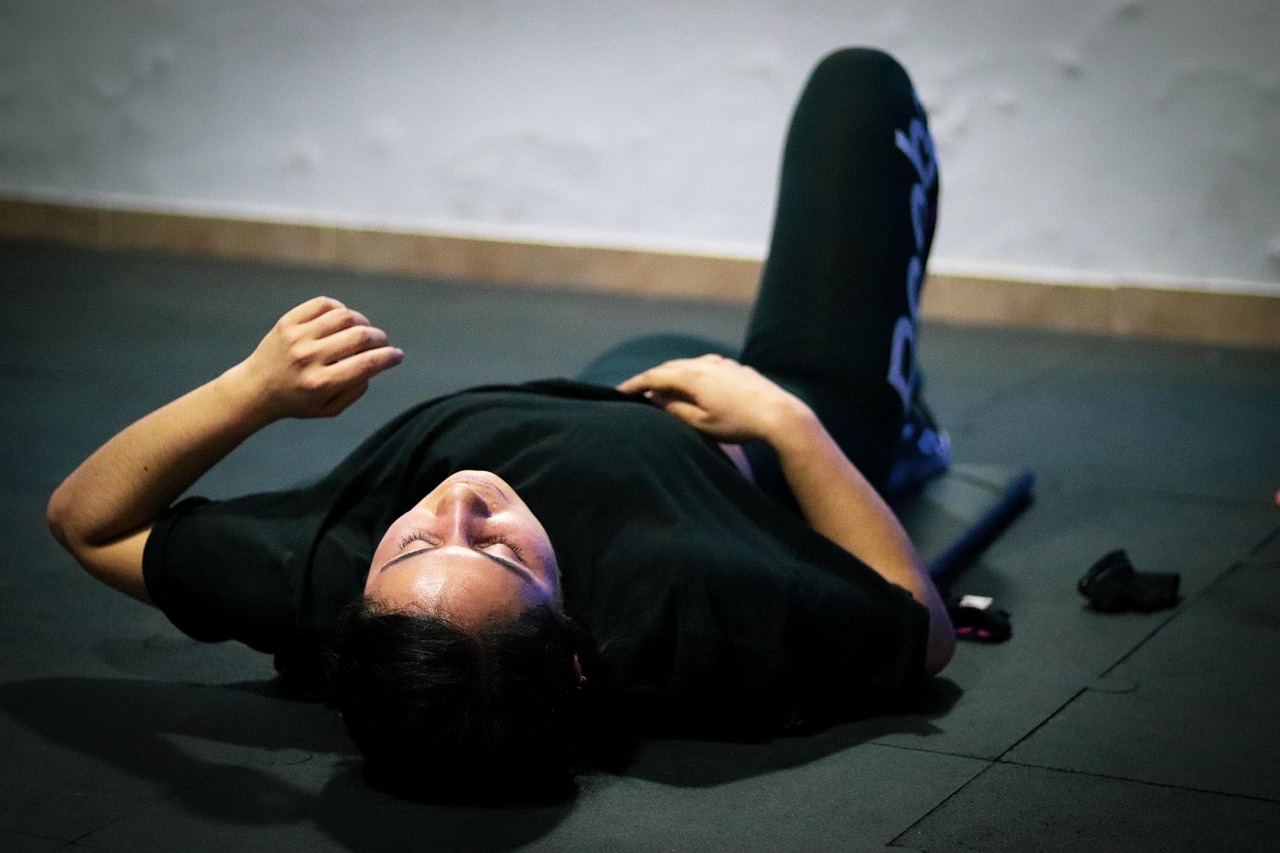

Balance Your Body by Strengthening Your Core for Perfect Posture
The core is the central part of the body that plays an essential role in maintaining good posture. Core conditioning is crucial for supporting the spine, as it stabilizes the abdominal and back muscles. A strong core can prevent pain and injuries associated with poor posture and is vital for daily activities. To enhance core strength, engaging in various exercises targeting this area is beneficial. Pilates and yoga are excellent options often recommended. They emphasize deep core activation while providing flexibility and balance. The incorporation of resistance training provides additional benefits; using weights or resistance bands helps increase muscle strength. Additionally, movements like planks, bridges, and abdominal crunches are effective for core conditioning. Also, proper breathing techniques while exercising improve oxygen flow and muscle function. By committing to a regular core strengthening routine, individuals can experience enhanced alignment and improved overall posture. Furthermore, a strong core contributes to better athletic performance, as it stabilizes the body during various physical activities. Thus, focusing on core conditioning sets the foundation for functional fitness and long-term health.
Incorporating a core strengthening routine into your fitness regimen leads to numerous advantages. Improved posture helps to reduce the strain on the spine and can alleviate discomfort associated with prolonged sitting. A well-conditioned core is key for athletes, as it enhances performance and helps in executing movements with power and precision. Emphasizing exercises that build functional strength, which translates into daily life activities, creates a stable base. Furthermore, learning how to activate the core muscles correctly is fundamental for maximizing the impact of these exercises. Identifying the transverse abdominis, rectus abdominis, and oblique muscles aids in creating a balanced program. Equally important is focusing on flexibility and mobility in addition to strength training; this helps prevent injuries and promotes muscle recovery. Techniques such as foam rolling and stretching can be incorporated before and after workouts for optimal results. Monitoring progress is essential; a fitness journal can be a helpful tool to track improvements. Set realistic goals, as consistent practice is more effective than sporadic intense workouts. Engaging in group classes or hiring a personal trainer can also provide motivation and guidance.
Understanding the Components of Core Strength
Core strength comprises more than just stomach muscles; it includes the entire torso, including the muscles around the hips and spine. These muscles play crucial roles in maintaining alignment and stability during movement. A well-rounded approach considers the interconnectedness of muscle groups. Focus on exercises that engage multiple muscle sections simultaneously. Stability exercises, for instance, are valuable for this purpose. Activities like medicine ball throws and stability ball workouts challenge balance and coordination, fostering an integrated muscular response. When strengthening the core, it’s beneficial to incorporate rotation and anti-rotation movements. These types of exercises prepare the body for real-life challenges. For example, twisting movements replicate daily actions such as reaching or turning. Additionally, implementing functional movements that mimic athletic and everyday tasks provides practical benefits. Effective core workouts should also address endurance; maintaining core activation over time is crucial for supporting posture during extended periods of standing or sitting. Combine dynamic movements with controlled stability-focused exercises for comprehensive development. Engaging in these practices consistently contributes to a balanced and resilient posture throughout various activities.
Good posture positively impacts self-image, confidence, and physical well-being. When individuals adopt a neutral spine position, they often feel more energetic and invigorated. Conversely, poor posture may lead to feelings of discomfort and fatigue, especially in the upper back and shoulders. Prolonged periods spent in front of a computer can exacerbate these issues. It’s crucial to establish an ergonomic workspace to promote better posture. Adjusting chair height, using lumbar support, and placing screens at eye level can mitigate strain. Breaks from seated activities are essential; standing up or stretching every hour improves circulation and reduces stiffness. Incorporating simple strengthening and stretching routines during breaks can also enhance your core engagement. When the body experiences tension, mindfulness techniques such as deep breathing can alleviate stress and encourage relaxation. Furthermore, maintaining awareness of body positioning throughout the day plays a significant role. Simple reminders to engage the core during daily activities can foster lasting habits. By remaining conscious of posture while walking, sitting, or standing, individuals can gradually create an automatic response to maintain optimal alignment.
Implementing a Variety of Exercises
For effective core conditioning, diversity in exercise selection is vital. Mixing traditional strength training with functional movements offers comprehensive benefits. For example, squats, deadlifts, and push-ups inadvertently engage the core while strengthening other muscle groups. Include dynamic movements that challenge balance and coordination. Items such as balance discs can enhance training with unstable surfaces. Use core-specific movements like Russian twists or bicycle crunches for targeted workouts. Additionally, performing exercises that engage multiple muscle groups adds challenge and enhances functional fitness. Incorporating tools such as resistance bands or kettlebells amplifies strength-building potential. Moreover, circuit training routines can deliver a balanced approach, combining cardiovascular endurance with core strength conditions. This technique keeps the heart rate elevated while targeting the core. Set specific days dedicated to core training for optimal results, ensuring recovery with days focused on other muscle groups. Consistency plays a crucial role; schedule workouts to stay on track. Having a plan and setting measurable goals keeps motivation levels high. Variability in resistance and intensity will further prevent plateaus and promote continuous growth in strength.
Beyond workouts, nutritional considerations play a significant role in core conditioning. A balanced diet helps to fuel workouts while aiding in recovery and muscle repair. Prioritize protein sources like lean meats, legumes, and dairy to support muscle growth. Increasing fiber intake through fruits, vegetables, and whole grains promotes digestive health and satiety. Hydration is equally important; drinking adequate amounts of water maximizes cellular function and helps prevent early fatigue. Additionally, it enhances overall nutrient absorption, enabling effective metabolism. Evaluate meal timing to ensure optimal energy levels during workouts; consuming small, nutritious snacks before training sessions provides a boost. Post-workout, integrating protein with carbohydrates aids in muscle recovery and replenishes glycogen stores. Seek variety in dietary choices by exploring different cuisines or new recipes. This not only keeps meals interesting, but also introduces new nutrients. Ultimately, a holistic approach combining core workouts with nutrition leads to sustainable results. Adopting healthy habits and fostering a positive mindset reinforces efforts towards core strengthening and improved posture, promoting an enhanced quality of life and physical ability.
Overcoming Common Challenges
Many individuals face challenges on the path to effective core strengthening and improving posture. Time constraints can pose a significant barrier, as busy lifestyles make it difficult to commit to regular workouts. However, short, focused workouts can still yield benefits; even 15-20 minutes of targeted exercise can make a difference. Another challenge might be a lack of motivation; finding an exercise buddy or joining group classes can create a supportive environment that nurtures consistency. Additionally, incorrect technique leads to ineffective workouts and potential injuries. Educating oneself on proper form is vital for maximizing benefits and minimizing risks. Utilizing mirrors for self-assessment or seeking guidance from trainers can provide valuable feedback. It’s also common to encounter plateaus in progress; regularly changing workout routines can reinvigorate motivation. Setting small, achievable goals keeps individuals focused on progress and allows room for celebration. Recovery and rest are equally crucial; incorporating rest days prevents burnout and enhances performance. Acknowledging and addressing subsequent challenges leads to sustained commitment to core strengthening efforts. Remember, every step, no matter how small, contributes to improving posture and overall well-being.
In conclusion, core conditioning significantly impacts your overall posture and body balance. The implementation of a consistent, well-rounded program facilitates improvements in core strength, flexibility, and alignment. This journey requires patience and dedication, yet the rewards emerge in enhanced body awareness and confidence. Engage in mindful practices to cultivate a positive relationship with your body and movement. Beyond workouts, the focus on nutrition and self-care fortifies your progress toward your goals. Celebrate milestones along the way; acknowledging advancements fosters further motivation to embrace the journey. Additionally, incorporating restorative practices aids recovery and maintains physical and mental balance. Explore various fitness styles to find what resonates with you, ensuring sustainability in your core strengthening endeavors. Implement routine check-ins to evaluate progress and adjust goals as necessary. Furthermore, inspiring relationships within the fitness community create support systems to elevate motivation levels. Focus on creating long-term habits rather than quick fixes; sustainable success arises from consistent actions. Ultimately, the collective commitment to core conditioning establishes foundations for a healthier lifestyle. Embrace the journey, and you will discover the transformative power of strengthening your core for better posture and increased vitality.