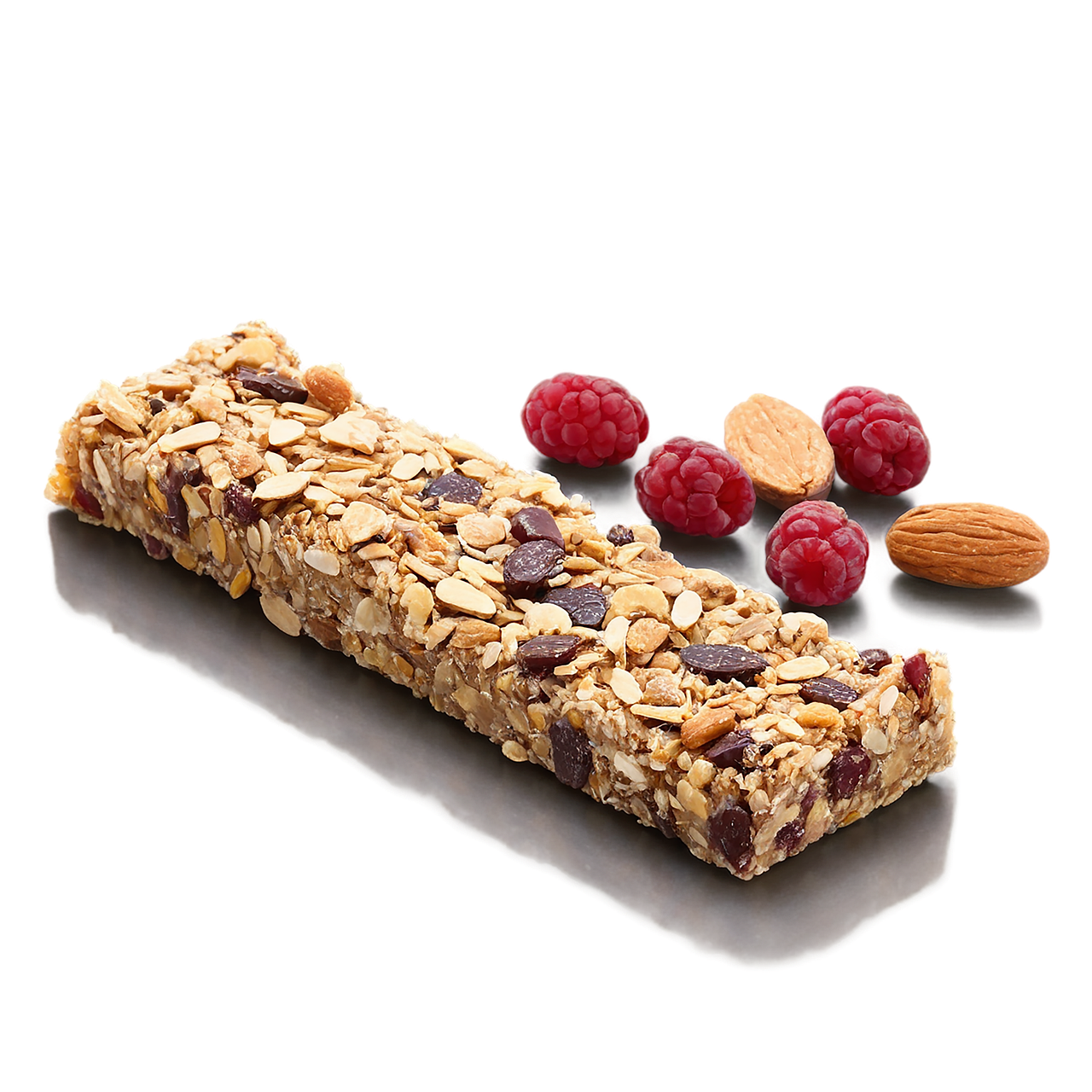

Energy Bars and Shakes: Best Vegetarian Options for Sports Nutrition
For athletes and fitness enthusiasts, energy bars and shakes have become essential tools in the pursuit of performance and recovery. Vegetarians often face unique challenges in choosing options that fulfill various nutritional needs. For a well-rounded vegetarian diet, it is critical to include sufficient protein, healthy fats, and carbohydrates. Energy bars are convenient, portable snacks, while shakes offer customizable nutrition post-exercise. Popular vegetarian options can be loaded with ingredients such as nuts, seeds, fruits, and plant-based protein powders. Additionally, it is important to read ingredient labels carefully to avoid bars with added sugars and artificial ingredients. Many brands now cater specifically to vegetarians, crafting products that are safe and nutritious. Choosing bars that contain whole food ingredients often ensures better nutrient density. You can find varied flavors, textures, and formulations, ranging from nut-based to granola-style. When supplementing with shakes, those containing pea protein, hemp, or brown rice can be particularly beneficial. Balancing macronutrients properly will support recovery and maintain your energy levels, making the right choices essential for vegetarian athletes.
Top Vegetarian Energy Bars
When selecting an energy bar, vegetarians should consider several brands that particularly excel in supplying quality ingredients and taste. One of the leading names is “RXBAR,” famous for its minimal ingredient list and natural flavors. Each bar contains egg whites, nuts, and dates, providing a significant protein punch. Another excellent choice is “LÄRABAR,” known for using whole fruits, nuts, and spices. Their bars are free from gluten and added sugars, making them perfect for a clean snack option. “Clif Builder’s Protein Bars” are also vegetarian-friendly, offering a delightful array of flavors and a solid 20 grams of protein per serving. For those preferring something crunchy, “KIND Bars” combine nuts, and grains with natural sweeteners, boosting healthy fats and fiber. Additionally, brands like “GoMacro” and “No Cow” provide plant-based options filled with protein, ideal for muscle recovery. Ultimately, the best choices will align with personal taste preferences and specific dietary goals, ensuring that vegetarian athletes have plenty of delicious snacks available to them.
Moreover, incorporating energy shakes in a vegetarian diet provides a fusion of nutrients that is exceptionally beneficial for recovery. Two of the most popular options are plant-based protein powders derived from sources such as pea, hemp, or soy. They provide essential amino acids that promote muscle repair and growth after workouts. Many vegetarians appreciate shakes for their versatility, allowing the addition of fruits, greens, and nut butters to create a nutrient-packed blend. Brands like “Vega” and “Orgain” offer protein powders that are not only vegetarian but also organic, ensuring high-quality sourcing. To create an effective post-workout shake, consider blending your protein powder with almond milk, spinach, bananas, and a tablespoon of chia seeds. This combination enhances your intake of vitamins, minerals, and healthy carbs. Additionally, homemade protein shakes offer the flexibility to tailor ingredients based on dietary preferences or restrictions. Convenience plays a pivotal role, as well-prepared shakes can be a quick source of nutrients on the go. Therefore, both energy bars and shakes serve essential roles in a balanced vegetarian sports nutrition plan.
Benefits of Choosing Vegetarian Options
Choosing vegetarian options for sports nutrition provides various advantages, expanding beyond ethical considerations. A well-planned vegetarian diet often leads to increased intake of fiber, vitamins, and antioxidants, which are essential for athletes to stay energized. Foods rich in these nutrients promote optimal health, in turn enhancing performance and recovery. Studies have shown that athletes benefiting from plant-based diets often experience reduced inflammation and improved muscle recovery times. This can be due to an abundance of anti-inflammatory compounds found in fruits, vegetables, nuts, and seeds. Furthermore, vegetarian protein sources tend to be lower in saturated fats and cholesterol compared to their meat counterparts. This not only benefits cardiovascular health but also supports sustained energy levels. As vegetarians often consume a variety of foods, they may receive a wider range of nutrients, which can help in maintaining overall health. Embracing these advantages can be crucial for athletes looking to improve performance while adhering to vegetarian principles. Making informed choices is essential to optimize the benefits of sports nutrition effectively.
While assuming that vegetarian protein sources lack the necessary muscle-building properties is a common misconception, the reality is vastly different. Numerous studies indicate that plant-based proteins can rival animal proteins when consumed in sufficient quantities. It is crucial for vegetarian athletes to be mindful of combining incomplete proteins to achieve a complete amino acid profile. For instance, pairing rice with beans or peanut butter with whole grain bread can significantly enhance protein quality. Moreover, portion sizes must be adequate to meet energy and protein needs during training. Athletes would do well to consume protein-rich meals or snacks before and after workouts, effectively fueling their bodies. Among the most promising vegetarian sources include lentils, chickpeas, quinoa, and a plethora of nuts and seeds. Incorporating diverse protein sources ensures that vegetarians benefit from a comprehensive nutrient spectrum. Furthermore, with the rise of vegetarian-friendly protein supplements, athletes can easily meet their protein milestones. By navigating the world of vegetarian sports nutrition wisely, athletes can thrive in their pursuit of excellence while adhering to their dietary preferences.
Homemade Alternatives
For those who prefer to control the ingredients in their energy bars and shakes, crafting homemade alternatives can be an exciting venture. Homemade energy bars allow athletes to create personalized snacks that cater to their specific tastes and nutritional requirements. Common ingredients include rolled oats, nuts, seeds, and natural sweeteners like honey or maple syrup. A basic recipe might consist of processing oats and nuts combined with peanut butter, adding flavors such as cocoa, vanilla, or cinnamon. The mixture can be pressed into a pan and chilled until firm for easy cutting. Similarly, shakes can be customized by blending different fruits, vegetables, and protein powders based on personal preferences. Adding leafy greens like spinach increases nutritional value without sacrificing flavor. Furthermore, those interested in creating exotic flavors can experiment by incorporating items such as matcha powder, acai, or casein. The flexibility of homemade snacks not only ensures quality but also provides an avenue for creativity. This ensures that athletes can stay fueled, enjoy tasty snacks, and embrace their vegetarian lifestyle.
Lastly, it is essential for vegetarian athletes to consider hydration alongside their energy intake, particularly when it comes to recovery and performance. Proper hydration plays a crucial role in athletic performance, and incorporating a variety of fluid sources can be advantageous. Smoothies and shakes are an excellent way to increase fluid intake, especially during workouts. Adding ingredients like coconut water can replenish vital electrolytes lost through sweat. Furthermore, consuming a sufficient amount of water before, during, and after workouts is vital for optimal performance. Dehydration can impair strength, endurance, and overall recovery. Athletes should aim to drink water at regular intervals, rather than waiting until thirst strikes. Additionally, options such as flavored water, herbal teas, or electrolyte-rich drinks can make hydration more enjoyable. To enhance performance continuously, vegetarian athletes must strategically plan their nutrition and hydration strategies. By understanding the synergy between energy intake, nutrient quality, and hydration, athletes can excel in their athletic pursuits without compromising their dietary choices.