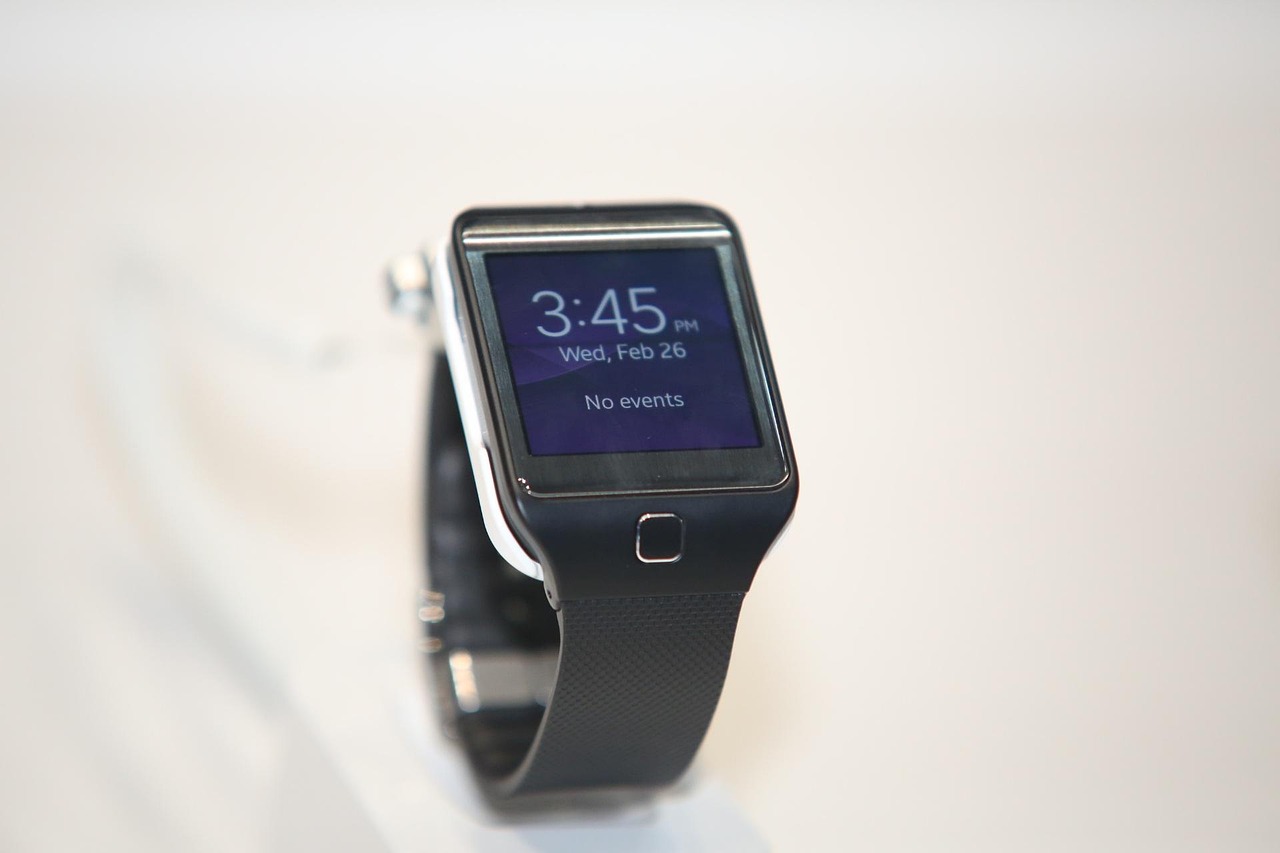

Wearable Technology and Its Impact on Personal Training
The rise of wearable technology has transformed the personal training landscape dramatically. Personal trainers can now harness innovative devices to improve client engagement and performance tracking. Wearables such as fitness trackers and smartwatches have become commonplace. These devices collect vital health data, allowing trainers to tailor workout programs effectively. By integrating data analytics, trainers can customize the fitness journey for each client based on real-time metrics. This technology enhances communication between trainers and clients, facilitating goal setting and accountability. As clients gain insights from their data, motivation increases, which leads to more consistent workout habits. The seamless integration of wearables also encourages clients to take ownership of their fitness journey, enhancing overall satisfaction with personal training services. Furthermore, wearable technology supports the trend of remote training via mobile apps. Trainers can monitor client progress from afar and adjust programs accordingly. This adaptability means trainers can support clients’ fitness goals more efficiently than ever, transforming the personal training experience into something more data-driven and personalized. As the fitness industry evolves, the ability to leverage wearable technology will be crucial for staying ahead in the competitive market.
State of the Wearable Technology Market
The wearable technology market has seen exponential growth, with projections indicating continued expansion. Factors driving this trend include heightened awareness of health and fitness, as well as technological advancements. Today, consumers are more conscious about their personal health, prompting increased interest in wearables that provide insights into activity levels and health metrics. Growth in mobile technology has made smartwatches and fitness bands increasingly affordable and accessible. Enhanced features such as heart rate monitoring, GPS tracking, and sleep analysis have made these devices indispensable for personal training. Trainers can now receive direct feedback from clients’ devices, allowing for on-the-spot adjustments during workouts. The data collected by wearables enables trainers to identify patterns, assess the effectiveness of routines, and provide informed suggestions. Moreover, integration with various fitness apps has broadened the scope of data available, which can help trainers develop more comprehensive fitness plans. In a market where competition is fierce, embracing wearable technology is not just an option; it’s a necessity for personal trainers aiming to provide exceptional services. This approach fosters a more engaging and results-driven training experience for all parties involved.
Utilizing data gained from wearable technology significantly enhances the personal training process. For instance, wearables provide tangible metrics that offer insights into clients’ physiological responses during workouts. By analyzing heart rate data, trainers can determine whether clients are exercising within their optimal zones. This information allows trainers to adjust intensity levels appropriately, maximizing workout efficiency while minimizing the risk of injury. Furthermore, tracking sleep patterns via wearables offers additional insight into recovery processes. Trainers can communicate the importance of rest and recovery tailored to each client’s unique needs. This data-driven approach leads to better client retention rates, as users see the direct value in the tailored modifications made by trainers. Additionally, personal trainers can promote healthy lifestyle changes rooted in empirical data. By emphasizing the role wearables play in promoting behavioral changes, trainers can create long-term fitness habits among clients. Utilization of wearables promotes a collaborative environment where both trainers and clients are engaged in achieving fitness goals. Adopting this technology not only boosts the effectiveness of personal training, but it also cultivates a sense of community among clients, fostering strong relationships based on progress and shared experiences.
Challenges in Integrating Wearable Technology
While wearable technology offers numerous advantages, some challenges remain in its integration into personal training. A primary concern revolves around data privacy and security issues that arise from collecting sensitive health information. Personal trainers must ensure that clients feel comfortable sharing their data and that appropriate measures are in place to protect it. Navigating these privacy concerns is essential for establishing trust between trainers and clients. Another challenge is the potential for misinformation or misinterpretation of data. Trainers must be well-informed about the capabilities and limitations of different devices to avoid making erroneous assumptions. Furthermore, clients may experience frustration with wearables if they cannot accurately track their progress, leading to disengagement. Adapting their methods based on individual preferences and experiences ensures a more personalized approach. Additionally, the cost of incorporating wearables can be a barrier for some trainers or clients. Trainers must balance the need for technology with client budgets and preferences. Communication is key in addressing these challenges while fostering a supportive environment for clients who wish to leverage wearable tech to enhance their fitness journey.
Engagement with wearable technology offers opportunities for personal trainers to expand their service offerings. Providing clients with tech-savvy solutions fosters a deeper, more interactive relationship between clients and trainers. Implementing education sessions on utilizing technology encourages client reliance on tools that optimize their fitness experience. Personal trainers can organize workshops that explore various cool features available on wearables, enhancing awareness of their capabilities. This familiarization empowers clients to make better use of the data generated from wearable devices, further enriching their workout experience. Additionally, trainers may offer assessment sessions where data is reviewed together, developing a more comprehensive understanding of client progress. This shared responsibility promotes accountability and fosters trust, which is essential in the personal training environment. Having a clear discussion about using technology increases engagement and allows clients to give feedback about the effectiveness of training sessions. By prioritizing client education and hands-on experience, trainers can better cater to individual needs and preferences. This commitment to user-friendly education strengthens relationships and encourages an open dialogue about expectations and goals. Together, clients and trainers can navigate the world of wearable tech in a positive and productive manner.
The Future of Personal Training with Wearable Tech
Looking to the future, it is evident that wearable technology will continue influencing the personal training industry significantly. Advancements in artificial intelligence may lead to even smarter devices that could personalize workout recommendations in real-time. This evolution will enable trainers to provide unparalleled service offerings based on dynamic data analysis. As more consumers adopt wearable technology, personal trainers must stay updated with the latest devices and features to provide effective guidance. Striking partnerships with tech companies may also enhance service offerings, allowing trainers to offer unique experiences tailored to clients’ preferences. Innovations in wearable tech will likely expand into areas such as nutrition and psychological well-being, giving trainers a more well-rounded approach to fitness. Moreover, the increasing emphasis on data-driven metrics is expected to evolve how training plans are developed and analyzed. As trainers become more adept at leveraging technology, clients will enjoy a bespoke fitness journey that accurately tracks their journey from start to finish. Adopting these innovations helps trainers establish competitive advantages in a saturated market, as advancements become crucial to attracting and retaining clients over the long term.
Ultimately, the integration of wearable technology into personal training is proving to be revolutionary. Embracing this shift allows trainers to offer enhanced, data-driven services that appeal to tech-savvy clients. Not only does this technology enrich the trainer-client relationship, but it also empowers clients to take charge of their fitness results. Wearables serve as reliable tools for accountability, motivation, and communication, ultimately improving client satisfaction. By staying updated on the latest trends, personal trainers will be better equipped to adapt their services to meet potential clients’ needs and preferences. Prioritizing data-driven approaches will create more engaging training experiences that yield tangible results. As the fitness industry continues evolving, professionals committed to leveraging wearable technology will lead the charge in providing innovative and impactful training. The future of personal training lies in the collaboration between trainers and technology, leading to a more informed and interconnected whole. A successful integration of wearable tech fosters a fitness culture that values personalization, innovation, and continuous improvement. Trainers who harness the power of this technology will be well-positioned to thrive in a rapidly changing fitness landscape.
The wearable technology landscape is an ever-evolving domain that offers numerous possibilities for enhancing personal training. With the introduction of more advanced analytical tools, wearable technology will likely play an indispensable role in shaping the future of the industry. As personal trainers continue to explore fresh avenues for engagement and efficiency, customers can expect to see a wealth of new training methodologies that incorporate these gadgets. The key to success lies in the effective use of data analytics to ensure customers receive tailored programs that reflect their needs. As this sector grows, continuous education and support will become increasingly important for trainers to maximize clients’ experiences. Emphasis on integrating wearable tech into existing fitness regimes will not only appeal to current clients but also draw in a new audience that prioritizes data-driven personal training. Awareness and acceptance of technology will only magnify in the coming years, ultimately leading to improved performance outcomes. Moreover, collaboration and innovation among fitness professionals will facilitate the development of cutting-edge programs that effectively combine traditional training with technology. Ensuring that trainers stay ahead of the trends guarantees a promising future for personal training and overall fitness solutions.