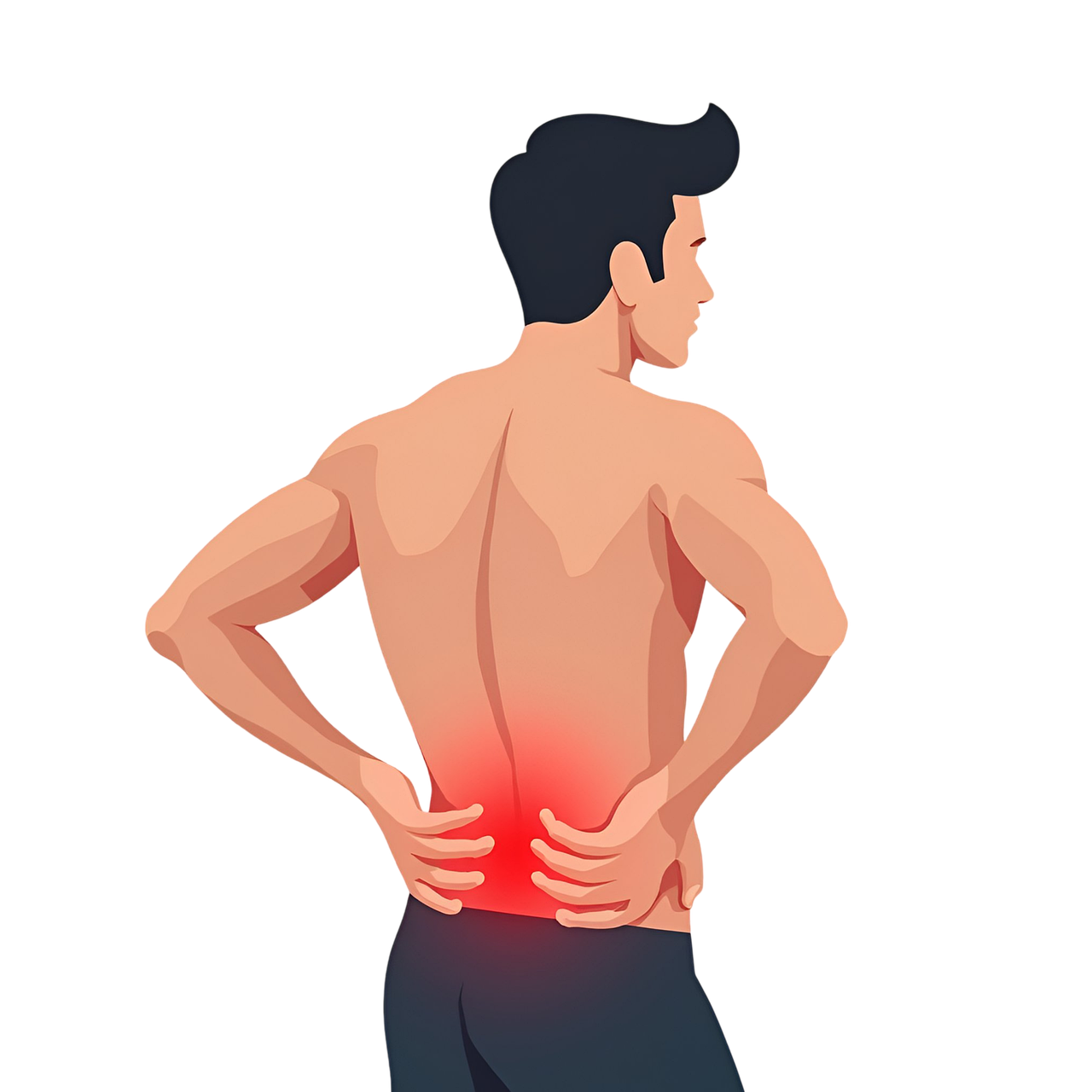

Understanding Muscle Strains: Causes and Symptoms
Muscle strains are common injuries that occur when muscle fibers are overstretched or torn. Several factors contribute to these strains, predominantly caused by excessive force or overexertion during physical activities. Sports are known for increasing the risk of muscle strains, especially activities that require sudden stops, direction changes, or explosive movements. Muscle strains can occur in various contexts, including while exercising, playing sports, or even during daily activities like lifting heavy objects. Individual factors such as age, fitness level, and pre-existing muscle conditions can heighten susceptibility to these strains. Overly tight muscles or those lacking proper warm-up before physical activities reduce flexibility, increasing the likelihood of strains. Acute muscle strains happen suddenly, often with immediate pain, swelling, or bruising in the affected area. Chronic strains, however, develop gradually, often linked to repetitive activities. Prevention focuses on warming up muscles before activities, maintaining proper hydration, and adopting good technique during physical exertion to minimize strain occurrence. Effective recovery after a strain involves rest, ice application, compression, and elevation of the injured muscle to aid healing.
Common Symptoms of Muscle Strains
Identifying symptoms of muscle strains can significantly aid in managing the injury effectively. Common signs include pain, swelling, and bruising around the affected area. Pain may vary from mild to severe, often worsening with movement. Individuals might experience limited flexibility and strength in the strained muscle, making everyday activities challenging. Muscle spasms can occur, tightening the muscle involuntarily and contributing to discomfort. A popping sensation or sound during the injury often indicates a more severe strain. Tenderness in the area is common and can lead to sensitivity during light touch. It is essential to assess the severity of the strain, as symptoms can guide treatment options. In cases of mild strains, conservative approaches such as rest and ice are usually sufficient. Moderate strains may require physical therapy to regain strength and flexibility. Severe strains, particularly if accompanied by severe pain and swelling, may necessitate medical evaluation or imaging studies to rule out complete tears or other injuries. Understanding symptoms can help individuals take preventive measures and seek timely intervention, ensuring optimal recovery and return to activities.
The initial step following a muscle strain is recognizing the importance of immediate care. One effective guideline for treatment is the RICE method, an acronym for Rest, Ice, Compression, and Elevation. Resting the muscle prevents further damage and allows healing to begin. Applying ice reduces swelling and alleviates pain by constricting blood vessels in the affected area, which lasts for about 20 minutes at a time. Compression, using elastic bandages or wraps, assists in minimizing swelling while helping to stabilize the region. Elevation of the injured muscle, particularly when resting, aids in reducing swelling through gravity assistance. Adopting this method within the first 48 hours of sustaining the injury is crucial. After addressing immediate care, rehabilitation exercises can commence. Gentle stretching and strengthening exercises guided by a qualified professional are vital in returning to pre-injury activity levels. Gradually increasing activity intensity helps revive muscle function without causing irritation. Continuing to adhere to recommended protocols post-injury maximizes recovery potential and minimizes the risk of re-injury or chronic strain issues in the future.
Preventing Muscle Strains
Preventing muscle strains involves a comprehensive approach to physical fitness and activity management. One foundational strategy includes proper warm-up exercises before engaging in any strenuous activity. Dynamic stretching helps increase blood flow and muscle flexibility, preparing them for more intense actions. Additionally, maintaining strength and flexibility through regular fitness routines enhances muscle resilience, reducing the risk of strains. Including both strength training and stretching in exercise regimens supports balanced muscle development. Staying hydrated is another crucial factor in muscle health. Dehydration can lead to muscle cramps and increased chances of injury, so individuals should prioritize fluid intake during all activities. Recognizing your limits and gradually easing into new activities can also prevent unexpected strains, particularly when trying new sports or exercises. Use proper techniques when lifting or performing tasks to avoid unnecessary strain on muscles. Seeking guidance from fitness professionals on improving techniques, especially in weightlifting or sports, could be beneficial. Lastly, consider wearing appropriate footwear and protective gear during physical activities to minimize strain risk on muscles.
Understanding your body and knowing when to seek help is critical for managing muscle strains effectively. Ignoring symptoms or pushing through pain may lead to further injury or chronic conditions. Should symptoms persist beyond a few days or worsen, consulting a healthcare professional is recommended. They can perform a thorough assessment and may suggest diagnostic imaging like X-rays or MRIs to determine the extent of the injury. Collaborating with physical therapists can provide customized rehabilitation programs tailored to individual needs. These programs often incorporate specific exercises aimed at safely restoring muscle function and strength. Additionally, they may include strategies to prevent future muscle strains, emphasizing proper warm-up and cooldown techniques. Follow-up appointments could be necessary to monitor recovery progress and make any necessary adjustments to rehabilitation plans. Adopting an informed approach while focusing on gradual progression back to activities allows the body to heal appropriately and prepare for additional physical demands. Making sound decisions based on symptoms could significantly enhance recovery outcomes over time, preventing further complications or chronic issues.
Impact on Daily Life
Muscle strains can significantly impact daily life, from simple tasks to highly active engagements. Individuals may find difficulty performing routine activities such as walking, standing, or even sitting due to discomfort in the affected muscle. Pain can limit mobility, hindering productivity at work or during leisure activities, leading to frustration. Strains can also affect mental well-being, as pain and restrictions alter normal routines and reduce quality of life. Social activities that involve physical participation may be sidelined, further isolating individuals affected by a muscle strain. One notable aspect becomes the psychological impact of injury, as frequent strain occurrences can instill fear or apprehension towards physical activity in the future. Pain management becomes vital in regaining confidence to return to regular activities. Support from friends, family, or professionals can provide encouragement to resume physical activities and manage recovery effectively. By addressing these emotional and social aspects alongside recovery from muscle strains, individuals can gain a holistic approach to healing, leading towards eventual full recovery and return to everyday life.
In conclusion, understanding muscle strains, their causes, symptoms, and prevention methods, is essential for everyone engaging in physical activities. Prioritizing warm-up routines, proper hydration, and gradual progression when approaching new exercises greatly reduces the likelihood of injury. Awareness of symptoms prompts early intervention, supporting effective recovery and minimizing impacts on daily life. By employing the RICE method and consulting professionals for tailored rehabilitation approaches, one can navigate through recovery smoothly. Emphasizing the importance of mental well-being during recuperation aids individuals in regaining confidence in their physical abilities. Ultimately, fostering a proactive approach toward muscle health promotes longevity in physical engagement while successfully preventing strains during activities. This comprehensive understanding empowers individuals to enjoy an active lifestyle without the frequent setbacks caused by muscle-related injuries, leading towards improved health and fitness for life.
Importance of Education and Awareness
Educational outreach concerning muscle strains can enhance public knowledge while prompting preventative measures. Engaging in workshops or community classes focused on safe physical activity practices provides individuals with knowledge on proper techniques for avoiding strains. Utilizing various communication mediums, including online resources, videos, and pamphlets, educates a broader audience on dealing with muscle strains. Instilling awareness of body’s signals allows individuals to recognize when to rest or seek help. Proper education on muscle health’s role in overall fitness underscores the importance of both strength and flexibility training in preventing injuries. Collaborating with local fitness professionals can further encourage collaborations that strengthen community involvement. This involvement cultivates a healthier society dedicated to injury prevention, ensuring individuals understand how to care for their bodies through various stages of physical activity. By prioritizing educational initiatives and promoting effective strategies for dealing with muscle strains, society can steadily reduce related injuries. An informed community will foster a culture emphasizing physical wellness, ultimately benefiting overall health and longevity.