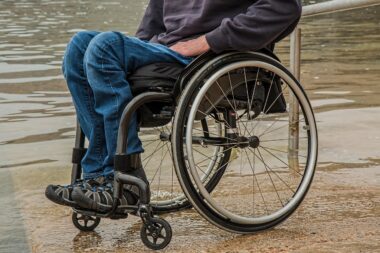

Technology-Assisted Adaptive Fitness for Stroke Survivors
Adaptive fitness programs cater specifically to stroke survivors, helping them regain strength and mobility. Through tailored fitness regimens and assistive technologies, these programs accommodate individual capabilities. Additionally, stroke survivors may experience limitations due to their condition. Using technology effectively enhances their rehabilitation process, catering to diverse needs. Adaptive fitness uses specialized equipment designed to provide support, ensuring safety and promoting independence. Moreover, integrating smart devices into fitness routines allows tracking personal progress seamlessly. Wearable fitness trackers, for example, can monitor heart rates and activity levels, significantly motivating stroke survivors. These tools promote accountability and encourage continued participation in fitness activities. Consideration of both physical and cognitive challenges ensures tailored activities suit each participant’s needs. Key adaptive technologies include therapeutic exercise machines, smart gym equipment, and virtual fitness classes. Through technology, survivors can engage in exercises previously unmanageable, leading to improved physical outcomes. Research supports that regular participation in adaptive fitness improves overall health and psychological well-being. Lastly, community support proves essential in maintaining motivation and ensuring consistent engagement. Overall, technology plays a vital role in adaptive fitness for stroke survivors, fostering empowerment and recovery.
Stroke recovery entails numerous challenges, yet technology-assisted adaptive fitness offers practical solutions. One significant technological advancement includes virtual reality (VR) systems that immerse users in interactive environments. These systems engage survivors mentally and physically, facilitating motor skills recovery through enjoyable exercises. For instance, VR systems allow stroke survivors to simulate real-world tasks without any risks. The fun factor associated with VR encourages consistent training and ensures users remain motivated. Furthermore, various rehabilitation applications provide personalized workout plans designed to target specific rehabilitation goals. Such applications utilize algorithms that adapt exercises based on user feedback and performance metrics. Additionally, these apps track progress and share results with healthcare professionals, fostering collaborative recovery efforts. Another aspect is robotics, which aids in delivering targeted therapy. Robotic devices promote proper movement patterns while reducing the burden on therapists. As these devices progress, they become more affordable and accessible, making them essential for home use. Telehealth services also facilitate remote guidance, allowing patients to connect with therapists without traveling. This modern approach enhances access to necessary services, ultimately improving overall rehabilitation outcomes. Therefore, incorporating technology into the adaptive fitness landscape proves beneficial for stroke survivors’ recovery journeys.
Personalization in adaptive fitness is crucial for stroke survivors aiming for effective rehabilitation through technology. The use of artificial intelligence (AI) can customize exercises to fit survivors’ unique abilities and conditions. AI algorithms analyze various metrics, including physical limitations, preferences, and ongoing progress. Based on this data, adaptive fitness programs can dynamically adapt exercise regimens to ensure optimal results. One such example involves utilizing AI to recommend modifications in resistance or duration depending on user performance. This encourages participation and prevents frustration caused by overly challenging tasks. Moreover, various platforms enable users to interact with fellow stroke survivors, fostering a sense of community and support. Participants share experiences and strategies, enhancing motivation while reducing feelings of isolation. Additionally, group classes can utilize online platforms, allowing users to connect with trainers and peers in real-time. Engaging with a supportive community contributes to improved mental health, minimizing anxiety levels. As motivations fluctuate throughout the recovery journey, ongoing social engagement sustains encouragement. Social fitness apps help manage schedules, encouraging consistent participation in both solitary and group activities. Ultimately, personalizing adaptive fitness through technology enhances resilience, ensuring stroke survivors receive the necessary support for their recovery.
The Role of Wearable Technology
Wearable technology plays a crucial role in adaptive fitness for stroke survivors, tracking various health metrics and facilitating personalized exercise plans. For example, fitness trackers monitor heart rates and movement patterns, offering valuable insights to both users and healthcare providers. By providing data on activity levels and recovery progress, these devices inform necessary adjustments to fitness routines. Moreover, wearables can send reminders for physical therapy sessions and hydration, ensuring that users stay on track in their rehabilitation journey. These seamless integrations encourage consistency, ultimately leading to better rehabilitation outcomes. Additionally, smart clothing equipped with sensors enhances movement assessment, identifying struggles in performing exercises. By pinpointing these areas, rehabilitation specialists can provide focused therapeutic interventions. Furthermore, wearables often connect with mobile applications, synthesizing data to create comprehensive health profiles that inform future fitness plans. As technology develops, it becomes essential to ensure that wearables cater specifically to stroke survivors, addressing potential limitations or barriers they might face. Embracing innovation in wearable technology enhances engagement and support, resulting in improved physical and emotional well-being. To sum up, integrating wearable technology with adaptive fitness provides stroke survivors a powerful tool in their recovery processes.
Incorporating gamification techniques into adaptive fitness enhances user participation for stroke survivors. By transforming therapeutic exercises into fun activities, stroke survivors are likely to feel more motivated and engaged. For instance, gamified exercise apps can reward users with points or achievements for completing certain workout milestones, creating a competitive atmosphere. This approach fosters a sense of accomplishment and drives users toward achievable goals. Additionally, group activities rooted in game-like scenarios promote social interaction and collaboration, which are essential for stroke survivors. These interactions create a sense of camaraderie, aiding in emotional recovery during challenging times. Moreover, using leaderboards fosters friendly competition among users. By visualizing their progress compared to others, survivors may feel inspired to push their limits further. This intrinsic motivation enhances the overall experience while enhancing adherence to prescribed exercises. Furthermore, technology can introduce new physical challenges through obstacle courses or coordination games. Gamified adaptive fitness encourages creativity and engagement, resulting in improved rehabilitation outcomes. Research indicates that stroke survivors participating in gamified programs often report higher satisfaction and commitment levels. Overall, gamification represents a powerful strategy that leverages technology to improve the adaptive fitness experience for stroke survivors.
Accessibility in Technology-Assisted Fitness
Accessibility remains a significant consideration in technology-assisted adaptive fitness for stroke survivors. Technology must cater to diverse physical and cognitive challenges faced by individuals recovering from strokes. Many devices are designed with user-friendly interfaces to accommodate varying levels of mobility and comprehension. For instance, voice-controlled fitness equipment allows stroke survivors to manage their workouts without needing manual adjustments, simplifying the process. Furthermore, large-label displays enhance readability, ensuring users can follow instructions clearly. Inclusive design also accounts for both visual and auditory limitations, providing audio cues alongside visual instructions. Some fitness applications offer customizable settings, enabling users to modify features according to personal preferences. Additionally, creating strategies that enhance accessibility goes beyond physical designs; it encompasses the available resources to support stroke survivors in their journeys. This includes online tutorials and remote consultations that provide personalized assistance without geographical constraints. By fostering accessibility through thoughtful design and resources, technology continues to facilitate better outcomes in adaptive fitness programs. Ultimately, ensuring that adaptive fitness technologies are accessible and adaptable empowers stroke survivors to regain their independence, significantly enhancing their quality of life.
Technology’s role in adaptive fitness for stroke survivors continues to evolve, offering boundless potential for future advancements. As research unfolds, there appears to be a growing emphasis on creating personalized rehabilitation experiences. Upcoming innovations may include wearable therapeutic devices integrated into clothing, providing real-time feedback during exercises. These advancements have the potential to facilitate recovery by promoting correct movements while allowing continued exercise independence. Additionally, impending developments in mobile applications might incorporate artificial intelligence for continuously tailored workouts and nutrition plans, encouraging overall well-being. Enhanced virtual environments could also grow more immersive, creating engaging training environments that simulate daily activities crucial for restoring independence. As technology advances, the integration of various modalities may also emerge. This could combine video calls with robotic assistance for therapists, streamlining dual-care approaches. Another potential area of innovation includes community platforms for survivors to share progress, experiences, and support with each other. Engaging with peers further encourages sustained motivation, building a sense of belonging. To conclude, the future of technology-assisted adaptive fitness for stroke survivors holds remarkable promise in enabling autonomy, facilitating recovery, and enhancing overall quality of life.
Conclusion and Future Prospects
In closing, technology-assisted adaptive fitness for stroke survivors presents an exciting frontier in rehabilitation. The effectiveness of such programs proves invaluable in ongoing recovery journeys, significantly improving physical and emotional well-being. As technology continually evolves, inclusive designs and innovative resources work together to empower stroke survivors. These approaches encourage active participation, create supportive environments, and foster accountability while granting individuals autonomy over their rehabilitation. The importance of community engagement further benefits survivors as they share their stories, encouraging one another. Additionally, advancements in AI, virtual reality, and wearable technologies illuminate pathways for improved accessibility and personalized fitness plans for each participant. Collective efforts from healthcare professionals, technology developers, and survivors alike will drive forward the mission of optimizing recovery experiences. As this aspect of adaptive fitness gains momentum, ensuring it remains accessible to all stroke survivors is crucial. Continued focus on inclusive innovations will further enhance the lives of those impacted by strokes and improve their quality of life. Together, we can create a brighter future where technology significantly contributes to successful rehabilitation efforts for stroke survivors, ultimately inspiring hope and resilience in their journeys.