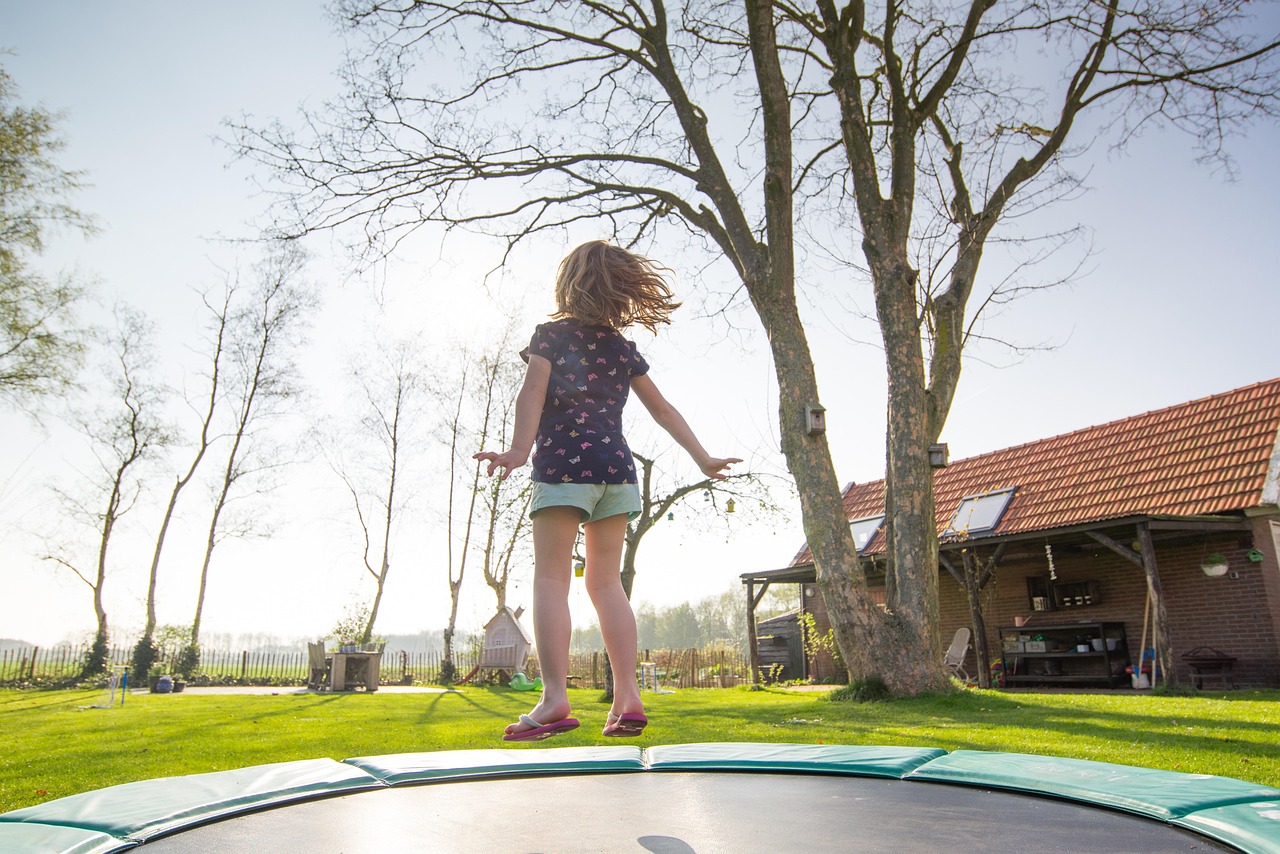

How to Encourage Kids to Enjoy Exercise
Teaching kids about the importance of fitness from a young age is fundamental. Exercise promotes physical health, emotional well-being, and social skills, fostering a well-rounded individual. Parents and caregivers must make significant efforts to ensure children develop positive attitudes toward physical activity. Encouraging children to participate in varied activities that interest them can help. This could include swimming, dancing, team sports, or outdoor adventures. Creating a supportive environment can greatly impact a child’s view of exercise. Incorporate fitness routines into family activities. Motivate them by leading by example; when children see adults actively engaging in physical activities, they are more likely to follow suit. Additionally, ensure that the activities are fun and entertaining. When kids associate exercise with joy, they will be more inclined to participate regularly. Highlight not only physical benefits but also the fun social aspects of being active with peers. Family outings that involve physical challenges, such as hiking or biking, can create memories and reinforce a positive relationship with fitness. When kids enjoy being active, they are more likely to continue these habits into adulthood.
Creating an Engaging Atmosphere
To successfully encourage kids to embrace fitness, parents and caregivers should create an engaging, positive atmosphere around exercise. It’s essential to make fitness accessible by actively engaging children in various physical activities and exploring their preferences. Allow kids to choose their sports and activities, empowering them to feel in control of their fitness journey. Consider their interests, whether it’s martial arts, gymnastics, or group games. Incorporating friends can also enhance their motivation, as children often enjoy doing activities together. Beyond just team sports, emphasize diverse forms of movement, like hiking, rollerblading, or even dance parties in the living room. The goal is to balance fun and fitness to inspire lifelong healthy habits. Use rewards and recognition to celebrate kids’ accomplishments in sports or exercise. This recognition can improve their motivation and self-esteem. Support and encouragement from parents during their endeavors can instill confidence and excitement. Setting fitness goals with your child can make exercise seem less like a chore and more like a journey. This collaborative approach emphasizes strength, resilience, and perseverance, transforming fitness into a fun-filled adventure.
Another effective strategy is to incorporate technology in a positive way. Utilize fitness apps or videos specifically designed for children. Many apps encourage physical activity, offering rewards for achieving goals and making exercise feel like a game. This combination of technology and fitness can appeal to kids’ interests. Video games that require physical movements, such as dance or sports video games, can bridge the gap between playtime and exercise. Keep physical play rules flexible; allow for creativity and exploration rather than strictly structured sessions. This can help loosen the anxiety that comes with competition and performance. Ultimately, the objective should be to create a healthy balance between structured fitness activities and free play. Encourage outdoor play where kids can explore their environments through running, jumping, or playing tag. A well-rounded physical education experience encourages children to develop a sincere love for movement. Provide them with the tools and equipment needed to explore different activities. From jump ropes to bicycles, introducing varied movement patterns helps broaden what fun means. Consistent engagement in various physical activities positively reinforces a healthy, active lifestyle.
The Role of Schools in Promoting Activity
Schools play a vital role in promoting physical fitness among children and teens. A well-integrated physical education program can create a foundation for lifelong fitness habits. Ensure that your child’s school prioritizes physical education and provides diverse options for student engagement. Schools should offer classes that cater to different interests, introducing students to everything from traditional sports to innovative fitness methods like yoga or aerobics. Equally important is a supportive school culture that encourages students to participate. This can include after-school sports teams, fitness clubs, or wellness initiatives promoting healthy lifestyle choices. Encourage your child to join clubs or teams, fostering friendships and teamwork. Schools should also emphasize the significance of regular recess, which allows kids to burn energy and socialize. If resources permit, kids can benefit from special fitness events like field days or activity fairs that showcase various options for fun physical activities. Parents should advocate for more movement throughout the school day, pushing against sedentary trends. Collaborative efforts between teachers, parents, and staff help create environments that promote fitness as an essential part of daily life. It fosters an appreciation for physical activity that lasts beyond the classroom.
Recognizing that children may face barriers to fitness can help resolve challenges. These barriers can include access to facilities, safety concerns, or simple lack of encouragement. Educating families about local resources can help mitigate these issues; community centers, parks, and recreational programs offer various outlets for physical activity. Many communities provide low-cost or free options to keep activities accessible for all families. Support community-organized sports or fitness programs that focus on inclusion, regardless of skill level. In addition to locating family-friendly resources, advocate for safe environments, addressing concerns regarding safety and accessibility. Communities may benefit from organizing safe walking or biking paths that encourage active transportation. Moreover, comprehensive schools highlight health education programs that inform kids about nutrition alongside increasing physical activity levels. Involving parents in these initiatives encourages them to share tips for staying active at home. Meeting families where they are and identifying individual preferences is critical for creating sustainable participation. Encourage parents to engage in physical activities with their kids, providing opportunities to model healthy behaviors. It creates an active family culture that prioritizes fitness and healthy living.
Making Fitness a Social Activity
As social creatures, children thrive in cooperative settings where friendships flourish through shared interests and activities. Turning fitness into a social experience creates lasting connections and enjoyment among peers. Organizing playdates focused on active play or involving friends in family outings can enhance the fun factor of exercise. Consider enrolling your child in group activities like dance classes, sports leagues, or martial arts studios that emphasize teamwork and camaraderie. Such environments allow kids to form bonds through shared experiences, promoting an enduring passion for fitness. Also, consider community workshops or family-oriented classes that focus on engaging physical challenges while building connections. Encourage friendly competitions with peers, such as races or fitness challenges that inspire teamwork. Celebrating accomplishments, regardless of the level, can strengthen friendships while fostering a positive fitness culture. Encouraging your child to find workout buddies can help reduce barriers to participation. This opportunity reinforces a sense of accountability and support during exercise. Give kids the space to explore their strengths while supporting each other. After all, the moral support derived from socializing while being active makes exercise a tremendous reward and enjoyable pastime.
Parents should not underestimate the importance of fun in fitness, as it plays a crucial role in encouraging children to enjoy exercise. Incorporating games into physical activities is an effective strategy. Classic favorites like tag, capture the flag, or obstacle courses can make fitness feel more like play than a workout. Parents can also create their own unique activities tailored to their child’s interests and creativity. Emphasize movement through cues like music or storytelling during exercises. Also, integrate imaginative exercises that engage their minds and bodies. Active scenarios can make a simple walk or jog feel like an exciting expedition. Seeking innovative approaches can reinvigorate children’s interest in exercise. Fun challenges at home, like scavenger hunts or dance-offs, can encourage them to stay active while enjoying family time. Additionally, arranging community challenges or competitions that foster a sense of achievement boosts overall participation. The goal ultimately is to instill a mindset that equates exercise with enjoyment, guiding further generations toward healthy lifestyles. Make every outing or activity a celebration of movement and joy, laying the groundwork for lifelong fitness in an enjoyable way.
As a parent, fostering a positive fitness culture at home can lead to long-lasting habits in children. Consistency, fun, and support are essential elements that build a healthy environment that encourages children toward stability. Start by setting an example as an active role model. If they see you valuing fitness, they will likely mirror those behaviors. Make regular exercise a family affair by scheduling weekly family fitness days. These fun days can include an array of activities, such as riding bikes, hiking, or playing sports together. Involve your kids in setting fitness goals at home and celebrate their success to strengthen motivation. Create a balance between structure and flexibility, giving them ownership of their fitness journey through creative expression. Ensure that they understand fitness doesn’t have to be limited to gym workouts; rather, it can include any form of movement throughout the day, which promotes positive behaviors. Even incorporating household chores as another active participatory avenue can be helpful. For example, dancing while cleaning or making gardening a family project can promote physical fitness while creating bonds.