
Functional Strength for Bone Health in the Aging Population
As we age, maintaining bone density becomes crucial for overall health and mobility. Low bone density increases the risk of osteoporosis, leading to fractures and falls. Engaging in weight-bearing exercises is essential for stimulating bone strength and preventing deterioration. These exercises include activities that force the body to work against gravity, promoting bone formation and density. Examples of weight-bearing exercises are walking, jogging, dancing, and resistance training. Moreover, incorporating functional strength training can enhance balance and coordination, further reducing the risk of falls. To achieve optimal benefits, it’s recommended to engage in these exercises at least three times a week. It is imperative for individuals to consult with healthcare providers to tailor a safe and effective exercise regimen suitable for their abilities. Proper technique and progression help avoid injuries, allowing for a sustainable routine. It’s important for seniors to focus not just on intensity but also on consistency in their exercise routines to maintain muscle mass and promote overall well-being. Along with physical activity, a balanced diet rich in calcium and vitamin D supports bone health effectively.
The Benefits of Weight-Bearing Exercises
Weight-bearing exercises offer numerous benefits, particularly for older adults. First, they help stimulate bone remodeling, which enhances bone density and strength. This process combats the natural decline in bone mass that occurs with aging. Secondly, these exercises also improve balance and stability, reducing the likelihood of falls. Increased stability can significantly improve one’s confidence in daily activities, which is vital for seniors. Moreover, engaging in weight-bearing activities can also enhance muscle strength, further supporting the skeletal system. The combination of improved strength and balance plays a critical role in promoting independence among older adults. In addition, these exercises can boost overall physical functioning, contributing to better performance in daily tasks. They can also positively impact mental health by reducing symptoms of anxiety and depression through the release of endorphins. Exercise in any form fosters social interaction when performed in group settings, leading to improved emotional health. A supportive environment for group workouts encourages regular participation, which is critical. Ultimately, prioritizing weight-bearing exercise routines ensures better quality of life as individuals age, enhancing physical, mental, and emotional well-being.
The role of nutrition in supporting bone health is equally significant. A nutrient-rich diet plays an essential part in enhancing the effectiveness of exercise. Foods rich in calcium and vitamin D are critical for maintaining strong bones. Dairy products, leafy greens, and fortified foods provide calcium, while fatty fish and sunlight exposure contribute to vitamin D levels. Ensuring adequate protein intake is also vital, as proteins are necessary for bone structure and muscle maintenance. Individuals should aim for a balanced diet that meets their nutritional needs and supports their exercise regimen, as this helps create a synergistic effect on bone health. Hydration is an often-overlooked aspect of nutrition, with adequate fluid intake helping maintain optimal performance during physical activities. Senior individuals should monitor their intake of essential vitamins and minerals to support overall health. Regular consultations with healthcare providers can enhance understanding of personal nutritional needs. Also, nutritional supplements should not replace whole foods but can serve as additional support when necessary. Adopting a holistic approach that includes both exercise and nutrition ensures that aging individuals can achieve and maintain stronger bones and overall health.
Functional Exercises for Seniors
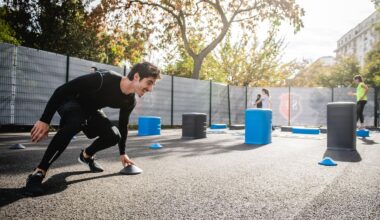
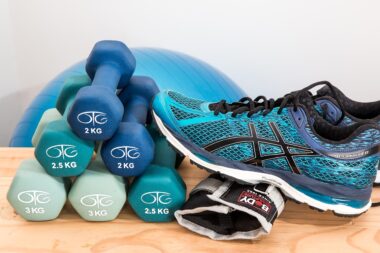
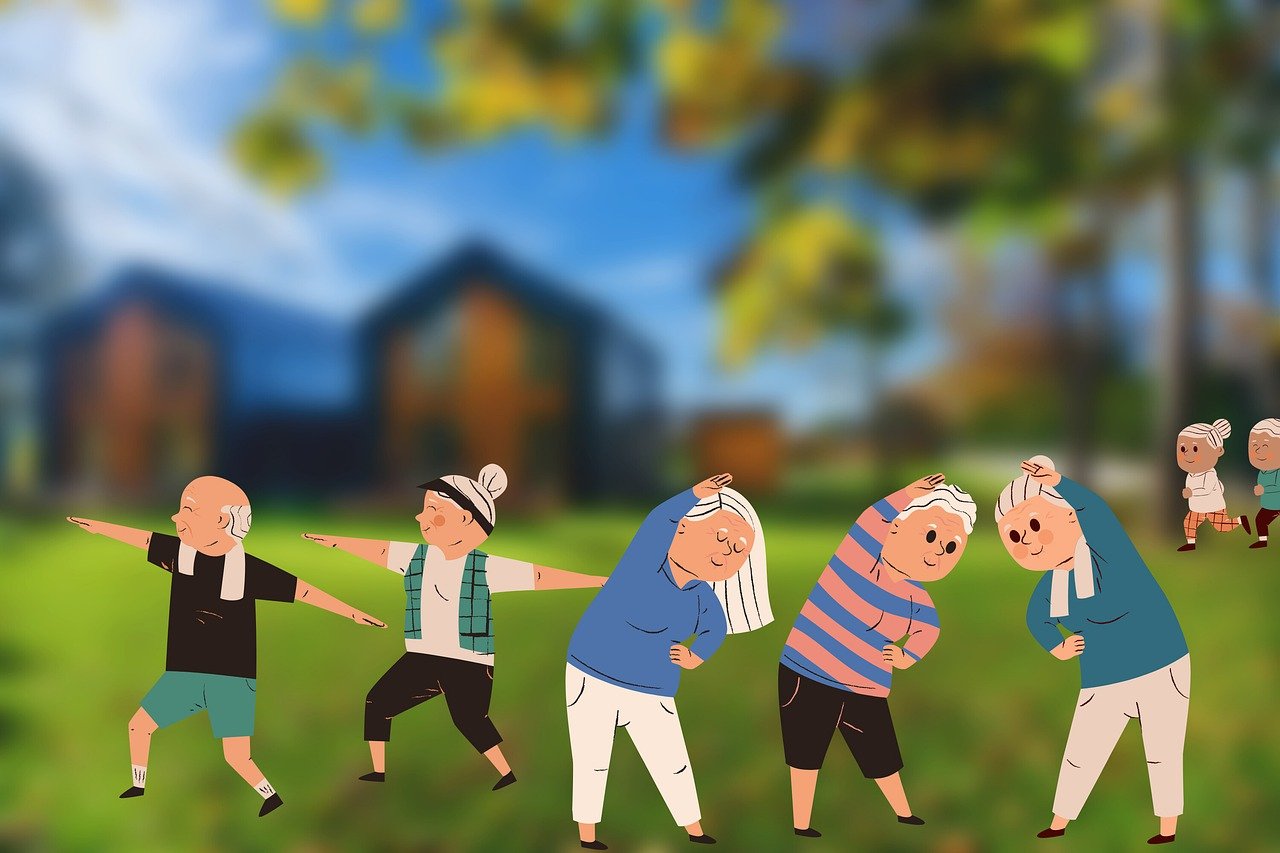
Functional exercises specifically target movements that mimic everyday activities, aiding in improved mobility and strength. These exercises are designed to enhance the ability to perform daily tasks efficiently. For instance, activities such as squats, lunges, and step-ups closely resemble movements needed for getting up from a chair or climbing stairs. Integrating these exercises into a workout routine can develop stability, power, and balance. They can be performed with or without additional weights, depending on individual capabilities. Starting with body weight is advisable for proper conditioning before adding resistance. Moreover, performing these functional exercises in varied environments can enhance balance and adaptability. Incorporating tools like bands, light weights, or stability balls can also add variety and challenge. It’s essential for caregivers and trainers to emphasize proper form and technique to prevent injuries. Group classes focusing on functional strength may build community while encouraging accountability. Working with a trained professional may also allow for personalized modifications that can cater to specific needs and goals. Ultimately, functional exercises should form the foundation of any exercise program for seniors, focusing on enhancing daily life and functional mobility.
In addition to structured exercises, incorporating physical activity throughout daily routines is beneficial. Simple acts, such as taking the stairs instead of the elevator or standing while performing tasks, can significantly contribute to maintaining bone health. Engaging in household chores or gardening provides an excellent method to stay active while completing necessary tasks. These activities help promote bone density without the need for formal exercise sessions. Likewise, participating in recreational activities, such as dancing or walking in the park, can make exercise enjoyable and less daunting. Joining community fitness programs tailored to older adults also offers the benefit of social interaction while staying active. Moreover, the psychological impact of regular physical activity should not be underestimated, as it fosters a sense of purpose and well-being. Establishing routine movement findings should highlight the importance of making activity a part of daily life, rather than a chore. Setting achievable goals may further enhance motivation and adherence to an active lifestyle. Additionally, collaborating with peers encourages accountability, ultimately leading to better performance and outcomes. These strategies promote longevity and ensure optimal bone health, benefiting overall quality of life.
Setting Realistic Goals for Exercise
When embarking on a fitness journey, especially regarding bone health, setting realistic goals ensures sustainable progress. It’s important for individuals to start with manageable objectives that promote a sense of achievement. Individuals should reflect on personal capabilities and limitations and craft goals that align with their lifestyle. For instance, aiming to increase walking duration or frequency each week can be rewarding. Tracking progress allows individuals to visualize improvements, leading to increased motivation. Celebrating small milestones reinforces positive behavior and commitment. Additionally, individuals should be flexible in adjusting goals based on their physical responses to new activities. Engaging with healthcare professionals can provide guidelines to ensure a safe and effective approach. Group settings, such as classes or walking groups, can offer support and camaraderie, making it easier to stick to fitness goals. Furthermore, understanding the importance of rest and recovery is crucial; seniors should allow adequate time for muscles to recover between workouts. Lastly, maintaining open communication with peers and trainers fosters a supportive environment, encouraging ongoing participation in exercise routines for bone health.
The journey toward better bone health does not end with exercise and nutrition; it extends to regular health assessments. Consistent touchpoints with healthcare professionals ensure individuals stay informed about their bone health status. Preventive screenings, such as bone density tests, provide valuable insights into bone health and identify potential risks. Having healthcare providers evaluate exercise programs ensures that activities chosen align with individual health requirements and safety. Additionally, they can offer alternative strategies that integrate seamlessly into the lifestyle. Monitoring progress over time is also essential for maintaining motivation and helping to adjust routines as necessary. Engaging in open discussions about concerns or challenges with healthcare providers empowers individuals in their fitness journey. Regular health assessments should be an integral part of personal health management, ensuring that seniors can adapt positively to any changes. A supportive network of healthcare professionals, trainers, and peers enriches the journey and enhances adherence to a healthy lifestyle. Altogether, focusing on these key areas ultimately leads to improved bone health and sustaining a high quality of life as one ages.
Taking the first step towards improved functional strength for bone health may seem daunting, yet it’s a rewarding endeavor. Prioritizing movement not only benefits bone density but enhances overall well-being. With the right attitude and support systems, aging individuals can thrive through exercise. Embracing weight-bearing and functional exercises while supporting them with proper nutrition lays a solid foundation. By establishing realistic goals and engaging in regular health assessments, the journey becomes manageable and sustainable. Seeking social opportunities through group activities fosters a community spirit, ensuring a lively commitment to health. In conclusion, incorporating these strategies into daily life will contribute to a fulfilling, active lifestyle. Staying proactive about one’s health nurtures resilience against age-related challenges. With a focus on functional strength, seniors can enjoy independence and quality of life for years to come. The benefits derived from building functional strength extend beyond physical health, positively influencing mental and emotional well-being. Remember, aging is not synonymous with decline; it can signify renewed strength and growth. Let the journey toward improved bone health begin today, paving the way for a healthier tomorrow.