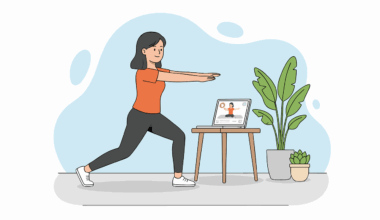

Core Strengthening Programs Designed for Mental Well-being
Core strengthening has long been recognized as vital for physical fitness, but its benefits extend far beyond just athletic performance. Engaging in exercises targeting the core can significantly boost mental health by improving posture, enhancing balance, and reducing the risk of injuries. Many individuals report feeling a more profound connection between their physical and mental states when participating in core-focused routines. Additionally, strong core muscles increase stability, which can translate to greater confidence during daily activities. This approach makes core strengthening an appealing option for those seeking holistic wellness. Integrating core exercises into a daily routine can lead to improved mental clarity and emotional resilience. Participants often experience greater stress relief, contributing to overall well-being. As these sessions foster a connection between body and mind, they encourage mindfulness through movement. Moreover, embracing a regular core program paves the way for increased self-esteem as physical transformations unfold. Practicing core strengthening can serve as a powerful tool in managing anxiety and moods, ultimately leading to a better quality of life. These programs can be customized per individual needs, ensuring accessibility and effectiveness for everyone.
Many core strengthening programs integrate mindfulness practices, providing a dual approach to enhance both physical and mental health. Yoga and Pilates are prime examples of disciplines combining core exercises with breath control and concentration. Participants often find that such complementary practices decrease anxiety and stress levels, fostering a sense of calm and balance. In addition to this, consistency in attending these classes leads to a community feeling, reducing feelings of isolation that can affect mental health. The group dynamics allow participants to share experiences, creating a supportive environment. Mindfulness training helps enhance self-awareness, enabling individuals to identify and manage their thoughts and emotions more effectively. Overall, these classes brim with energy and positivity, encouraging participants to motivate one another toward progress. In some instances, workshops focusing on mental resilience and emotional intelligence are also integrated into core training programs. These workshops emphasize techniques to cultivate a constructive mindset. As the individual works on physical strength, they are simultaneously developing mental skills necessary for overcoming life’s challenges. This unique approach not only strengthens the body but also nurtures the mind, creating a well-rounded health regime.
Benefits of Core Exercises
Core strengthening incorporates flexibility and endurance training, which are essential components for optimal mental wellness. Improved flexibility not only enhances physical agility but also minimizes discomfort and pain often associated with stress or tension. Participants who regularly engage in core strengthening have reported significant reductions in headaches and neck issues, common physical manifestations of mental strain. As flexibility improves, so does one’s ability to perform daily tasks with ease, which contributes positively to one’s mood. Increased endurance allows practitioners to participate in longer workout sessions without fatigue, reinforcing a sense of achievement and boosting overall morale. As physical endurance rises, participants often experience heightened energy levels, making it easier to tackle daily challenges. Along with physical improvements, this surge in energy contributes to better focus, helping individuals concentrate better during work or studies. A strong core also supports better body mechanics, which lessens the risk of injury, granting peace of mind. Enhanced mental clarity through consistent physical activity creates a positive feedback loop, encouraging individuals to maintain their core strength routines. Essentially, developing a strong core translates to enhanced overall life quality, including mental well-being.
Engaging in community-based core strength programs can catalyze mental health improvement while fostering social connections. Group classes create camaraderie and shared experiences among participants, significantly reducing feelings of loneliness. These events become a safe haven where individuals can communicate openly about their struggles related to mental wellness. Group dynamics push individuals to commit and stay accountable to personal fitness goals. Often, participants celebrate their collective achievements, further enhancing morale and group motivation. The shared laughter, encouragement, and diverse experiences create an atmosphere that nurtures personal growth. Moreover, such social gatherings foster resilience and adaptability as participants face and overcome challenges together. These shared experiences can dramatically reduce stigma associated with mental health issues, creating an inclusive environment. Many individuals report feeling less isolated when engaging with others facing similar challenges. Regular meetings support sustained participation in core workouts, ingraining these activities into everyday life. This aspect highlights how community interaction can boost morale and provide essential emotional support. As individuals strengthen their cores physically, they simultaneously cultivate connections that enhance their mental well-being and overall quality of life.
Incorporating Core Strengthening into Daily Life
Integrating core exercises into the daily routine doesn’t necessarily require an elaborate setup. Simple bodyweight exercises such as planks and glute bridges can be performed anywhere, providing flexibility for all lifestyles. These exercises don’t demand specialized equipment, which makes them easily accessible for anyone. Surveying one’s environment for effective workout spaces can encourage a consistent routine. Moreover, allocating just a few minutes daily to core-strengthening exercises can yield substantial benefits over time. These brief sessions contribute to developing a sustainable habit that enhances both physical and mental resilience. Practicing specific exercises during breaks can also boost productivity, as movement increases blood flow and oxygen levels. As energy rises, focus improves, creating a more positive mindset. Designing a core routine around personal schedules allows individuals to customize their programs while still benefiting from consistent practice. It is essential to listen to one’s body, gradually increasing intensity as strength builds. Additionally, apps dedicated to fitness can be an effective resource for tracking progress and maintaining motivation. Adopting a proactive approach towards core strengthening fosters a dedicated mindset, positively impacting mental well-being.
Many individuals have successfully used core strengthening as a strategy for coping with life’s challenges, such as work-related stress or personal setbacks. Building core strength strengthens the body, but it also empowers individuals mentally, creating a sense of accomplishment. Engaging in physical activities releases endorphins, fostering a natural mood lift contributing to positive mental health outcomes. Furthermore, adhering to structured core workouts nurtures discipline, instilling beneficial habits that carry into other life areas. As individuals begin to see the transformations in their physical capabilities, self-esteem grows, resulting in enhanced emotional regulation. Reports suggest that as core strength develops, participants experience a newfound confidence that extends beyond physicality. The mental resilience built through tackling physical challenges transfers to emotional battles, influencing how individuals respond to stressors. Those with improved core strength often feel a greater sense of control over their lives, which is a crucial factor in mental wellness. As a result, incorporating core strengthening into daily routines becomes a multifaceted approach to enhancing life satisfaction and resilience.
Conclusion: Embracing Holistic Wellness
Ultimately, core strengthening programs designed with a focus on mental well-being present a promising avenue for holistic health improvement. By blending physical fitness and mental wellness, individuals can empower themselves, managing stress, anxiety, and emotional challenges better. These programs create synergy among body and mind, allowing practitioners to thrive in their personal and social lives. Evidence increasingly supports the idea that physical health significantly influences mental health. Therefore, emphasizing core strength within fitness routines can lead to substantial improvements in emotional resilience and cognitive function. As awareness grows concerning the correlation between physical fitness and mental health, integrating core exercises into holistic wellness programs remains paramount. Educational institutions, workplaces, and community centers can contribute significantly by promoting accessible core-strengthening initiatives. Engaging individuals in core-focused activities encourages them to adopt healthier, more active lifestyles. It is crucial to dismantle barriers that prevent wider access to wellness programs, ensuring individuals receive support tailored to their needs. Embracing core strengthening leads to a profound array of benefits, fostering a healthier mind and body connection essential for a balanced life.
Transitioning towards complete wellness involves not only physical activities but continuous social and mental engagement. Core strengthening should be viewed as part of a broader lifestyle choice, such as healthy eating and mindfulness practices. Each facet of one’s life interrelates, benefitting overall well-being through synergy. Relationships, community involvement, and social engagement are equally significant factors influencing mental health. Participating in core strengthening classes deepens connections with oneself and others, further enhancing emotional well-being. It facilitates mutual support among attendees while cultivating personal growth. Adopting these programs signifies a commitment to investing time in oneself, regardless of where one may begin. The road to enhanced mental well-being can often require patience and perseverance, but the cumulative benefits can be life-altering. Ultimately, the combination of core strength and mental health practices promotes resilience, stability, and strength—both physically and emotionally. Individuals seeking to embark on this journey must recognize that their collective efforts yield long-term rewards. The empowerment gained through consistent core strengthening positively impacts all aspects of life, leading individuals toward fulfilling emotional and physical experiences.