
Preventing Stress Through Regular Relaxation Practices
Stress has become a common part of modern life, affecting various aspects of our health and well-being. Engaging in regular relaxation practices can significantly help prevent stress from taking root in our lives. When we incorporate relaxation techniques like deep breathing, meditation, or yoga, we provide our minds and bodies with an opportunity to recharge. Moreover, investing time in relaxation allows us to reflect on our feelings and thoughts, contributing to improved mental health. Many individuals find that dedicating even a few minutes each day to relaxation can lead to clearer thinking and better decision-making. Additionally, these practices help lower anxiety levels, thereby improving our overall emotional resilience. Creating a daily routine that includes relaxation can yield profound benefits, helping prevent chronic stress, improving interpersonal relations, and enhancing our focus. In this article, we will explore various relaxation techniques that can be integrated into daily life, helping readers appreciate the significance of winding down and focusing on their inner peace. Ultimately, learning to relax should become a priority for everyone seeking balance in a demanding world.
Understanding relaxation techniques is crucial for effectively managing stress. One of the most popular methods is deep breathing exercises. Deep breathing not only calms the mind but also lowers blood pressure, which is beneficial for overall health. To practice deep breathing, individuals should sit or lie comfortably, inhaling slowly through the nose and exhaling through the mouth. Making a consistent effort with this exercise can lead to significant results over time. Other practices, such as progressive muscle relaxation, emphasize tension and release, aiding individuals in recognizing the differences between stress and relaxation. Yoga and tai chi are also excellent choices, combining physical movement with mental focus and awareness. Regular participation in these activities leads to improved flexibility, strength, and balance while also promoting peace of mind. Additionally, incorporating nature walk sessions into one’s daily routine helps reconnect individuals with the environment, reducing stress significantly. Allocating time for such practices is essential for maintaining emotional and physical wellbeing. Ultimately, the journey towards stress prevention should include exploring and committing to relaxing techniques tailored to individual preferences and lifestyles.
The Role of Mindfulness in Stress Prevention
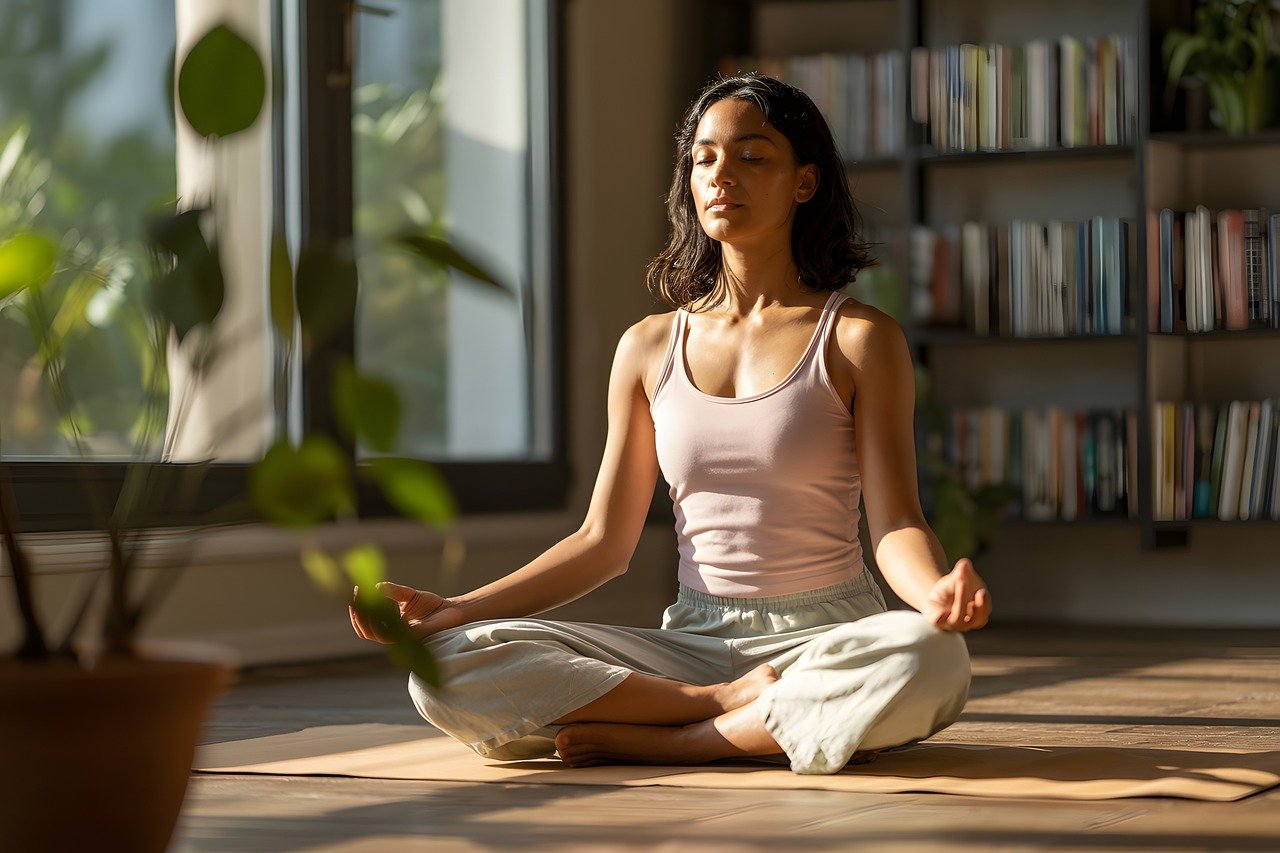
Mindfulness has gained popularity as an effective method of stress management. This practice encourages individuals to stay present and immersed in their current experiences. By focusing on the present moment, we can prevent ourselves from getting overwhelmed by thoughts about the past or future. Techniques such as meditation facilitate mindfulness, helping to quiet a busy mind and allowing individuals to observe their thoughts without judgment. A basic mindfulness meditation involves sitting in a comfortable position, closing one’s eyes, and concentrating on the breath. This practice can be adjusted to fit each person’s preferences, whether through guided sessions or self-directed approaches. By regularly engaging in mindfulness techniques, such as body scans or mindful eating, individuals are better equipped to handle challenges, making them more resilient under pressure. When practiced consistently, mindfulness can alter brain function, leading to reduced feelings of anxiety and a greater sense of well-being. Integrating mindfulness into daily routines serves as a proactive approach to stress management and is a valuable tool for promoting mental clarity and emotional stability.
Another vital component in preventing stress is developing a healthy routine. Establishing a daily schedule that includes specific times for relaxation practices promotes consistency. Having a structured approach makes it easier to prioritize relaxation and avoid getting lost in a busy agenda. Individuals should consider evaluating their daily commitments and identifying areas where they can carve out time for relaxation. Whether it be through yoga, reading, or spending time with loved ones, ensuring there is a designated period for relaxation helps create balance in life. It’s crucial to emphasize the importance of maintaining boundaries when it comes to work and personal life. Setting aside time to unwind after work or engaging in leisurely activities is essential for mental rejuvenation. Better yet, the incorporation of relaxation practices with hobbies establishes a more holistic lifestyle. Encourage incorporating small breaks throughout the day to conduct brief relaxation activities, enhancing overall productivity and focus when returning to essential tasks. Balancing work and relaxation, thus, provides immense benefits, allowing individuals to enjoy both aspects of their lives without feeling overwhelmed.
Social Support and Relaxation
Building and maintaining a solid social support system is essential for stress prevention. Interacting with friends, family, and loved ones allows individuals to express their feelings, share experiences, and reduce feelings of isolation. Engaging in social activities can provide an excellent distraction from everyday stressors, fostering a sense of belonging and community. Finding opportunities for socializing, whether through clubs, classes, or volunteer opportunities, can significantly contribute to a happier and less stressful life. In times of stress, knowing that someone is there to listen can be comforting and reassuring. It is also essential to engage with others in relaxing environments, where the focus is less on tasks and more on enjoyment. These interactions create opportunities to practice relaxation techniques collectively, deepening connections and promoting mutual support. Additionally, forming a group around relaxation activities, such as yoga classes or meditation groups, can enhance commitment and accountability. By encouraging shared experiences, individuals find it easier to integrate relaxation into their lives consistently, ultimately building a comprehensive approach to stress prevention.
Incorporating creativity into relaxation practices can be highly effective in managing stress. Engaging in artistic expressions, such as painting, writing, or crafting, provides an excellent outlet for emotions and can be therapeutic. These activities encourage individuals to channel feelings, which may otherwise contribute to stress. By taking time to engage in creative projects, individuals also tap into the joy of creation, enhancing their emotional well-being. Additionally, the focus required when engaging in these creative pursuits allows one to tune out distractions and immerse fully in the experience. Setting aside regular time for creative activities can offer the same benefits as traditional relaxation techniques but with a personal touch. It is essential to remember that there is no right or wrong way to create; the primary goal is to enjoy the process. This exploration can extend to various activities catering to different interests. Ultimately, engaging in creativity as a form of relaxation can help individuals establish a personal connection with their emotions while serving as a powerful tool for stress prevention and emotional regulation.
Conclusion: Prioritizing Relaxation to Prevent Stress
In conclusion, regular relaxation practices are fundamental in preventing stress and promoting overall well-being. By adopting various techniques, such as mindfulness, deep breathing, and creative activities, individuals can create effective approaches to manage their stress levels. The key to success lies in consistency and recognizing the importance of making relaxation a priority in everyday life. Cultivating a supportive social network strengthens the overall impact of relaxation practices. A structured daily routine that intentionally allocates time for relaxation fosters balance and resilience against stressors. Everyone’s path towards stress management is unique, requiring exploration and integration of different techniques tailored to individual preferences. Given the fast-paced nature of modern society, it is more important than ever to engage in practices that enhance mental health and improve overall quality of life. By prioritizing relaxation, we create a nurturing space that enables us to restore our minds and bodies, ultimately reducing stress and increasing happiness. Remember, small steps lead to significant changes, and incorporating relaxation practices into daily routines can make a lasting difference in our stress levels and mental health.
Embracing relaxation practices will allow individuals to understand themselves better, fostering emotional resilience. Regularly engaging with relaxation activities not only promotes personal well-being but also allows us to better support those around us. As we learn to manage our stress, we become better equipped to navigate life’s challenges and foster healthy relationships. Ultimately, prioritizing relaxation fosters a happier, healthier way of life. So, let us embark on this journey toward better mental health through consistent and enriching relaxation practices.