
Strategies for Training Yourself to Run with Proper Form
Running with proper form is crucial for performance improvement and injury prevention. Many runners overlook their technique, which can lead to trouble over time. To train yourself effectively, focus on a few key aspects of running form, including stance, foot placement, and posture. Once you identify your areas for improvement, implement conscious practice into your training regimen. Analyze your current running habits and seek guidance from a running coach or experienced runner. They can provide valuable feedback that may be hard to see on your own. Remember, small changes can lead to significant benefits. Consider incorporating drills that emphasize proper foot placement. This can help you develop a natural and efficient running style. Consistency is key, so integrate these drills into your regular training. As you progress, continuously evaluate your form. Use video analysis if possible, as this will offer clarity on your technique. Stay committed to refining your form, focusing not only on performance but also on the enjoyment of running. Proper technique will lead to a more satisfying experience, allowing you to build endurance for your marathon goals.
Understanding the Importance of Posture
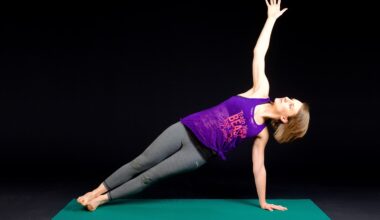
Your running posture significantly influences your efficiency and comfort during runs. Maintaining an upright position ensures optimal lung capacity for breath management. Keep your head aligned over your shoulders, with your gaze directed forward. Avoid leaning too far back or hunching over, as these habits can lead to strain and fatigue. Strengthening your core is essential for maintaining good posture while running. Focus on exercises that build endurance in your core muscles, which include sit-ups, planks, and stability ball workouts. A strong core not only stabilizes your torso but also allows your legs to move freely and efficiently. Additionally, your arms play a critical role in your running form. Practice keeping your arms bent at about a 90-degree angle and swinging them back and forth to enhance momentum. Make sure your shoulders remain relaxed and your hands unclenched. Each component of your body works together during runs, so fine-tuning your posture will support your overall technique. Seek feedback from peers or coaches during training to ensure proper alignment and movement, ultimately leading to a more enjoyable running experience.
Foot placement matters, as it directly influences your stride and speed. Focus on landing softly on your midfoot instead of your heels to reduce impact and improve efficiency. Many runners inadvertently overstride or land with their feet too far in front of their bodies, increasing the risk of injury. Adjusting your stride will help you maintain momentum while running. Work on reducing the ground contact time by improving your cadence, which is the number of steps you take per minute. Aim for a cadence of around 180 steps per minute, as it is often associated with optimal running efficiency. To enhance your footwork, incorporate ladder drills and agility exercises into your training. These activities can improve your foot coordination and speed. Additionally, the type of footwear you choose for running can profoundly impact your form. Invest in running shoes that provide appropriate support and cushioning for your gait type. Regularly replace worn-out shoes to prevent injuries resulting from inadequate support. Prioritize your foot placement and footwear as part of your running strategy to optimize your performance and enhance your marathon training.
The Role of Breathing Techniques
Breathing techniques can also optimize your running form. By learning to control your breathing, you improve oxygen intake, which boosts endurance and performance. Focus on establishing a rhythmic breathing pattern that aligns with your stride. For instance, a common approach is the 3:2 ratio, which involves inhaling for three steps and exhaling for two. This method helps regulate airflow, preventing muscle fatigue during long runs. Additionally, use your diaphragm while breathing instead of shallow chest breathing. Diaphragmatic breathing enhances oxygen delivery and encourages relaxation, aiding overall performance. It allows you to sustain your effort longer without feeling winded. To practice this technique, try breathing exercises such as deep inhalation and slow exhalation, which can also help mitigate anxiety before a race. Pay attention to your breath during workouts and make adjustments as necessary to ensure you’re utilizing proper techniques. Effective breathing contributes to maintaining composure and focus, particularly during challenging segments of your training. Cultivating good breathing techniques will further enable you to achieve your marathon goals while maintaining proper form.
The mental aspect of running should not be overlooked. Developing a positive mindset can make a significant difference in your performance and training consistency. Set clear and realistic goals for improving your form and overall technique. Celebrate small victories along the way, as they can motivate you to remain committed to your training. Visualization is another powerful technique used by many successful athletes. Imagine yourself running with perfect form, feeling strong and confident. This mental rehearsal can help you make positive changes in your running. Incorporate mindfulness practices into your routine, allowing you to cultivate awareness of your body and form. Pay attention to how you feel during runs and identify areas needing adjustment. Furthermore, consider running in varied environments to boost your confidence and adaptability. Trail running, for example, challenges your form as you navigate different terrains. Engage with a running community, as their support can help keep you accountable and motivated. Surrounding yourself with others who share your goals improves your mindset. Implement these mental strategies to enhance your training experience while focusing on proper running form.
Recovery and Rest for Improved Technique
Proper recovery is key to improving your running form and technique. Allowing your body sufficient time to adapt and heal from your workouts minimizes the risk of injuries stemming from overtraining. Active recovery days can significantly enhance your training regimen. Incorporate low-impact activities such as cycling or swimming to maintain fitness levels without intensifying strain. Focus on stretching and foam rolling, which helps relieve muscle tightness and promote flexibility. Moreover, adequate sleep is vital to your overall performance. Strive for 7-9 hours of restorative sleep each night, enabling your body to recover effectively. Nutrition also plays a significant role; fuel your body with a balanced diet rich in carbohydrates, protein, and healthy fats. This will ensure optimal muscle recovery and energy for your next run. Hydration is equally important; drink plenty of water throughout the day to stave off fatigue. Consult with a sports dietitian if needed to create a nutrition plan tailored to your training. Ultimately, prioritizing recovery will give your body the necessary support to achieve lasting improvements in your running technique.
Finally, consistency will be your greatest ally in developing a strong running form. Make a commitment to practice these strategies daily and integrate them into every training session. Keeping a training log can help you track your progress and identify areas for improvement over time. Regularly reassess your technique to ensure you are implementing changes effectively. Be patient with yourself; building muscle memory takes time. Join a group of like-minded runners who can provide encouragement and share tips for improving form. At times, you may stumble during your training; consider this part of the learning process. Celebrate your achievements, no matter how small, as they build confidence in your abilities. Know that refining your running form is a continuous journey rather than a destination. Engage with various resources—books, videos, or workshops—that can help you deepen your understanding of running form. As you familiarize yourself with effective strategies and techniques, your skills and endurance will develop. A focus on maintaining proper running form will not only enhance your marathon preparation but also create a fulfilling and enjoyable running experience.