
Bodyweight Core Workouts for Runners and Cyclists
For runners and cyclists, a strong core is essential for improved performance and injury prevention. Core strength is not just about aesthetics; it plays a critical role in stabilizing your body while you move. Engaging in bodyweight core workouts can help enhance endurance, stability, and balance, all of which are crucial for athletes. Whether you are running on a trail or cycling along a road, your core muscles support your spine and limbs. By incorporating effective bodyweight exercises into your routine, you can build a more resilient core without the need for gym equipment. This means you can perform these exercises virtually anywhere, making it convenient for your busy schedule. Begin by exploring various bodyweight exercises such as planks, mountain climbers, and hollow holds. This article will guide you through a series of targeted workouts designed specifically for runners and cyclists, helping you achieve a stronger core. Consistency is key, so aim to integrate these workouts at least three times per week to see continued results. Your journey toward core strength starts here.
The Importance of Core Strength for Athletes
A stronger core translates into better performance for runners and cyclists. Key benefits of core strengthening include enhanced posture, improved balance, and reduced risk of lower back pain. Core exercises improve your body’s ability to generate power through the hips, which is vital during running and cycling. Efficient power transfer allows for optimal speed with less effort. Additionally, a stable core supports effective breathing, enhancing oxygen delivery during workouts and races. Bodyweight exercises specifically target the abdominal, oblique, and lower back muscles, which significantly contribute to overall core strength. Strengthening these areas helps maintain proper form, especially when fatigue sets in. Good form prevents injuries commonly faced by cyclists, such as knee and hip issues, while allowing runners to avoid strains and sprains. Moreover, mastering bodyweight movements can lead to better performance in high-intensity workouts. Ensuring your core muscles are engaged while running or cycling can create better alignment throughout the body. Ultimately, this leads to a more efficient workout and improved race outcomes.
Incorporating bodyweight core workouts into your training can be both effective and rewarding. Begin with the fundamental exercise: the plank. This classic movement engages multiple muscle groups, focusing primarily on the abdominal area. To perform a basic plank, start on your forearms and toes, maintaining a straight line from your head to your heels. Ensure that your core remains tight, and hold this position for as long as you can, gradually increasing your time as strength improves. Aim for sets of 30 seconds to 1 minute. Following the plank, introduce variations such as side planks to engage your oblique muscles further. Another effective exercise is the mountain climber, which can help increase your heart rate while strengthening your core. Start in a high plank position and alternate bringing your knees towards your chest. This dynamic movement not only targets the core but also enhances stability and cardiovascular fitness. By incorporating these foundational exercises, you will create a solid base for further enhancing core strength tailored for endurance activities. Keep your performance goals in mind as you progress.
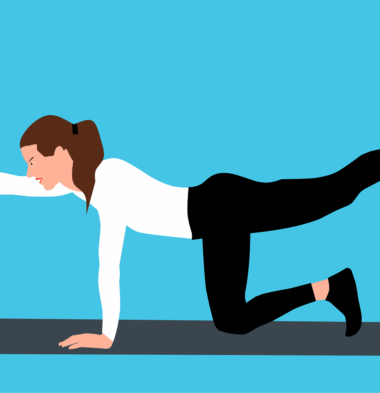
As you advance in your bodyweight exercises, consider integrating dynamic movements that challenge your balance and coordination. The bird-dog exercise is fantastic for this purpose; it requires you to extend one arm and opposite leg while on your hands and knees, promoting stability and core engagement. Practicing this not only builds strength but enhances your coordination, which is vital when navigating varied terrains as a runner or cyclist. To perform the bird-dog, focus on keeping your hips level and engaging your core, holding the extended position before alternating sides. Another great exercise is the hollow hold, where you lie on your back and lift your arms and legs off the ground, engaging your core to maintain an arched position. Start with shorter holds and gradually increase your time. Pair these movements with other lower-body exercises, such as squats or lunges, to elevate your overall workout routine. Just remember to maintain proper form to maximize effectiveness. These exercises will benefit your core strength while enhancing your athletic performance on the trails or roads.
Sample Bodyweight Core Routine
To create an efficient bodyweight core workout tailored for runners and cyclists, aim to establish a routine consisting of various exercises that target different muscle groups. A sample routine may include the following exercises: start with a plank hold (30 seconds), then proceed to 15 mountain climber repetitions, followed by 10 bird-dogs per side. Continue with 30 seconds of hollow holds, and finish with 15 side planks per side. Incorporating these exercises into a circuit format enhances not only strength but also endurance. Repeat this circuit three times, aiming for minimal rest between exercises to keep your heart rate elevated. This routine can seamlessly fit into your existing training schedule, whether as a standalone workout or a warm-up for running or cycling sessions. Ensure you maintain proper hydration and nutrition to support your training. As you progress over weeks, challenge yourself by increasing repetitions, extending the duration of each hold, or adding variations to each exercise. These simple yet effective movements will significantly strengthen your core while providing essential support for your endurance activities.
Listening to your body during workouts is crucial for progressing safely. Incorporate recovery days to allow your core muscles to repair and grow stronger. Engage in light stretching or yoga sessions to complement your workouts, enhancing flexibility and overall body function. Pay attention to how your body responds to different exercises, and adjust your routine accordingly to accommodate for fatigue or strain. Consider adding core workouts post-run or post-ride to maximize benefits while your body is still warmed up. This allows for a seamless transition between endurance training and core strengthening exercises, ensuring that both aspects contribute to your overall performance. As your core strength improves, you may notice enhanced stability during long distance runs or grueling cycling sessions, translating into more efficient movement patterns. Additionally, maintaining a balanced diet rich in protein will support muscle repair and growth as you incorporate these exercises. Prioritize sleep and hydration alongside training to optimize recovery and performance. Adapting your core workouts to your unique training goals will impart lasting benefits long term.
Tracking Your Progress and Adjustments
Tracking your progress in core strength is essential for continued improvement. Start by documenting your workout routines, recording hold times, and repetitions for each exercise. This allows you to visualize growth over time and set realistic goals. Use a journal or a fitness app to log this data consistently. Periodically reassess your abilities; for instance, every 4-6 weeks, test your plank hold time and see how many mountain climbers you can complete within a specific timeframe. This will help you pinpoint where you excel and determine areas that may require more focus. If your recorded achievements begin to plateau, it may be time to increase the difficulty by adding variations or incorporating weights. Consider hydrating appropriately before working out to maintain optimal performance; this enhances your endurance and strength-training capacity. Lastly, remember that core strengthening is a journey, and acknowledging improvements, no matter how small, can be highly motivating. This will keep you focused on your training as you continue to build resilience in your core, thus benefiting your overall performance as a dedicated runner or cyclist.
In conclusion, incorporating bodyweight core workouts into your training plan is imperative for runners and cyclists looking to enhance their performance. A strong core leads to improved posture, stability, and injury prevention, all contributing to your athletic success. With the convenience of bodyweight exercises, you can effortlessly integrate these movements anywhere and at any time, ensuring consistency. Whether you are just beginning or looking to refine your core strength, the variety of exercises outlined in this article provides effective options for every fitness level. Remember, consistency is the most important factor in achieving your goals, so aim to perform these workouts regularly. As you progress, continue to track your improvements and adapt your routine to meet your changing needs. Prioritize your recovery days, and remain mindful of your body’s cues to ensure your safety and long-term success. Ultimately, building a solid core through bodyweight workouts will pave the way for better running and cycling performance, allowing you to tackle longer distances and achieve personal bests. Stay committed to your training, and enjoy the journey toward a stronger, more resilient core status in your athletic pursuits.