
Pilates to Strengthen the Core After Injury: What You Need to Know
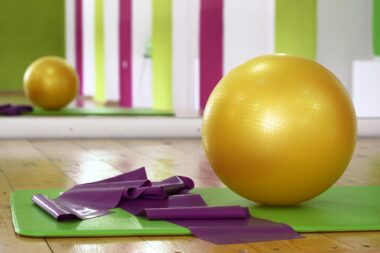
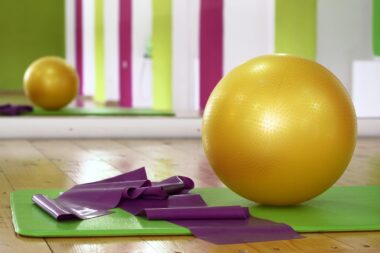
Pilates is an effective method for rehabilitating core strength, especially after injury. This practice emphasizes controlled movements and proper alignment, making it suitable for those seeking recovery. Before engaging in Pilates, it’s essential to consult a healthcare professional to ensure it’s safe and appropriate for your specific situation. A certified instructor can guide you through exercises tailored to your recovery needs. The core includes abdominal muscles, lower back, hips, and pelvic floor, which are crucial for stability and overall strength. When these areas are weak due to injury, Pilates can be beneficial. The low-impact nature of Pilates reduces stress on joints while promoting muscle engagement. Tools like resistance bands and small balls can enhance the effectiveness of exercises. Each movement in Pilates is designed to build strength gradually, helping to avoid further injuries. Focus on breathing techniques and proper form to maximize benefits. Consistency is key, so incorporate Pilates into your routine three to four times per week. This commitment can significantly aid in restoring core strength and stability after an injury.
Understanding the Core and Its Importance
The core functions as the body’s stability center, supporting overall strength and balance. Core strength is not only about visible abs but involves various muscles working together. These muscles help maintain posture and protect the spine during everyday activities. A strong core helps improve mobility and is essential for athletes and non-athletes alike. Injuries can weaken these muscles, leading to instability and chronic pain. Incorporating Pilates into your rehabilitation can enhance muscle cooperation and function. Pilates focuses on strengthening the deep abdominal muscles, providing a stable foundation for all movements. Engaging these muscles helps alleviate pressure on the spine, facilitating better posture. Pilates also emphasizes flexibility and coordination, further benefiting your recovery. Patients dealing with core weakness post-injury often struggle with simple movements. By progressively rebuilding core strength through Pilates, one can regain confidence in their physical abilities. Consider starting with beginner-level exercises that don’t strain the injured area. This gentle approach allows for gradual improvement while minimizing the risk of re-injury. Listen to your body; adjust as needed to optimize your recovery journey.
Start with basics by assessing your current physical condition; acknowledge pain or limitations. It’s vital to understand your injury’s influence on your core strength. Recognize specific areas that require focus during your sessions. Pilates offers a variety of exercises suitable for all levels, allowing personalization according to individual needs. Many practitioners enjoy the mindfulness aspect of Pilates, encouraging a connection between mind and body, essential during recovery. Mastering foundational movements ensures safety while targeting the correct muscle groups. Coordination between breath and movement enhances the practice, promoting focus and intentionality. Opt for slow, controlled movements to foster muscle engagement without overexerting. Keeping a regular check on your progress can help adjust your routine optimally. Being patient during recovery is essential; strength rebuilds over time. Incorporating light resistance can help gradually challenge the core. Exercises like the ‘pelvic curl’ and ‘shoulder bridge’ activate core muscles effectively without extensive strain. Ensure you maintain a neutral spine during these movements for proper alignment. Following a well-structured Pilates regimen will support muscle rebuilding at a safe pace. Adapting as needed promotes a successful rehabilitation experience.
Starting Your Pilates Journey
As you embark on your Pilates journey post-injury, it’s advisable to seek professional guidance for optimum results. Engaging a certified instructor ensures a personalized approach tailored to your condition. They can provide insights into modifying exercises to adhere to your physical limitations effectively. Begin your sessions in a comfortable environment, offering a focus on intentional movements. Your instructor will likely emphasize quality of movement over quantity, reinforcing the importance of doing exercises correctly. Progress gradually, allowing your body to adjust before moving to advanced techniques. Simple mat exercises can serve as an excellent starting point, focusing on alignment and breathing. Utilizing props like the Pilates ring can offer added resistance or assistance as required. Maintain a journal to track your progress, noting pain levels, mobility improvements, and overall well-being. This feedback can help your instructor fine-tune your approach, ensuring every session is productive. Engage in regular communication regarding how you feel during and after exercises to create the best plan for your recovery. Stay committed; consistency fosters growth and positively influences both strength and confidence.
Throughout your Pilates practice, you may encounter challenges and triumphs. Understand that each person’s recovery journey is unique and may not mirror others. Embrace setbacks as opportunities for learning about your body’s limits and strengths. Gradually, you’ll notice improvements in both strength and flexibility, rewriting the narrative of your post-injury experience. Focus on quality over quantity; performing fewer repetitions with precision can yield significant benefits. It’s crucial to approach each session with a positive mindset, allowing for personal growth. Incorporate mindfulness techniques to enhance focus during workouts, aiding in a more enriching experience. Celebrate small victories, whether it’s achieving a new movement or simply feeling stronger. This enthusiasm can motivate you to continue on days when you might feel discouraged. Surrounding yourself with a supportive community can also make a considerable difference. Others on a similar journey may offer encouragement, share tips, and understand your challenges. Engaging in group classes can foster camaraderie while reinforcing commitment. Remember that Pilates is a lifelong journey for many, continuing to empower your body long after recovery.
Long-term Benefits of Consistent Practice
Regular Pilates practice post-injury yields not only immediate rehabilitation benefits but long-term health advantages. Engaging in core-strengthening routines helps maintain ongoing strength and flexibility even after achieving recovery. Continued practice encourages sustained engagement of stabilizing muscles essential for everyday movements. Many practitioners notice improved posture and less back pain, bolstering overall comfort. The principles learned through Pilates—such as mindful movement, body awareness, and breath coordination—become ingrained in daily life. As you progress, consider incorporating more advanced movements to challenge your body safely. Advanced practices maintain interest while pushing boundaries, ensuring continual strength building. Staying connected to your instructor or practicing in group settings encourages accountability and motivation. Exploring additional aspects of wellness, such as nutrition and mental well-being, complements your physical practice. Embracing a holistic approach can enhance recovery and sustain long-term health. Integrating Pilates into a broader fitness routine can also yield a more well-rounded regimen. Remember that health is a journey, and committing to your growth fosters resilience. Appreciate the time invested in nurturing your body, as this foundational strength creates lasting impacts on your life.
In conclusion, Pilates serves as an invaluable tool for rebuilding core strength post-injury. The method’s focus on alignment, stability, and controlled movements makes it perfect for rehabilitation. By combining physical strength with mindfulness, participants learn to foster a positive relationship with their bodies. Progress may feel slow at times, but patience in this process is crucial. With resilience and perseverance, you will gradually witness the fruits of your hard work. Remember the essence of Pilates encompasses each person’s individual experience, emphasizing enjoyment alongside recovery. Establish a consistent routine, prioritize your well-being, and remain engaged with instructors for optimal guidance. Continuing your journey results in improved strength and greater awareness of your body’s capabilities. Embrace each stage of your recovery, knowing it is an integral part of your Pilates experience. Ultimately, the goal is to achieve a strong core that supports you in all endeavors, both on and off the mat. Celebrate your journey thus far and appreciate the transformations this practice offers, leading to lasting health benefits. Feel empowered in every step of your rehabilitation as you grow stronger and more capable.
Engaging in Pilates offers profound insights into strengthening your core. Whether recovering from an injury or seeking to enhance your fitness, the principles of Pilates can be transformative. Each session provides an opportunity to connect, strengthen, and heal your body in a supportive environment.